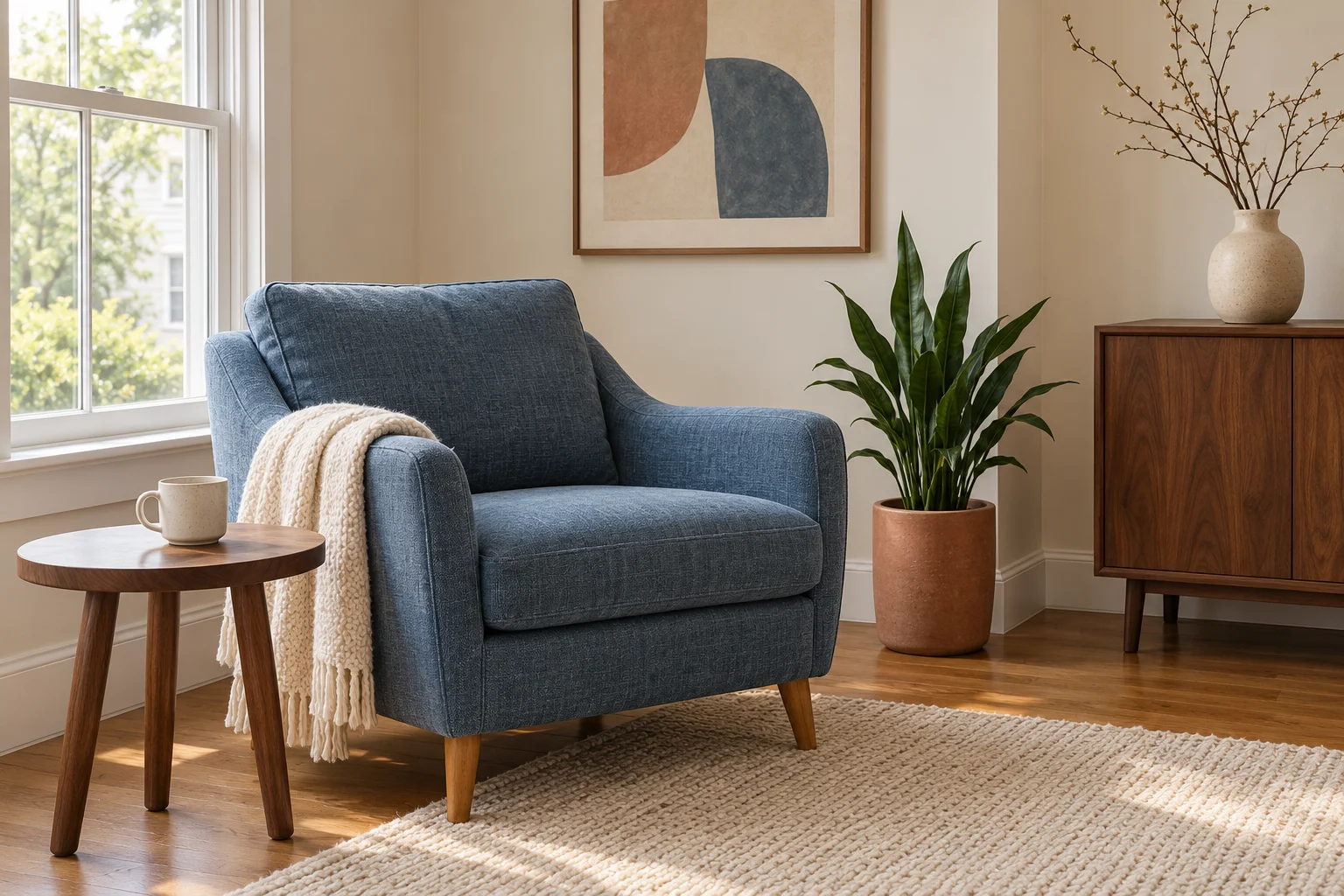
A peaceful home starts with a place where you can comfortably pause. That might be a sunny living room corner, a quiet bedroom chair, or a spare room with a little more breathing space. You do not need a large budget or a completely empty room to make it happen.
These Zen-inspired decorating ideas bring together simple furniture, natural textures, gentle lighting, and practical storage. Here, “Zen-inspired” describes a restrained, nature-connected decorating approach; your space can support reading, reflection, or an everyday break without following a particular spiritual practice.
Explore 12 approachable ideas, useful layout tips, calming color combinations, and a shopping checklist to help you create a Zen space at home that feels personal and easy to maintain.
More Inspiration for a Peaceful Home
Quick List: 12 Ways to Create Your Zen Space
- Choose a soft, muted foundation.
- Keep furniture simple and purposeful.
- Layer wood, bamboo, stone, and cotton.
- Create a gentle evening glow.
- Decorate with quiet references to nature.
- Leave open space around your furniture.
- Give everyday clutter a hidden home.
- Bring greenery and woven textures indoors.
- Set aside a dedicated relaxation corner.
- Build warmth with an earthy palette.
- Soften the space with comfortable textiles.
- Make the most of natural daylight.
How to Create a Zen Space at Home
Start by choosing one activity you want the space to support. Reading needs a comfortable seat and useful light. Journaling needs somewhere to rest a notebook. Quiet reflection might require only a chair or supportive cushion and a little privacy.
Try your chosen location before buying anything. Sit there during the time you expect to use it, noticing noise, glare, temperature, and foot traffic. A corner that looks beautiful in the morning may be busy during your evening wind-down.
- Clear a small area: Remove unrelated items from the floor and nearby surfaces.
- Use furniture you already own: Begin with a comfortable chair and a compact table.
- Choose a restrained palette: Repeat two or three colors in the main pieces.
- Add useful comfort: Bring in a lamp, cushion, or blanket according to your needs.
- Finish with one natural detail: Try a plant, wooden bowl, or landscape print.
- Live with the arrangement: Adjust anything that makes sitting, reaching, or moving awkward.
Choose a Setup That Fits Your Home
| Style or Area | Best Pieces to Use | Why It Works |
|---|---|---|
| Small living room corner | Existing armchair, compact table, shaded lamp | Creates a usable retreat within a shared room. |
| Bedroom nook | Supportive seat, soft throw, closed basket | Keeps comfort and daily essentials close together. |
| Spare room | Simple seating, low cabinet, comfortable rug | Allows a dedicated quiet area with practical storage. |
| Window-side retreat | Light-filtering curtains, chair, suitable plant | Makes daylight and an outdoor view part of the setting. |
12 Practical Zen Space Ideas to Try
1Choose a Soft, Muted Foundation

Image credits – One Habitat Studio
Begin with a gentle background that lets the room’s shapes and textures stand out. Warm white, pale gray, cream, or light taupe can work across walls, curtains, and larger furniture. Choose the shade that looks comfortable beside your existing flooring rather than selecting a white paint in isolation.
For a renter-friendly update, introduce the same effect through bedding, cushion covers, or a neutral rug. Repeat your main shade in two or three places, then add one muted accent. Test paint samples in daylight and lamplight before committing, since a soft gray can look noticeably cooler after sunset.
2Keep Furniture Simple and Purposeful
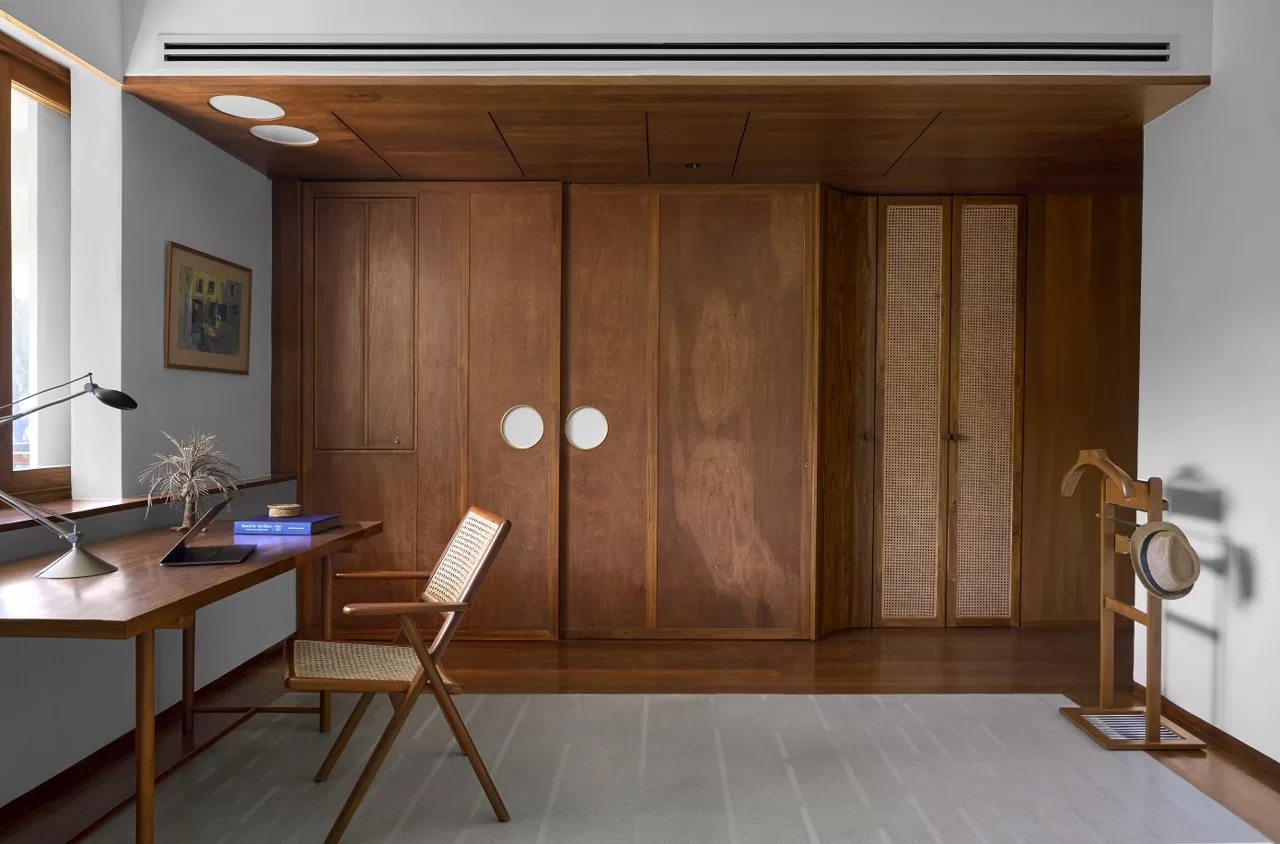
Image credits – Atelier Varun Goyal
Choose furniture with straightforward shapes and a clear job. A comfortable chair, plain wooden table, and compact cabinet can create a complete retreat without a collection of accent pieces. Simple silhouettes also make it easier to combine secondhand finds with furniture you already own.
Measure the area before adding another piece. Check that you can enter the corner, pull out the chair, and reach the table comfortably. Low furniture can suit the look, but use a seat height and back support that work for your body; comfort matters more than matching an inspiration photo.
3Layer Wood, Bamboo, Stone, and Cotton
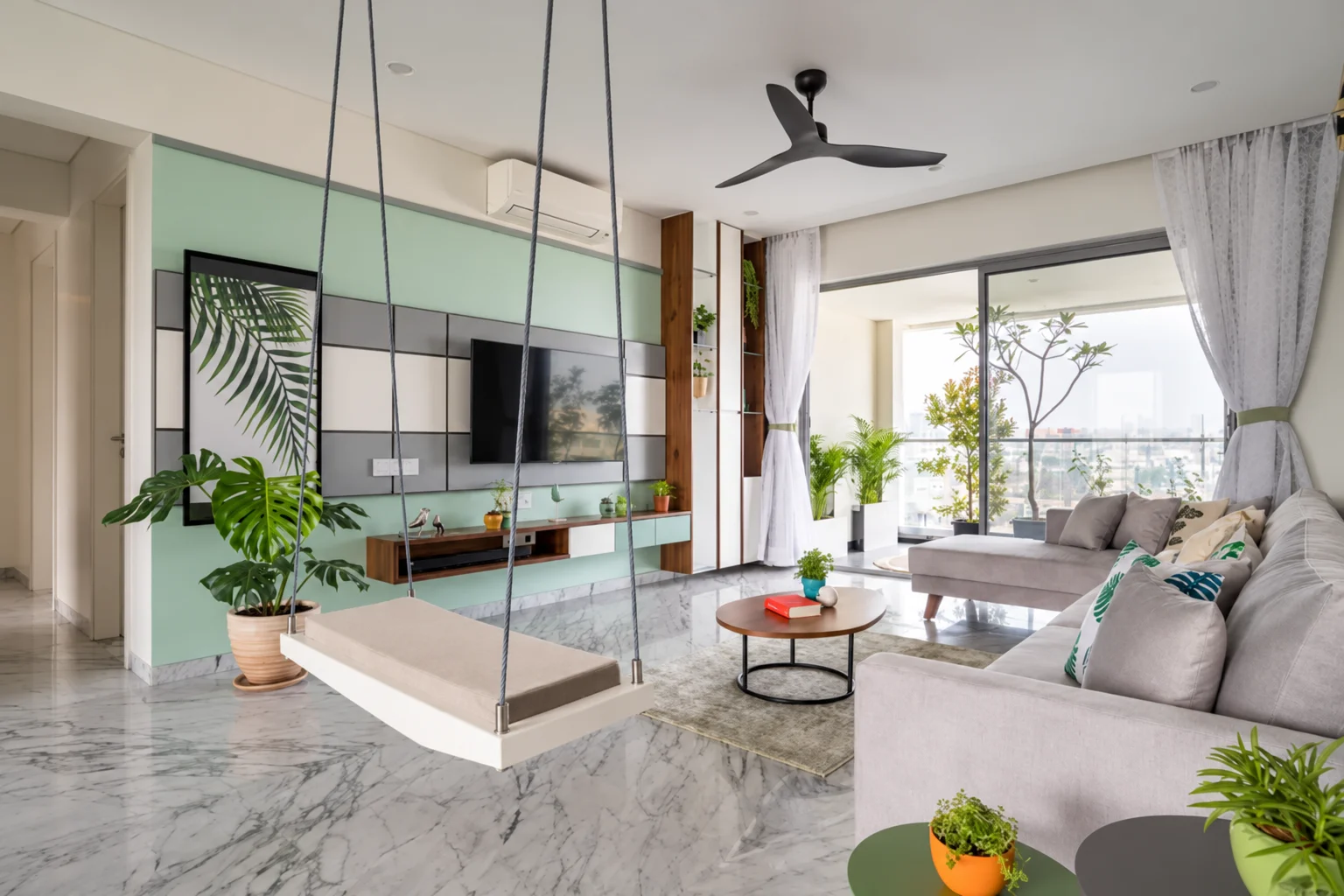
Image credits – One Habitat Studios
Natural materials add interest without requiring bold patterns or extra decorations. Pair a wooden side table with a cotton cushion, or place a smooth stoneware bowl on a bamboo tray. Differences in grain, weave, and finish give a neutral space enough variety to feel inviting.
Keep the combination manageable by choosing two main materials and one smaller accent. For example, use wood and cotton throughout the seating area, then add a stone coaster. Shop your home first, and keep absorbent textiles and unfinished wood away from splashing water.
Amazon find: Small Wooden Tray
A simple tray can organize a cup, coaster, and small accessory while adding natural texture. Check that it fits your table with room left for everyday use.
4Create a Gentle Evening Glow
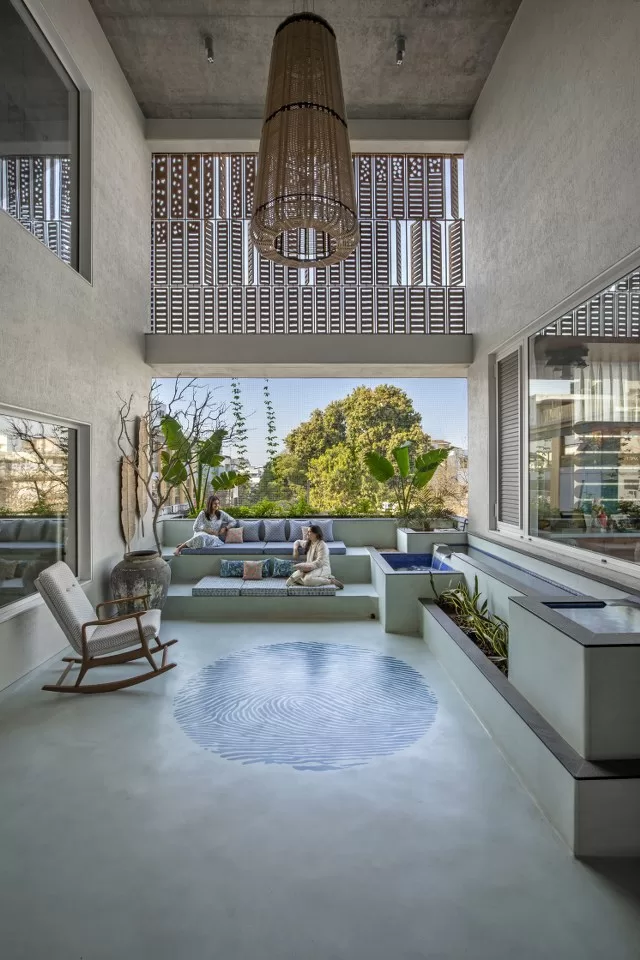
Image credits – Dipen Gada & Associates
A shaded table lamp or floor lamp can make your Zen space feel welcoming after dark. Choose a fabric shade or another diffused design that softens the visible light source. A warm-white bulb around 2700K is a useful starting point for a cozy evening setting.
Position the lamp so it illuminates your book or journal without shining directly into your eyes. If you want adjustable brightness, check that the bulb, fixture, and dimmer are compatible. Flameless candles can add a small decorative glow, while a proper reading lamp supplies the light needed for your activity.
Amazon find: Table Lamp With a Fabric Shade
A shaded lamp offers useful evening light beside a chair. Look for an accessible switch, a stable base, and a size that leaves your table usable.
5Decorate With Quiet References to Nature
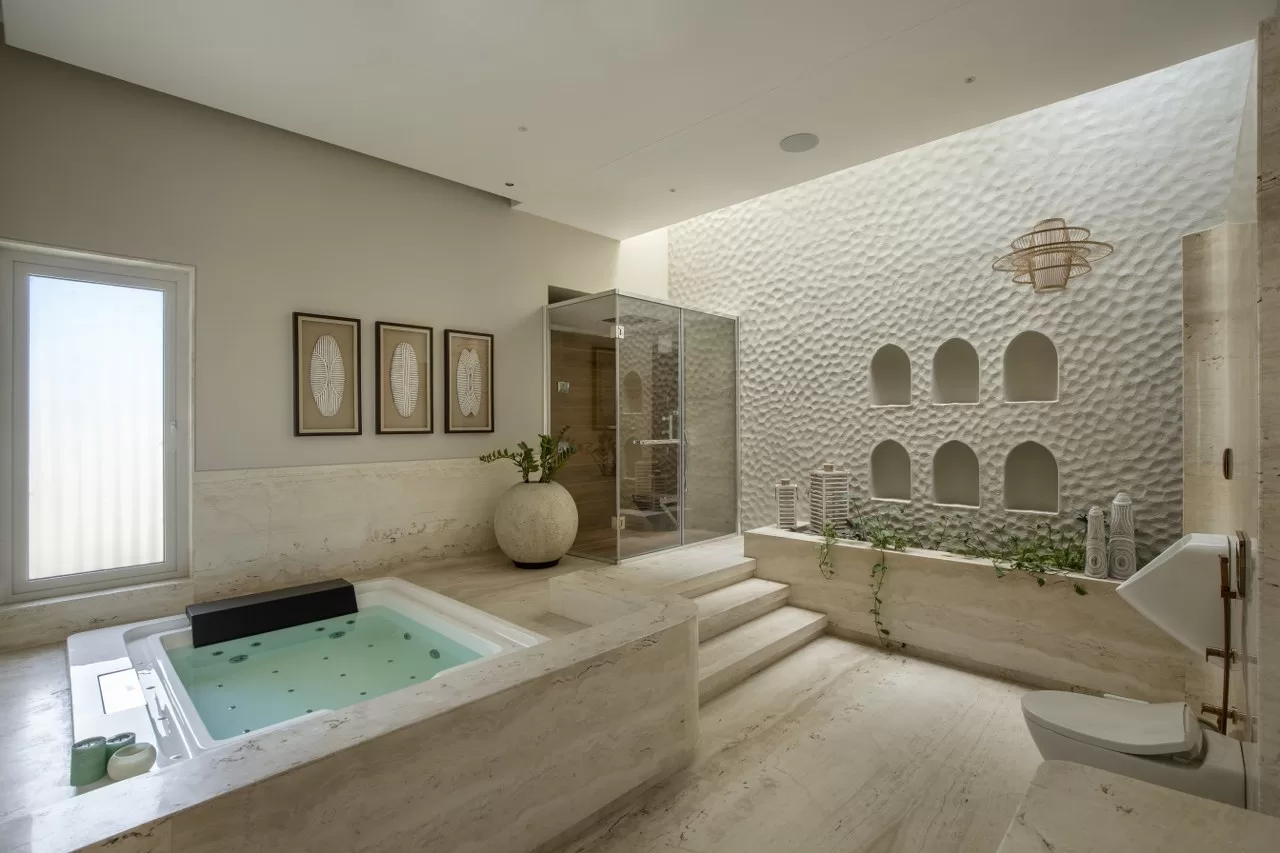
Image credits – Dipen Gada & Associates
A landscape print, a botanical illustration, or a shallow bowl of smooth pebbles can introduce an outdoor connection without filling the room. Choose one main nature-inspired accent and let the surrounding surface remain mostly clear. A photograph from a favorite walk can feel especially personal.
If you enjoy the sound of moving water, consider a small tabletop fountain on a stable, water-resistant surface. Check its pump noise and cleaning requirements before buying, and keep it away from books and electronics. A fountain is optional; artwork or a simple stone detail can communicate the same decorating idea with less upkeep.
6Leave Open Space Around Your Furniture

Image credits – Garodia Group
Give the arrangement room to breathe by removing furniture that does not support the way you use the area. Keep a clear route to your chair, window, and doorway. An open patch of floor or an undecorated section of wall can be part of the finished design.
In a small room, try moving an extra stool or decorative stand elsewhere before purchasing slimmer replacements. Group the pieces you need into one useful zone rather than spreading accessories across every corner. Sit down and check the view: if several objects compete for attention, simplify the nearest surfaces first.
7Give Everyday Clutter a Hidden Home
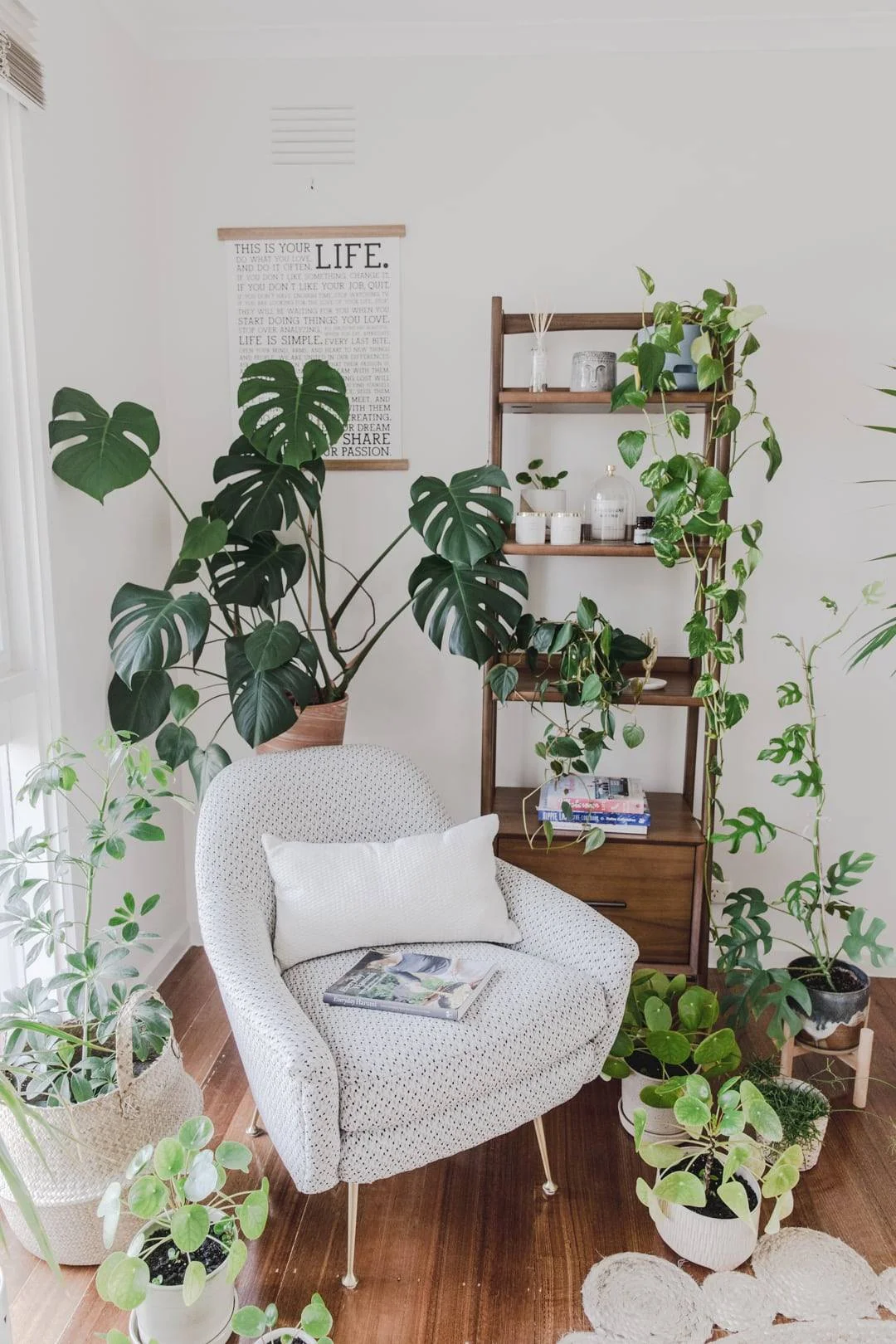
Image credits – Connie and Luna
A peaceful corner needs somewhere for the ordinary things that collect nearby. Use a lidded basket for a throw, a drawer for charging cables, or a closed cabinet for supplies. Keep items you use daily within easy reach so tidying does not become a complicated task.
Sort before buying storage containers. Return objects that belong in another room and decide what you actually need beside your seat. One basket that fits your belongings is more useful than several attractive baskets with no clear purpose. Finish each visit by returning your book, blanket, or notebook to its spot.
Amazon find: Lidded Woven Storage Basket
A basket with a lid can conceal small everyday items while adding texture. Measure the intended space and check the interior dimensions before choosing a size.
8Bring Greenery and Woven Textures Indoors

Image credits – Bali Interiors
Pair a leafy plant with a wicker basket, woven chair, or natural wood surface for an easy indoor-outdoor feeling. Start with one plant that suits the available light and your care routine. A single well-placed pot beside the seating area can be enough.
Keep the plant in an appropriate growing pot with drainage and protect your floor with a suitable saucer or waterproof liner. Check plant safety if children or pets may reach it. For a darker corner, a restrained faux arrangement can provide the look without forcing a living plant into unsuitable conditions.
9Set Aside a Dedicated Relaxation Corner

Image credits – Choosing Chia
Choose a quieter part of your home and give it a clear purpose. Arrange a chair, small table, and lamp for reading, or use a supportive cushion if you enjoy floor seating. Keep a favorite book or journal nearby so the space is ready when you have a few minutes.
Define the corner with a rug or a change in furniture direction instead of building a divider. In a shared living room, turn the chair slightly away from the television when the layout allows. Keep your work supplies elsewhere, and choose seating that lets you sit down and stand up comfortably.
10Build Warmth With an Earthy Palette

Image credits – Lauren DeBello Interiors
Bring warmth into your neutral foundation with sand, oatmeal, soft brown, muted clay, or gentle olive. These shades work especially well through wood finishes, cushion covers, pottery, and throws. Keep one earthy color dominant and use the others in smaller amounts.
For example, combine ivory curtains with an oatmeal chair, a medium-brown table, and one clay-colored cushion. If your room already has dark wood, balance it with lighter textiles rather than adding more dark furniture. Match the warmth of new accessories to the pieces you plan to keep.
11Soften the Space With Comfortable Textiles
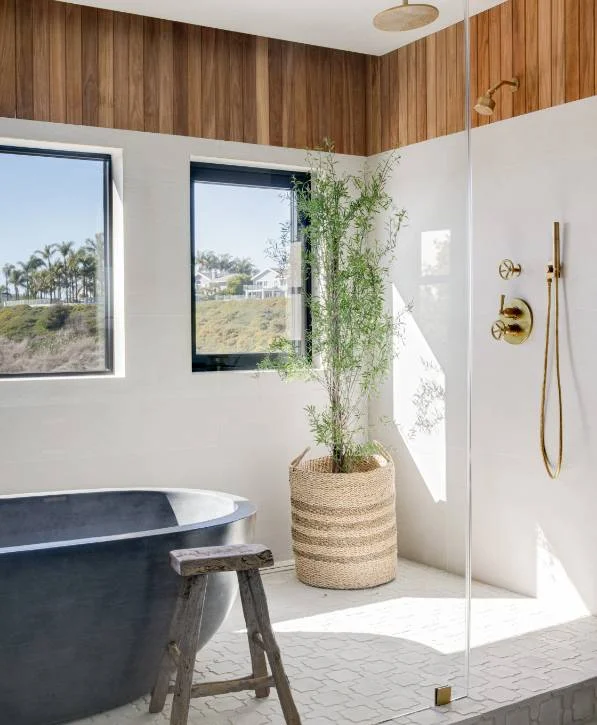
Image credits – Lindye Galloway
Add softness where you actually feel it: under your feet, behind your back, and across your lap. A comfortable rug, supportive cushion, and washable throw can make simple furniture more inviting. Mix a smooth cotton fabric with one textured weave for variety without a busy pattern.
Choose a rug pile that suits movement through the room, and use a compatible nonslip pad when needed. Avoid covering the chair with so many cushions that sitting requires rearranging everything. For everyday use, removable covers and easy-care fabrics often matter more than delicate decorative details.
Amazon find: Washable Cotton Throw Blanket
A cotton throw adds a comfortable layer to a chair or reading nook. Check the care instructions, dimensions, and weight for your preferred season.
12Make the Most of Natural Daylight
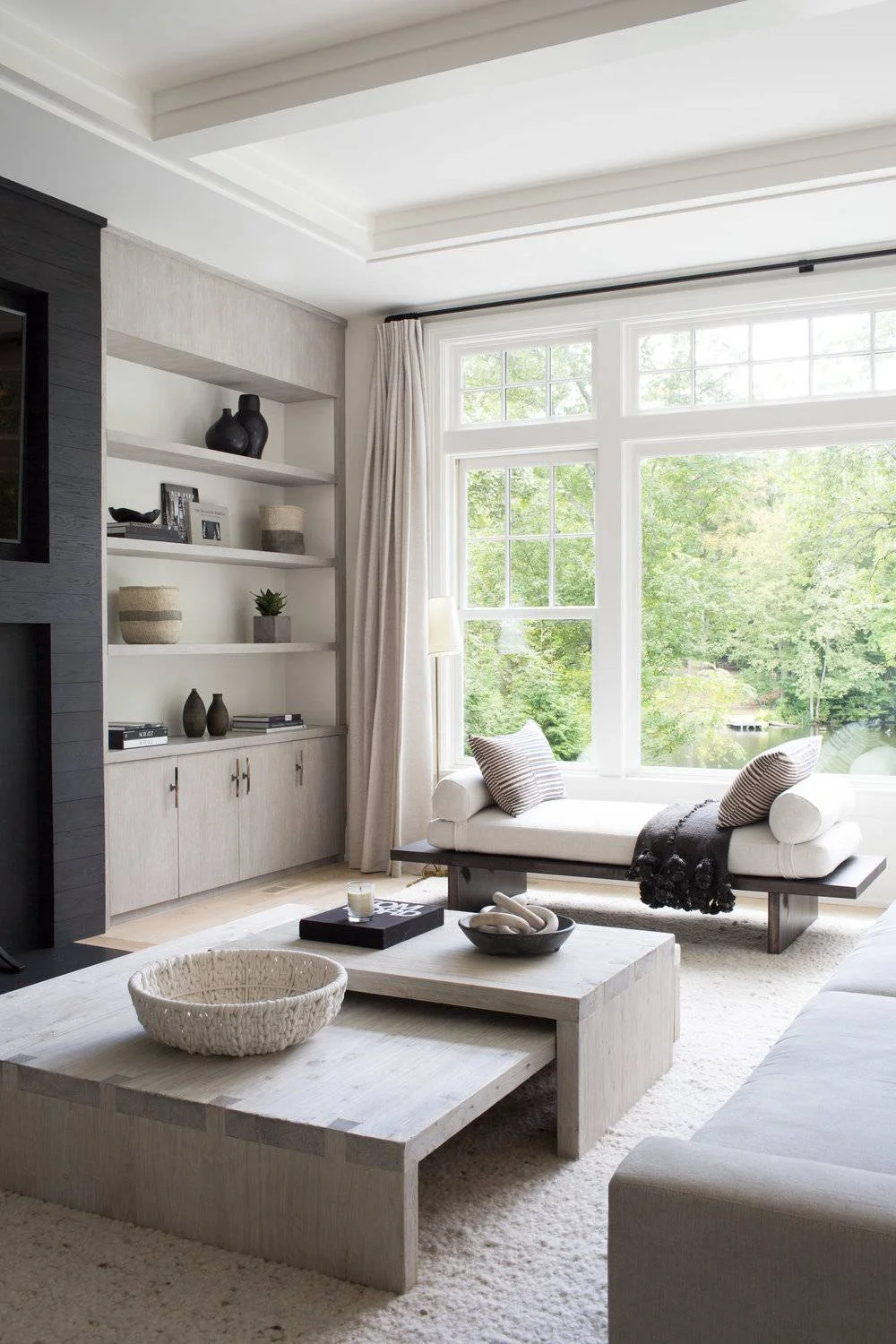
Image credits – Kerri Rosenthal
Keep tall furniture from blocking your windows and consider light-filtering curtains where they suit your privacy needs. Position the chair to enjoy daylight without facing uncomfortable glare. Pale textiles can help the corner feel visually lighter, especially beside dark flooring.
Use adjustable blinds or a separate privacy layer when sheer curtains are not enough. A mirror may reflect available light, but check that it does not direct glare into your seat. Keep an evening lamp nearby so the space remains useful after sunset and on cloudy days.
Amazon find: Light-Filtering Curtain Panels
Light-filtering panels can soften daylight while adding a gentle backdrop. Measure your window and check the fabric’s privacy level before ordering.
Shopping Checklist for Your Zen Space
Use this checklist to identify gaps in your setup. Begin with seating and lighting, then add storage or textiles only where they improve comfort and everyday use.
| Item | Best For | Amazon Search |
|---|---|---|
| Compact side table | Keeping a book and drink within reach | Shop on Amazon |
| Shaded floor lamp | Lighting a chair without using table space | Shop on Amazon |
| Lidded storage basket | Containing blankets and small supplies | Shop on Amazon |
| Washable cushion cover | Refreshing an existing cushion | Shop on Amazon |
| Low-pile rug | Defining a seating area | Shop on Amazon |
| Planter with drainage and saucer | Displaying a suitable houseplant | Shop on Amazon |
Frequently Asked Questions
What should I put in a Zen space at home?
Start with comfortable seating, useful lighting, and a small surface for the items you use. Add a natural texture or one quiet decorative accent, then include storage if needed. Let your daily activity guide the setup.
How can I create a Zen space on a budget?
Clear an existing corner and reuse a chair, lamp, and side table. Move a plant or framed photograph from another room, and use a basket you already own for storage. Buy only what improves the comfort or usefulness of the arrangement.
Can I make a Zen corner in a small apartment?
Yes. Use an existing seat near a window or in a quieter part of the bedroom. A compact table, reachable light, and one storage basket can provide a complete setup. Keep the route around the furniture clear.
What colors work well for Zen-inspired decor?
Warm white, cream, oatmeal, taupe, sage, muted blue, and soft brown are useful starting points. Choose two or three shades that look good beside your existing furniture, and repeat them through textiles and smaller accents.
Do I need a fountain, candles, or floor cushions?
No. These are optional details. A supportive chair and a shaded lamp may suit your routine better. Add water features, candles, or floor seating only if you enjoy them and can use and maintain them comfortably.
Final Thoughts
Creating a Zen space at home begins with making room for comfort. Simple furniture, soft light, natural textures, and manageable storage can turn an ordinary corner into somewhere you enjoy spending time.
Start with one area and use it for a few days before adding more. Notice whether you need better lighting, a softer cushion, or less clutter nearby, then make that small adjustment.
Choose one of these 12 ideas to try this week. A clear table, a comfortable seat, and a few thoughtful details can be a lovely beginning.