
A calming bedroom gives you a comfortable place to step away from the day. Soft colors, useful lighting, and an easy furniture layout can make the space feel welcoming, even when the room is small or your decorating budget is limited.
You do not need an empty room or an entirely new furniture set. These Zen-inspired bedroom ideas focus on simple choices that suit everyday life, from coordinated bedding to a reading corner you will actually use.
Explore 15 practical decorating ideas, five gentle color palettes, and a shopping checklist to help you create a personal retreat. Choose the details that feel comfortable to you and build the room gradually.
Affiliate note: This article may contain affiliate links. If you buy through these links, we may earn a small commission at no extra cost to you.
More Inspiration for a Peaceful Home
Quick List: 15 Calming Bedroom Ideas
- Start with a gentle, understated color scheme
- Create an airy bedroom with layered whites
- Introduce soft pastel accents
- Build a tonal look around one quiet color
- Add a few colorful details to a neutral room
- Choose pale wood furniture for a lighter look
- Arrange furniture for comfortable movement
- Try a feng shui-inspired bed position
- Dress the bed in soft neutral layers
- Create a warm glow with layered lighting
- Add inviting texture with throws and cushions
- Use earthy wall colors as a gentle backdrop
- Bring warmth through natural wood pieces
- Make room for a comfortable reading corner
- Soften the windows with flowing curtains
How to Decorate a Calming Zen Bedroom
Start by noticing what makes your bedroom difficult to enjoy. Perhaps the bedside table is crowded, the only light is too bright for evenings, or a chair blocks the wardrobe. Solve those everyday problems before choosing extra decorations.
Next, work with your largest existing pieces. Your bed, flooring, and dresser can guide the palette. Repeat a few compatible colors through bedding, curtains, and accessories so the room feels connected without requiring everything to match.
- Clear the essentials: Remove unrelated paperwork, unused decorations, and items that belong elsewhere.
- Check the layout: Make sure doors, drawers, and walking routes work comfortably.
- Choose your base colors: Pick two gentle shades and an optional accent.
- Make the bed comfortable: Use fabrics and bedding weights that suit your preferences and climate.
- Adjust the lighting: Add useful bedside light and a softer setting for evenings.
- Finish with a few personal details: Include a favorite artwork, book, or keepsake without filling every surface.
Simple Zen bedroom formula: Comfortable bed + coordinated colors + natural texture + adjustable lighting + clear walking space + one personal detail.
Choose the Right Details for Your Space
| Style or Area | Best Pieces to Use | Why It Works |
|---|---|---|
| Small bedroom | Compact nightstand, simple bedding, slim lamp | Keeps everyday necessities close without crowding the bed. |
| Light neutral bedroom | White bedding, ivory curtains, pale wood | Creates a cohesive look with warmth supplied by texture. |
| Earthy retreat | Muted clay walls, cream textiles, wood furniture | Connects soft fabrics with natural-looking colors and materials. |
| Reading corner | Supportive chair, adjustable lamp, small table | Provides a comfortable place to read away from the bed. |
| Renter-friendly refresh | Curtains, cushion covers, plug-in lamps | Changes the mood through pieces you can take with you. |
15 Calming Zen Bedroom Decor Ideas to Try
1Start With a Gentle, Understated Color Scheme
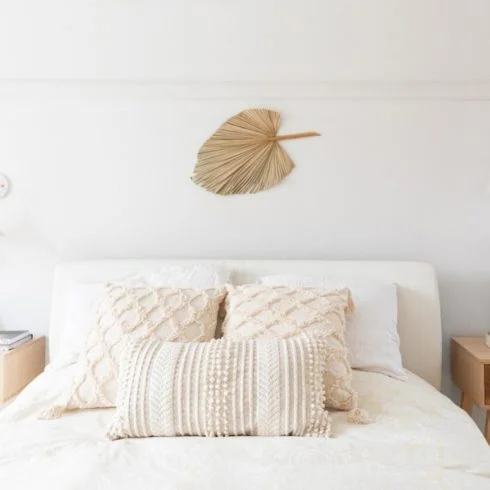
Image credits – Lauren Kolyn
Choose a quiet base palette that feels pleasant when you enter the room. Warm ivory, pale taupe, soft gray, and muted beige are useful starting points because they coordinate easily with many furniture finishes. Carry your main shade through the largest areas, such as walls, bedding, or curtains.
Look at the colors beside your flooring and headboard before making a decision. If repainting is not practical, soften existing walls with coordinated bedding and a simple artwork. Keep strong contrasts limited so the bed remains the main focal point.
Color tip: Compare samples in the morning and with your evening lamps. The same shade can look quite different under different light.
2Create an Airy Bedroom With Layered Whites

Image credits – Unsplash
An all-white bedroom can feel inviting when it includes different surfaces and subtle variations in shade. Combine white sheets with an ivory coverlet, softly textured curtains, and a padded headboard. Let stitching, folds, and fabric texture provide the detail.
Choose whites with compatible undertones so one fabric does not look unexpectedly yellow or blue beside another. Use washable bedding and check care requirements before buying. A restrained bedside display keeps the light palette feeling intentional rather than unfinished.
3Introduce Soft Pastel Accents
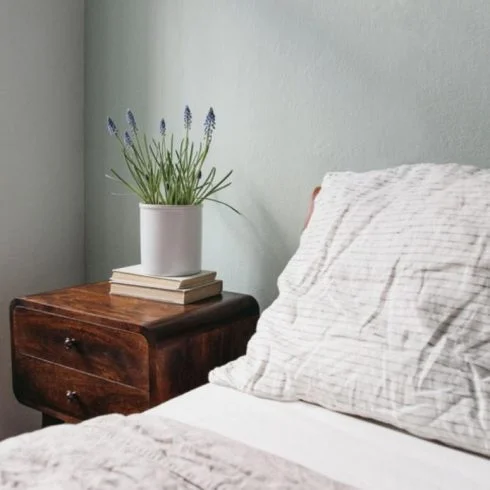
Image credits – Getty Images
If you enjoy color, try pale sage, washed blue, or a gentle lavender. A pastel wall behind a wooden bed creates a soft backdrop, while cream bedding keeps the arrangement balanced. You can also introduce the shade through a duvet cover or curtains.
Choose one main pastel and repeat it sparingly instead of mixing many unrelated colors. For a small update, use a pair of cushion covers and an artwork containing the same shade. Keep nearby wood and metal finishes simple so the pastel remains easy to appreciate.
Amazon find: Soft Pastel Cushion Covers
Sage, pale blue, or lavender covers can introduce a gentle accent without replacing your bedding. Check dimensions against your existing inserts.
4Build a Tonal Look Around One Quiet Color
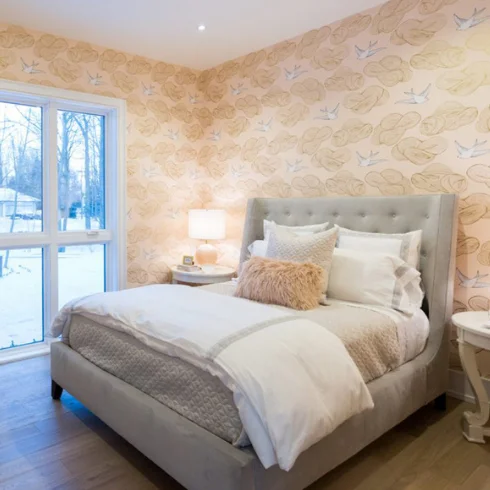
Image credits – Home Network
A tonal bedroom uses several versions of the same color family. Try pale peach walls, dusty blush cushions, and a muted rose lamp base. The variation gives the room depth while keeping the overall palette connected.
Include a plain fabric layer if you use softly patterned wallpaper. A cream duvet or neutral upholstered headboard gives the eye somewhere to rest. Vary texture as well as shade so the room feels layered without needing extra accessories.
5Add a Few Colorful Details to a Neutral Room

Image credits – Home Network
A neutral bedroom can still express your love of color. Keep walls and flooring understated, then add a blue quilt, colorful artwork, or a small group of accent cushions. Let one or two pieces supply most of the color.
Repeat an accent from the artwork in the bedding to connect the arrangement. Leave surrounding surfaces simple, especially if the bedspread has a pattern. This is an easy approach when you want to change the room seasonally without repainting.
Styling tip: Choose one main colorful piece first. Add supporting accents only after seeing how it looks in the room.
6Choose Pale Wood Furniture for a Lighter Look

Image credits – Unsplash
Beech, maple, and light oak finishes work beautifully with white walls and soft textiles. Try a pale wood nightstand, simple desk, or bed frame to introduce visible grain without a heavy-looking finish. Clean furniture shapes help the material stand out.
You do not need to replace every dark piece. Add one lighter wood element and repeat its tone in a frame or small tray. If your bedroom includes a desk, choose a compact design and organize work supplies so the surface stays easy to clear.
7Arrange Furniture for Comfortable Movement

Image credits – Home Network
A peaceful bedroom needs a layout that works. Position the bed where you can reach it comfortably, then check that wardrobe doors and dresser drawers open fully. Keep the route from the doorway to the bed free of stools, baskets, and loose bedding.
Before buying furniture, mark its footprint on the floor with removable tape. Consider whether a narrow nightstand or smaller dresser would serve you better. If the room feels crowded, remove an occasional piece before sacrificing useful storage.
Layout tip: Walk through the room, open every drawer, and test both sides of the bed. These checks reveal problems that a tidy photograph can hide.
8Try a Feng Shui-Inspired Bed Position
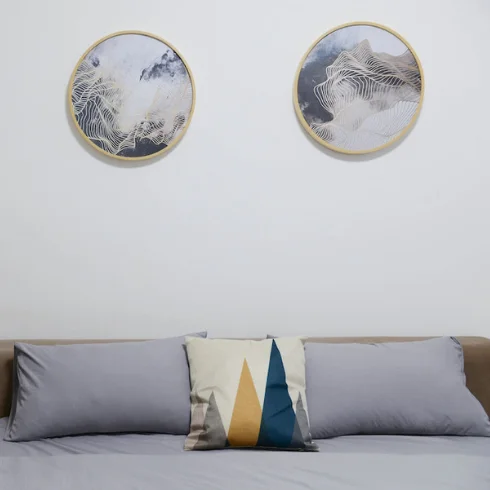
Image credits – Pexels
For a feng shui-inspired arrangement, place the headboard against a solid wall and position the bed so you can see the doorway without lying directly in line with it. This traditional placement offers a useful starting point for thinking about the room’s balance.
Adapt the arrangement to your actual floor plan. Keep exits, windows, and heating equipment accessible, and choose a secure headboard that feels comfortable. Treat the placement as a decorating preference rather than a promise of better sleep; everyday comfort comes first.
9Dress the Bed in Soft Neutral Layers

Image credits – Alex Tyson
Build the bedding around cream, oatmeal, or soft gray. Start with comfortable sheets, add a plain duvet or quilt, and finish with a textured coverlet or lightweight throw. Slight differences in shade make the bed look layered without a busy pattern.
Choose fabrics for how they feel against your skin and how easily you can care for them. Keep decorative pillows manageable so making the bed stays simple. In warm weather, use lighter layers and store heavier blankets nearby for cooler nights.
Amazon find: Neutral Cotton Duvet Cover
A plain cream or oatmeal cover can coordinate mismatched bedding. Check the fabric composition, care instructions, and fit for your duvet insert.
10Create a Warm Glow With Layered Lighting

Image credits – Khanh Do
A shaded bedside lamp and a second light across the room give you more flexibility than a ceiling fixture alone. Choose a warm-looking light you find comfortable, with enough brightness for reading when needed. Position shades so exposed bulbs do not shine directly into your eyes.
A dimmable lamp is a practical addition when you want both task lighting and a gentler evening setting. Plug-in sconces can free up nightstand space if installed according to their instructions. Keep cords away from walking routes and switches within easy reach.
Amazon find: Dimmable Bedside Lamp
Look for an easy-to-use control, a stable base, and a shade that suits the height of your nightstand. Check bulb compatibility if the light source is replaceable.
11Add Inviting Texture With Throws and Cushions
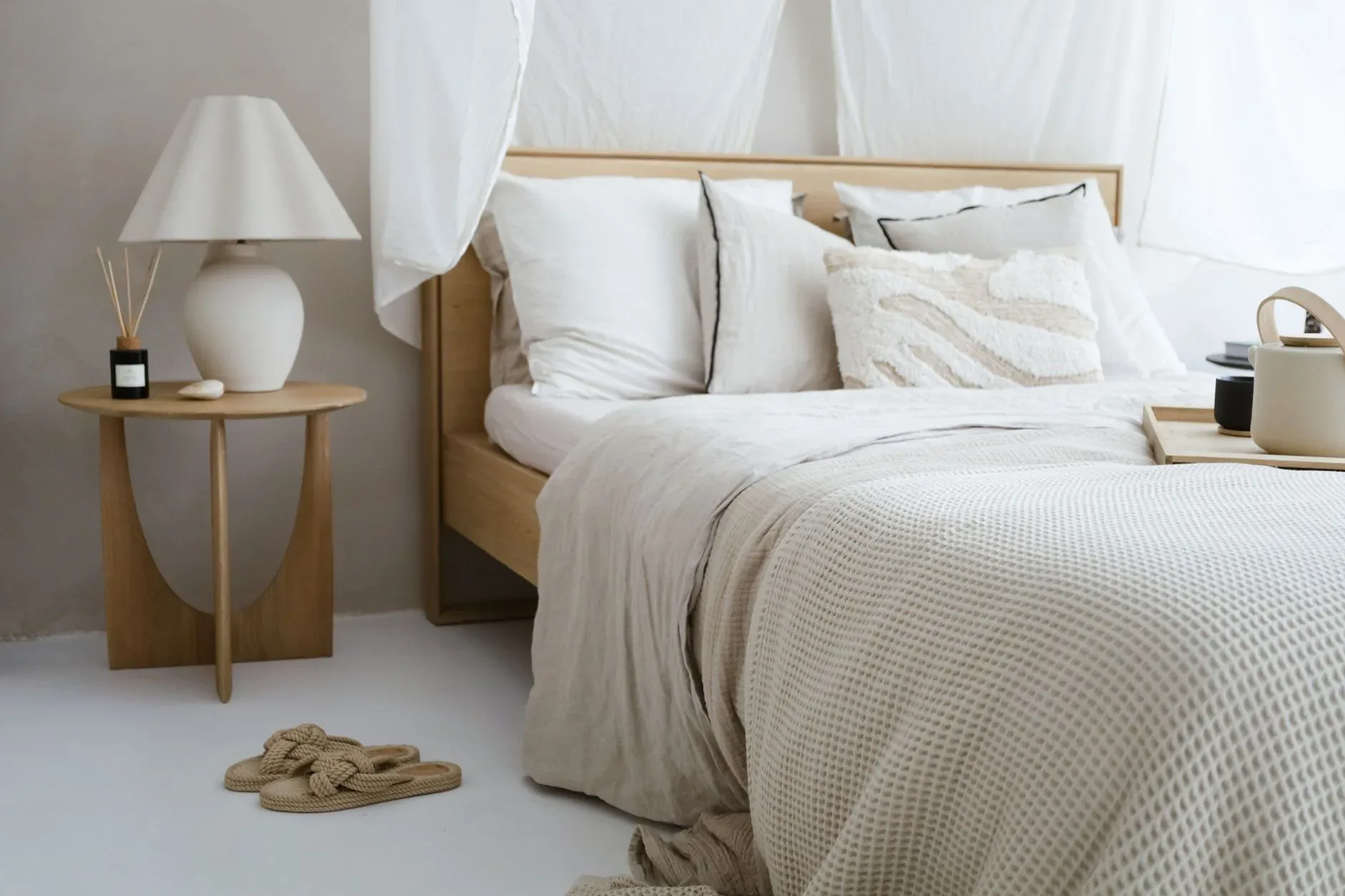
Image credits – Natalia Walusiak
Use a knitted throw, woven cushion, or softly quilted coverlet to give a simple bedroom more depth. Keep the fabrics within your existing palette so texture supplies the variety. One textured throw and a couple of cushions may be enough.
Drape the throw over a chair or fold it loosely across the foot of the bed. Choose washable covers where possible, and keep a basket or drawer available for extra pillows. Avoid layers that feel scratchy, overly warm, or inconvenient to move each night.
Budget tip: Move a favorite throw from another room and change the cushion covers you already own before purchasing new inserts.
12Use Earthy Wall Colors as a Gentle Backdrop
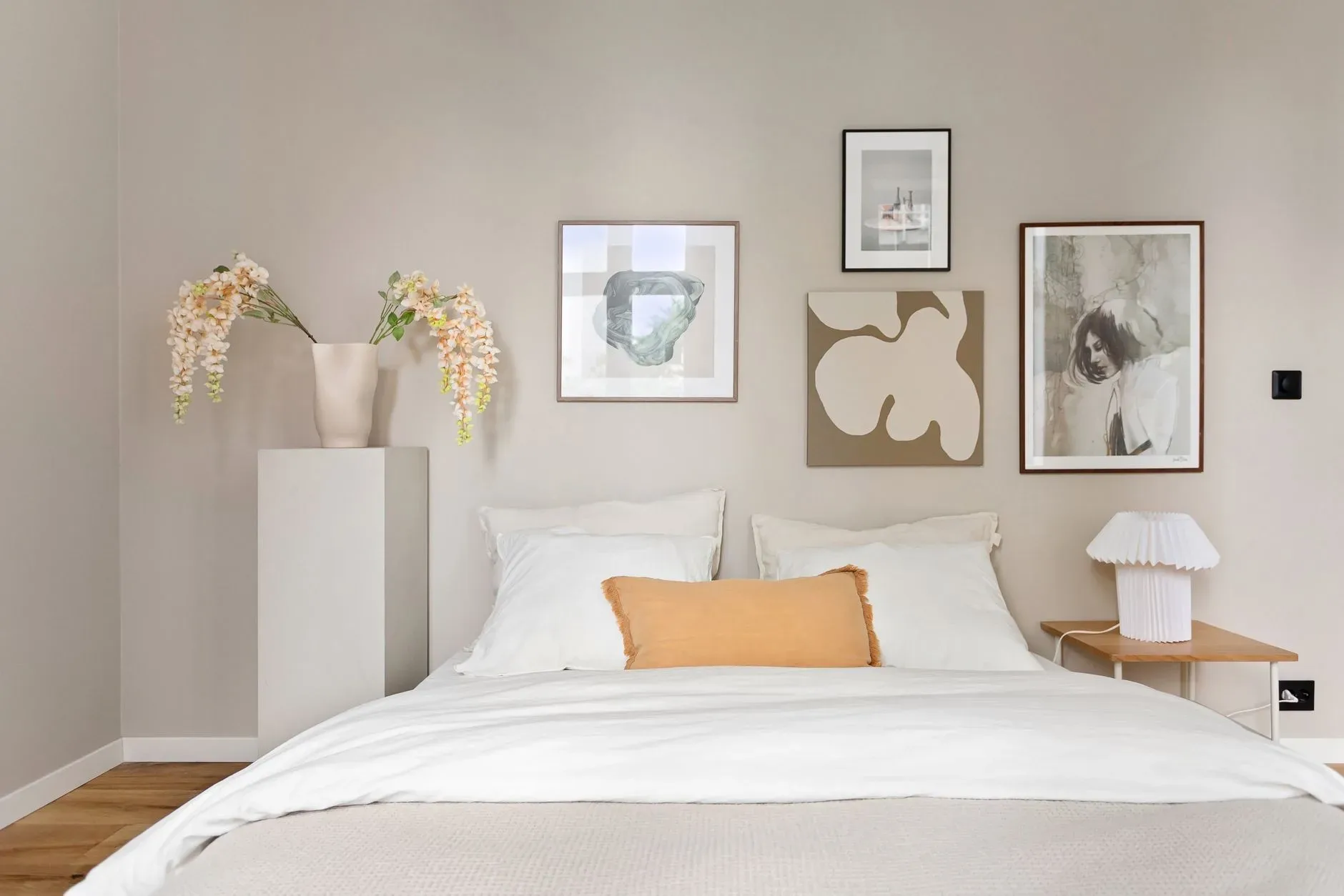
Image credits – Lisa Anna
Muted clay, warm beige, and soft sage bring a nature-inspired color family into the bedroom. Pair these walls with cream textiles and warm wood for a connected look. An accent wall behind the bed is an option if you prefer a smaller painting project.
Test a generous sample before committing, especially beside existing trim and flooring. Choose a quieter version of your favorite earthy color if the room already contains strong patterns. Renters can introduce the same shades through bedding, curtains, and framed art.
13Bring Warmth Through Natural Wood Pieces
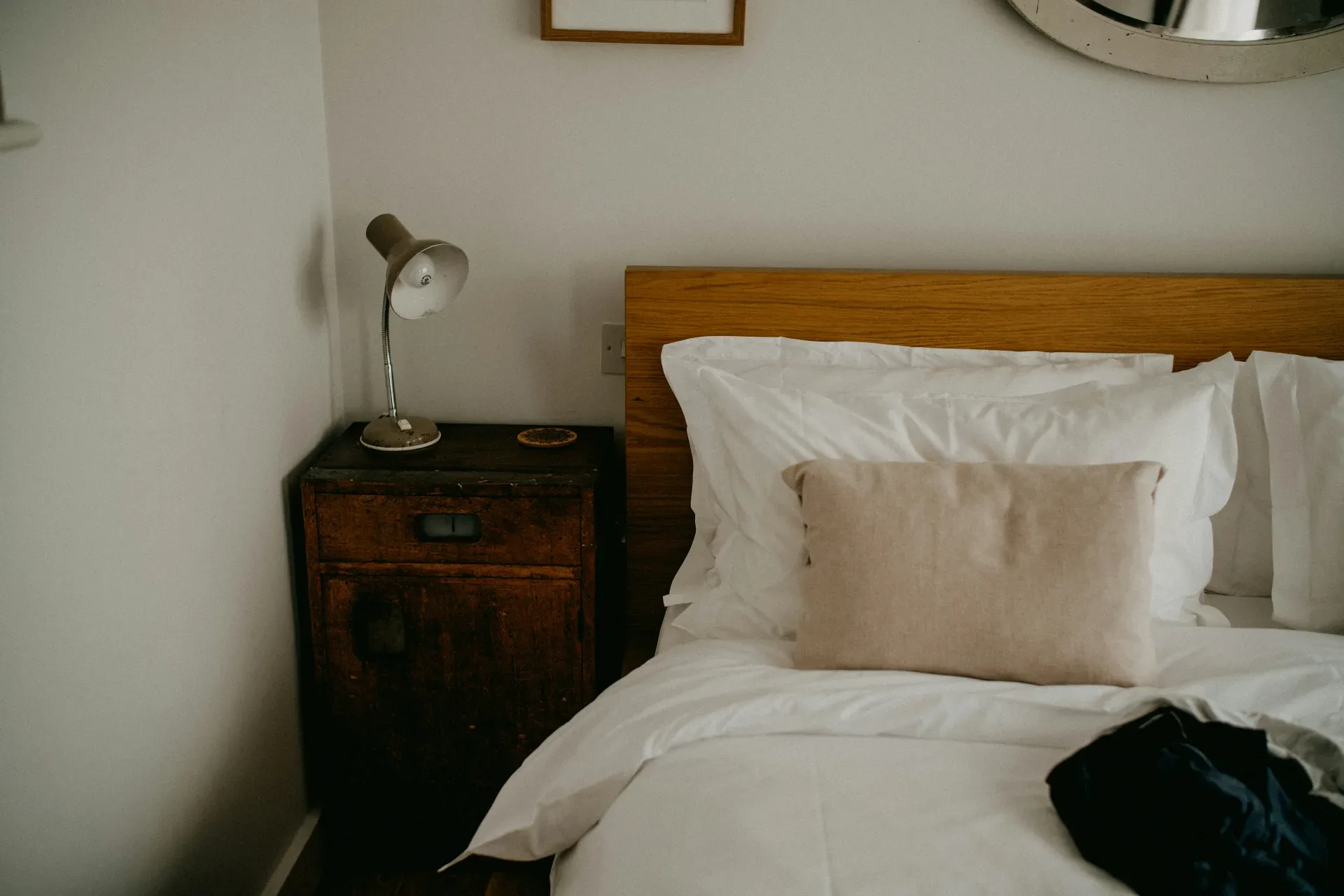
Image credits – Annie Spratt
Natural wood furniture adds grain, subtle variation, and character to a bedroom. A secondhand nightstand or vintage dresser can work alongside newer pieces. Leave enough of the surface visible to enjoy the material rather than covering it with decorations.
Mix finishes by repeating a similar warm or cool undertone, even if the pieces are not identical. Check secondhand furniture for stability, damage, and unwanted pests before bringing it indoors. A small wood tray or frame is a lower-cost way to try the look.
Secondhand tip: Clean and assess an older piece before refinishing it. Avoid sanding unknown painted finishes without first checking what preparation is appropriate.
14Make Room for a Comfortable Reading Corner
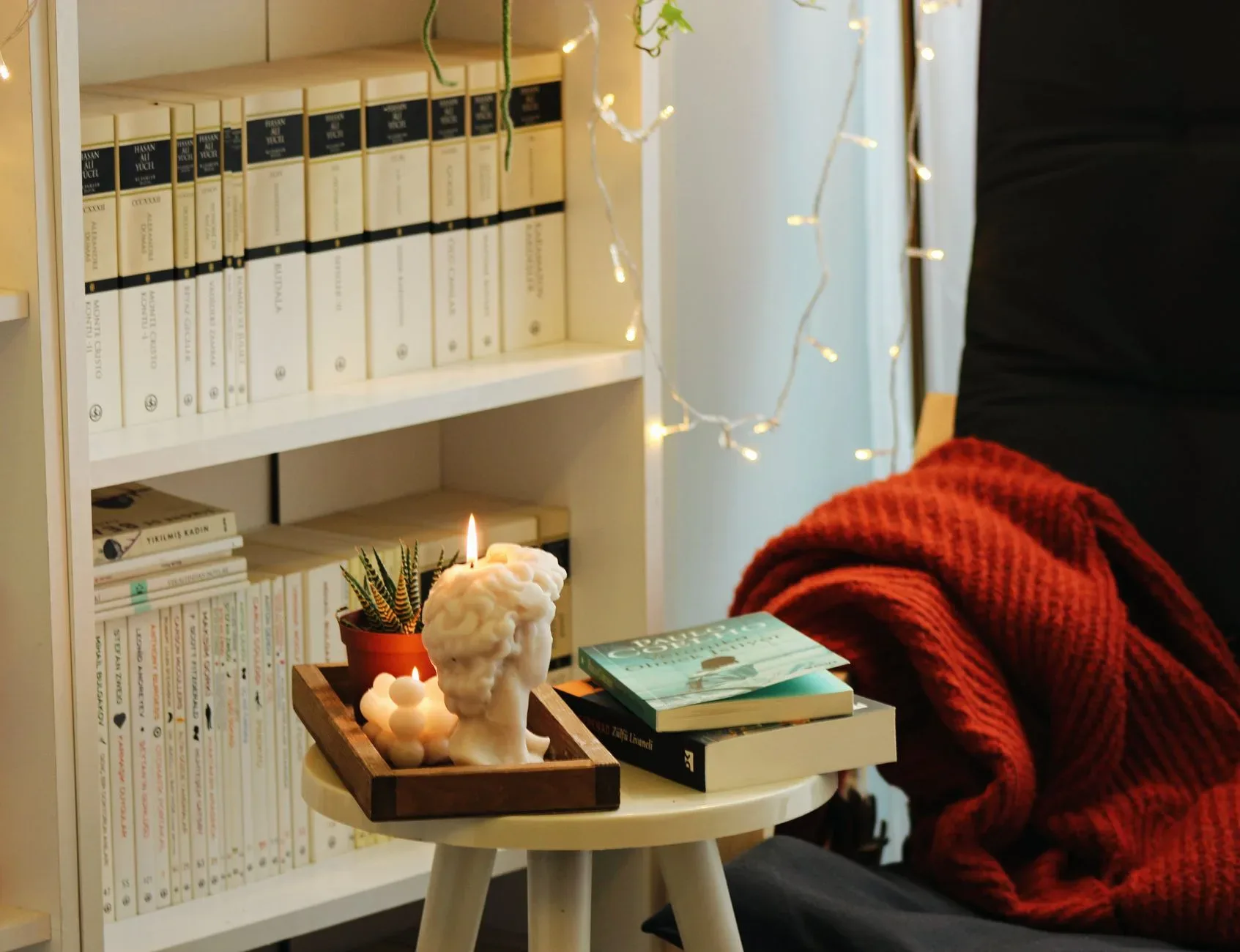
Image credits – Mayıs on Pexels
Turn an open bedroom corner into a reading spot with a supportive chair, small table, and dedicated lamp. Add a throw within reach and keep a few current books in a basket. Place the chair where daylight is pleasant without creating glare on the page.
Measure the chair’s full footprint, including any recline or footrest, before buying. In a small room, a compact upholstered chair may work better than a bulky armchair. Keep the nook clear of laundry so it remains ready for reading and quiet breaks.
Amazon find: Compact Upholstered Reading Chair
Check seat height, depth, back support, and overall dimensions. Choose comfort and fit before decorative details.
15Soften the Windows With Flowing Curtains

Image credits – Max Vakhtbovych on Pexels
Long curtains bring fabric texture to the room and soften the outline of the windows. Choose cream, oatmeal, or another shade that connects with the bedding. Hanging panels above the window frame can emphasize height when the wall space and mounting conditions allow it.
Layer light-filtering curtains with blackout panels if you want flexible control over daylight and privacy. Measure for panels that skim the floor rather than gathering in walking areas. Keep fabric clear of heaters, vents, and any equipment with required clearance.
Amazon find: Neutral Blackout Curtain Panels
Choose the length and total panel width for your window. Check the lining, hanging style, and care instructions before ordering.
Shopping Checklist for a Calming Zen Bedroom
Use this list to identify what would improve your room most. Start with comfort, lighting, and window coverage, then consider optional accessories.
| Item | Best For | Amazon Search |
|---|---|---|
| Neutral duvet cover | Creating a coordinated bedding base | Shop on Amazon |
| Textured throw | Adding a useful fabric layer | Shop on Amazon |
| Dimmable bedside lamp | Flexible reading and evening light | Shop on Amazon |
| Compact wood nightstand | Keeping bedside necessities within reach | Shop on Amazon |
| Blackout curtain panels | Controlling outside light and privacy | Shop on Amazon |
| Storage basket | Holding extra throws or reading materials | Shop on Amazon |
Frequently Asked Questions
What is Zen-inspired bedroom decor?
In decorating, a Zen-inspired bedroom usually means a restrained, comfortable space with simple arrangements, natural textures, and coordinated colors. You can adapt that look to your own taste without removing every personal object or following a specific spiritual practice.
How can I make my bedroom calmer on a budget?
Clear crowded surfaces, rearrange furniture, and coordinate bedding you already own. Move a suitable lamp or throw from another room, then purchase only what solves a practical problem. Cushion covers and curtains can refresh the look without replacing large furniture.
Which colors work well in a calming bedroom?
Warm white, oatmeal, pale sage, washed blue, muted blush, and soft clay are useful options. Choose shades that you enjoy and that coordinate with the room’s existing finishes. Test them under your actual lighting before making a larger change.
Can a small bedroom feel like a peaceful retreat?
Yes. Focus on a comfortable bed, useful lighting, and furniture that fits. Keep walking routes open and use drawers or baskets for everyday items. A coordinated duvet and simple window treatment can make the room feel complete without adding extra furniture.
Do all the wood finishes in my bedroom need to match?
No. Different wood finishes can work together when they share compatible undertones. Repeat one finish in a smaller detail, such as a frame or tray, and use coordinated textiles to connect the larger pieces. Keep the mix limited enough that each piece feels intentional.
Final Thoughts
A calming Zen bedroom comes together through choices that make the space comfortable and easy to use. Soft bedding, coordinated colors, natural wood, and useful lighting can refresh the room without a complete makeover.
Begin with the change you will appreciate every day. Clear your nightstand, improve the bedside light, or simplify your bedding, then add other details as your budget allows. Let your own comfort guide the finished room.