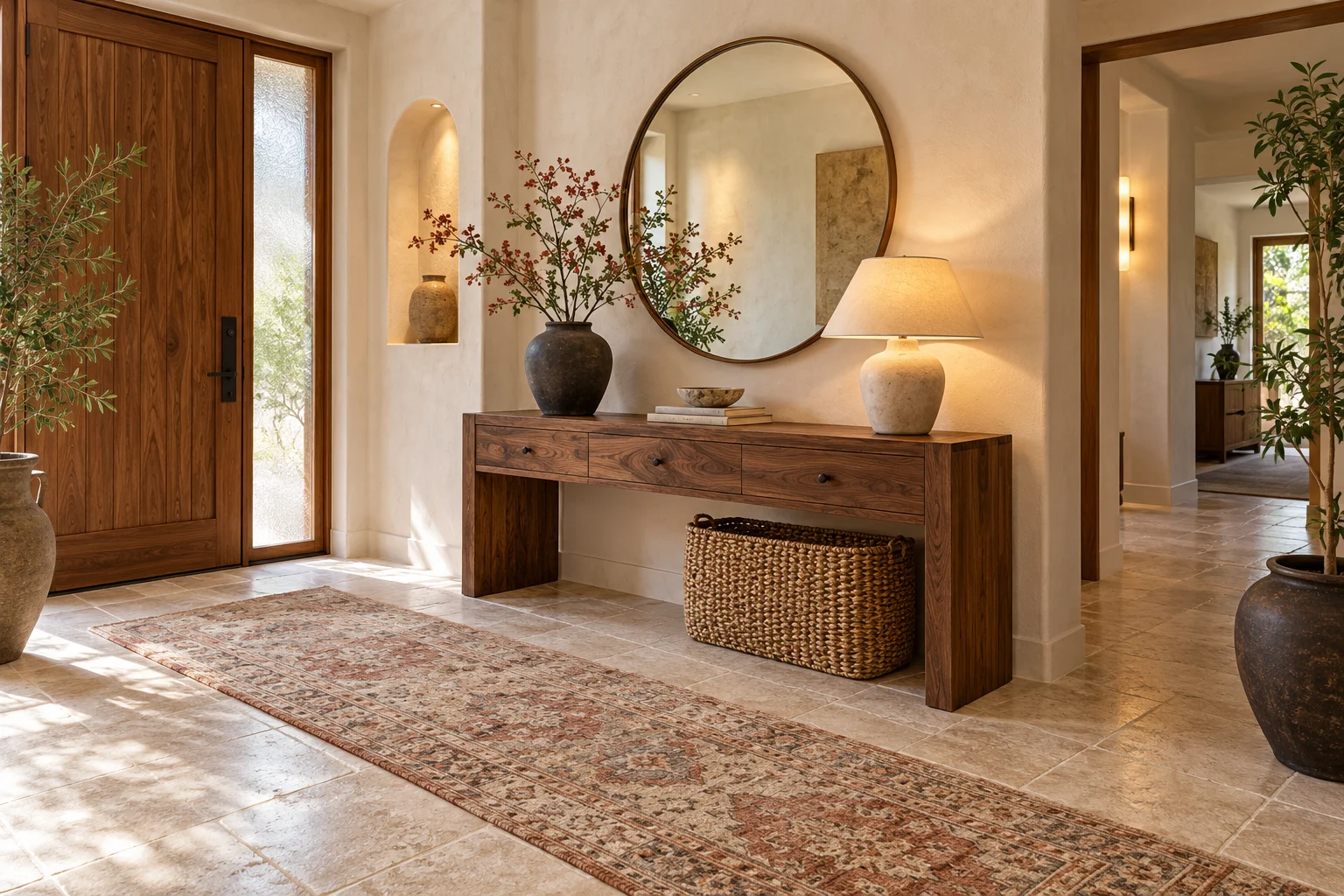
A calm home is one that feels comfortable to live in. You can find your book without searching through a pile, settle into a supportive chair, and soften the lighting when the day slows down. Small, thoughtful changes often make these everyday moments more enjoyable.
These Zen home ideas combine inviting bedroom details with simple decorating choices you can use throughout the house. Think creamy colors, natural materials, tidy storage, gentle patterns, and a few carefully chosen accessories.
You will find 14 practical ideas, room-by-room styling guidance, color palettes, and useful shopping suggestions. Start with the area you use most, then build a peaceful look that fits your home and budget.
Related Ideas for Your Quiet Retreat
Quick List: 14 Zen Home Ideas
- Create a comfortable chair corner.
- Add a gentle scent if you enjoy fragrance.
- Use creamy shades as a soft foundation.
- Make an outdoor view part of the room.
- Choose a low-profile bed that suits you.
- Prepare your bed for an inviting evening.
- Keep the bedroom comfortably cool.
- Favor solid fabrics and subtle patterns.
- Bring in natural materials and small collections.
- Choose restful accent colors.
- Use closed storage to simplify the view.
- Balance daylight with soft evening lighting.
- Organize cables and tuck away unused tech.
- Introduce the gentle sound of water.
How to Make Your Home Feel Calm
Begin with the parts of your room that affect everyday comfort: seating, walking routes, lighting, and storage. Decorative finishing touches work best when these basics already make sense. A pretty corner will get more use when you can reach the lamp and set down a cup easily.
In this guide, Zen-inspired decor means a simple, thoughtful look with natural textures and room to breathe. It does not require a specific religious practice, a completely empty home, or a collection of matching accessories.
- Choose one area: Start with a bedside table, reading corner, or living room seating zone.
- Clear unrelated items: Return belongings to their proper rooms before buying organizers.
- Improve comfort: Adjust seating, bedding, temperature, or lighting according to how you use the space.
- Repeat a few colors: Choose a neutral foundation and one or two gentle accents.
- Add texture: Bring in wood, cotton, linen, stone, or a woven detail.
- Keep maintenance simple: Give daily essentials an accessible home and leave useful surfaces clear.
Match the Decorating Approach to Your Room
| Area | Best Pieces to Use | Why It Works |
|---|---|---|
| Bedroom | Comfortable bedding, shaded lamps, closed nightstand | Makes the evening setup comfortable and easy to use. |
| Living room | Supportive seating, subtle textiles, cabinet storage | Balances a quiet look with everyday family needs. |
| Window corner | Compact chair, adjustable window covering, plant | Connects a useful seating area with daylight and the view. |
| Entryway | Closed shoe storage, key drawer, simple wall art | Contains incoming clutter while keeping the route clear. |
| Covered outdoor nook | Weather-suitable seating, planters, optional fountain | Creates a comfortable place to enjoy outdoor surroundings. |
14 Ways to Create a Calmer Home
1Create a Comfortable Chair Corner
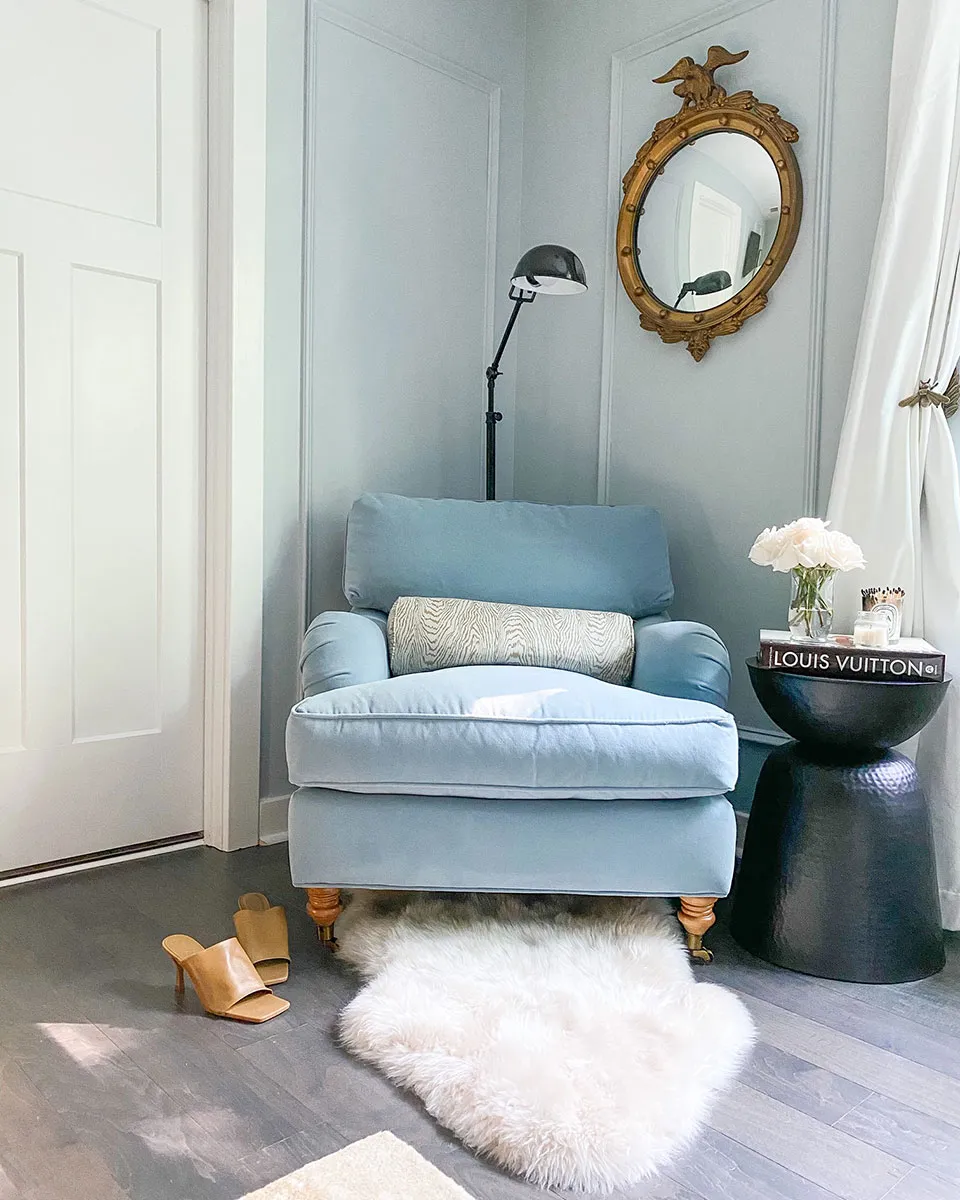
Image credits – Brexton Cole Interiors
Give yourself somewhere inviting to sit outside the bed or main sofa. A supportive armchair with a soft throw can turn an unused bedroom corner into a reading spot. Add a small table within reach for a book, glasses, or a cup of tea.
Choose the chair for comfort as well as size. Check the seat height, back support, and space needed to stand up. In a smaller home, refresh an existing chair with a washable cushion cover rather than adding another piece of furniture.
2Add a Gentle Scent if You Enjoy Fragrance
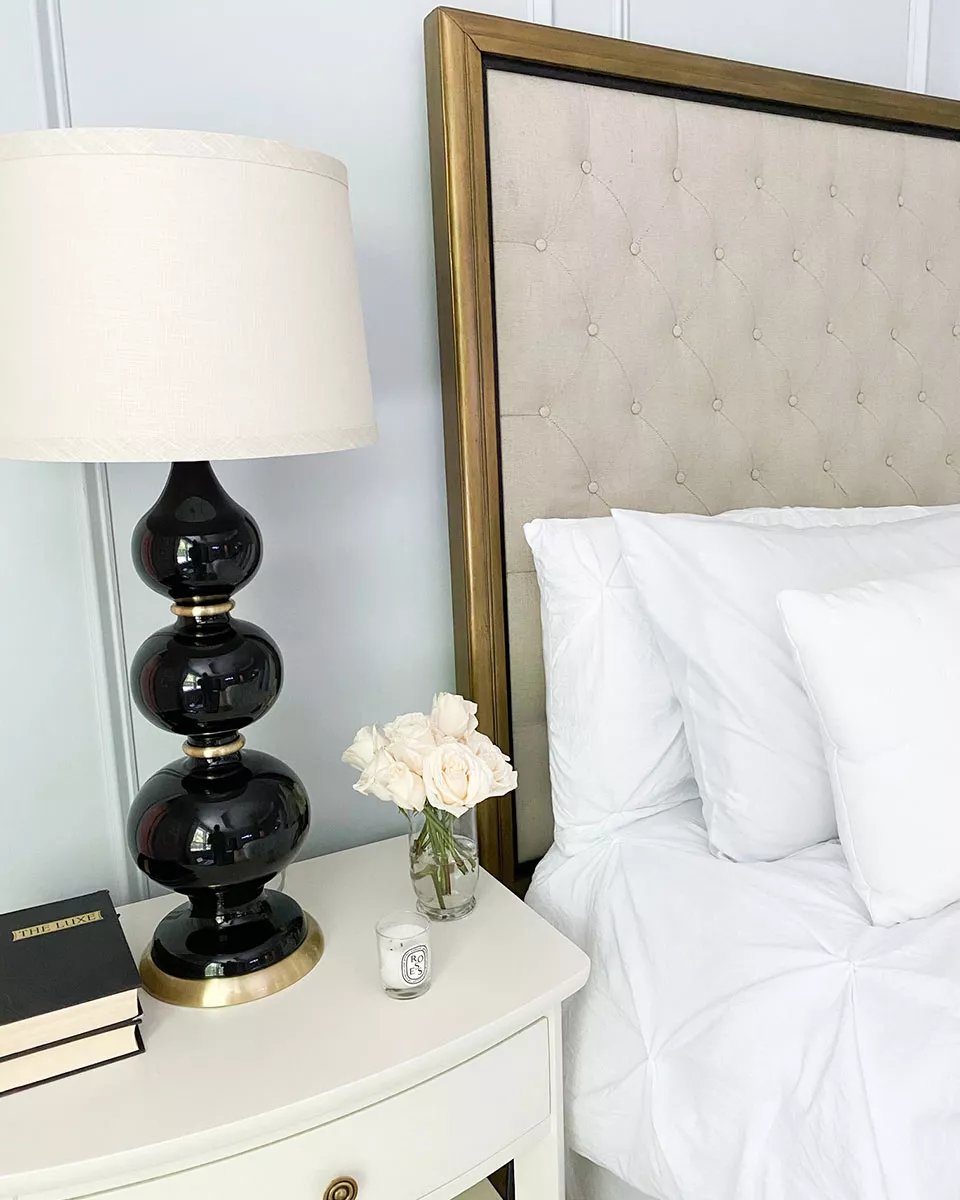
Image credits – Brexton Cole Interiors
A light fragrance can be a pleasant finishing touch for a quiet room. Choose one scent you genuinely enjoy rather than mixing candles, sprays, and diffusers. A small vase of lightly scented flowers is another option if it suits your household.
Keep fragrance optional and subtle. Follow product instructions, ventilate the room, and skip scented products if they cause discomfort. Check suitability around children and pets before using essential oils. For candlelight without fragrance or an open flame, choose an unscented flameless candle.
3Use Creamy Shades as a Soft Foundation
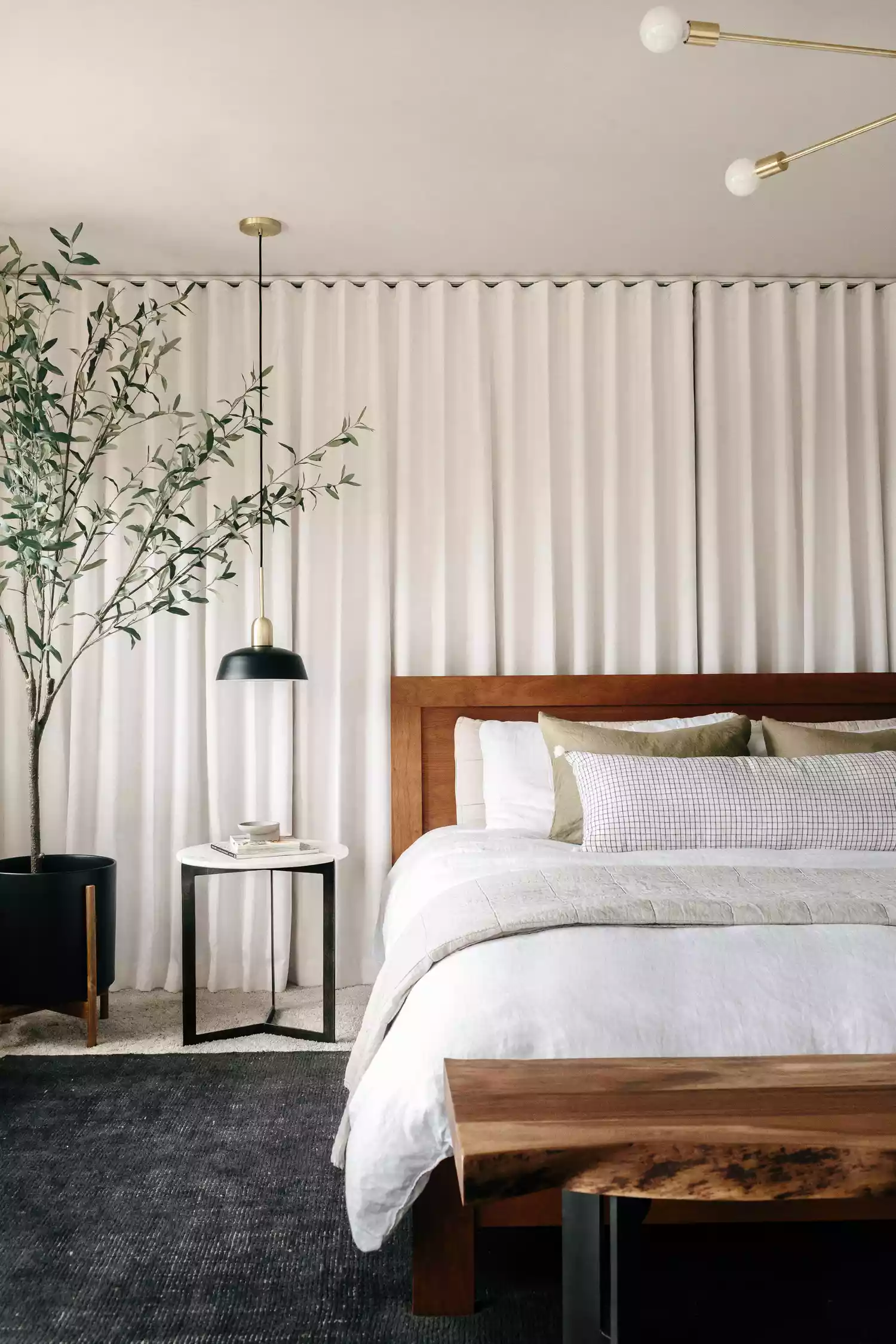
Image credits – Cathie Hong Interiors
Cream can give walls, curtains, and bedding a gentle background while working beautifully with wood and woven textures. Choose a shade that complements your flooring and furniture. Some creams lean yellow, while others have a quieter beige or gray undertone.
Test paint samples beside your largest pieces and check them at different times of day. If repainting is not practical, use cream cushion covers, a bedspread, or curtain panels. Include a slightly deeper tone, such as taupe or walnut, to give the room definition.
Amazon find: Cream Cotton Cushion Covers
Neutral covers can refresh cushions you already own. Check the insert size, fabric composition, and washing instructions before choosing a set.
4Make an Outdoor View Part of the Room
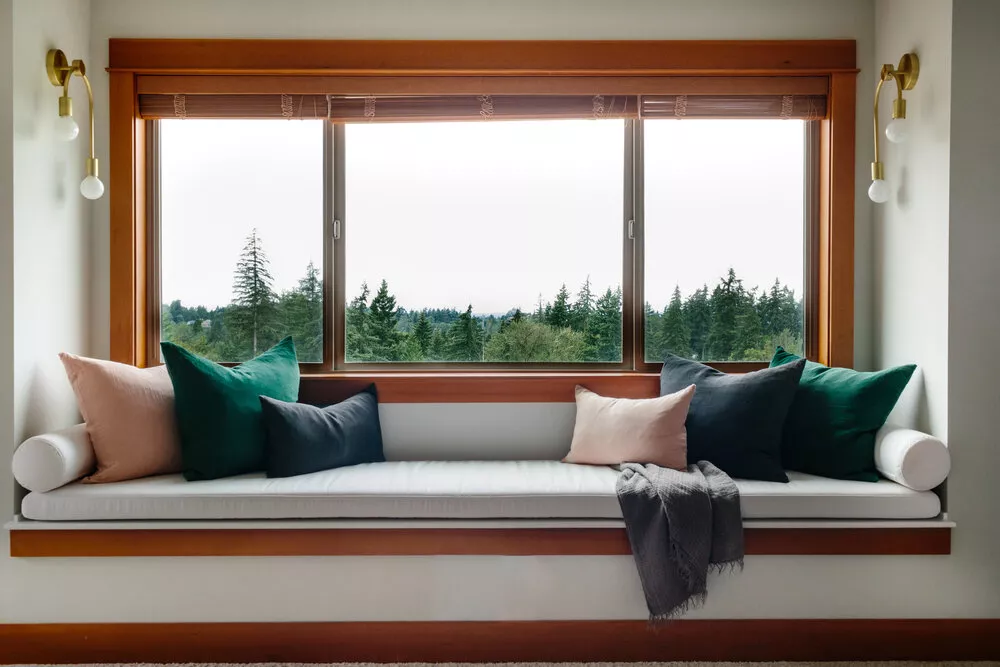
Image credits – Cathie Hong Interiors
Arrange a chair or seating area so you can enjoy a garden, trees, or a patch of sky. Keep tall furniture from blocking the view, and use adjustable shades to manage privacy and glare. Even a modest window can become a lovely focal point.
If you have a balcony, a comfortable outdoor chair and a few suitable planters can extend the retreat. Keep access routes open and follow any building rules for containers. Where the view is limited, place a suitable houseplant near the window without crowding the glass.
5Choose a Low-Profile Bed That Suits You
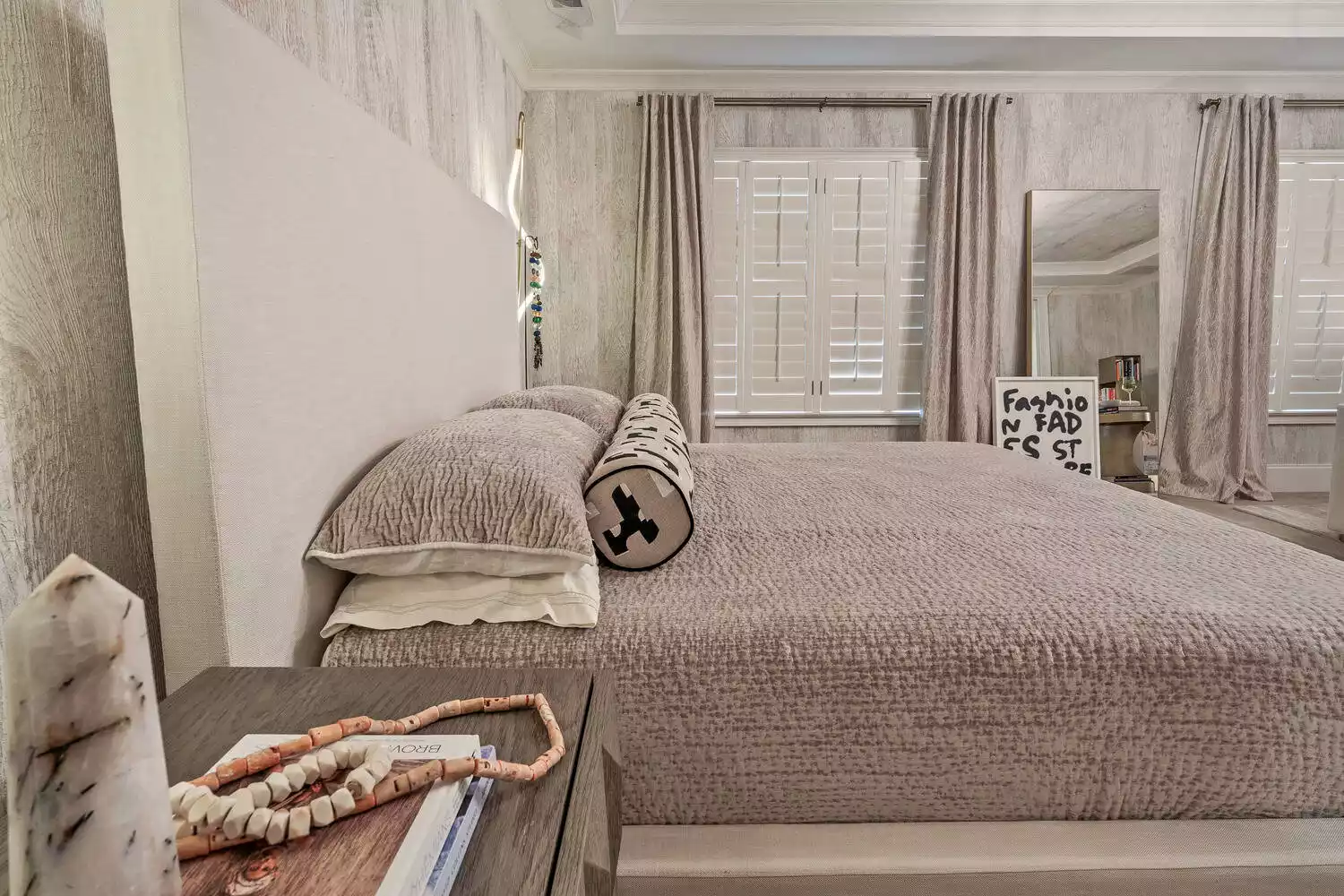
Image credits – Forbes + Masters
A low-profile bed can give a bedroom a simple, grounded appearance. Look for a frame with clean edges, a restrained headboard, and proportions that fit the room. Wood adds natural texture, while plain upholstery introduces softness.
Check the finished height with your mattress in place before buying. You should be able to get in and out comfortably. If a low bed is impractical, keep your existing height and create the same understated look through simpler bedding and coordinated nightstands. Follow the mattress and frame requirements for support and ventilation.
6Prepare Your Bed for an Inviting Evening
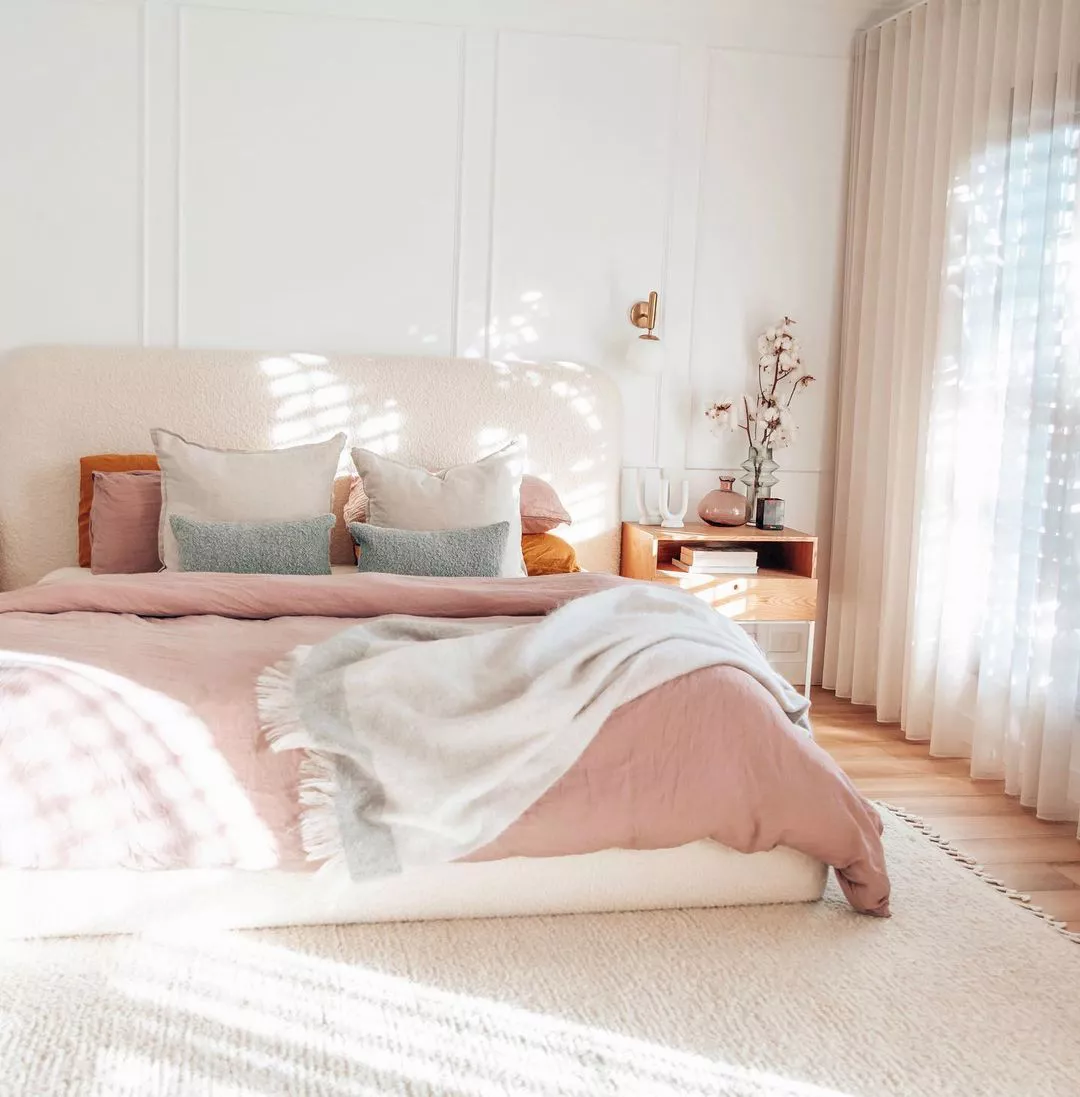
Image credits – houseofharvee / Instagram
Make the bed easy to settle into by removing decorative cushions, folding back the top layer, and placing your everyday pillows in position. Leave a light blanket nearby if you like an extra layer. This small reset gives the bedroom a cared-for appearance.
Create a proper place for the pieces you remove. Store decorative pillows on a bench or in a basket that stays out of the walking route. Keep the bedside surface ready for a book and water, and choose bedding that feels comfortable and is easy to wash.
7Keep the Bedroom Comfortably Cool
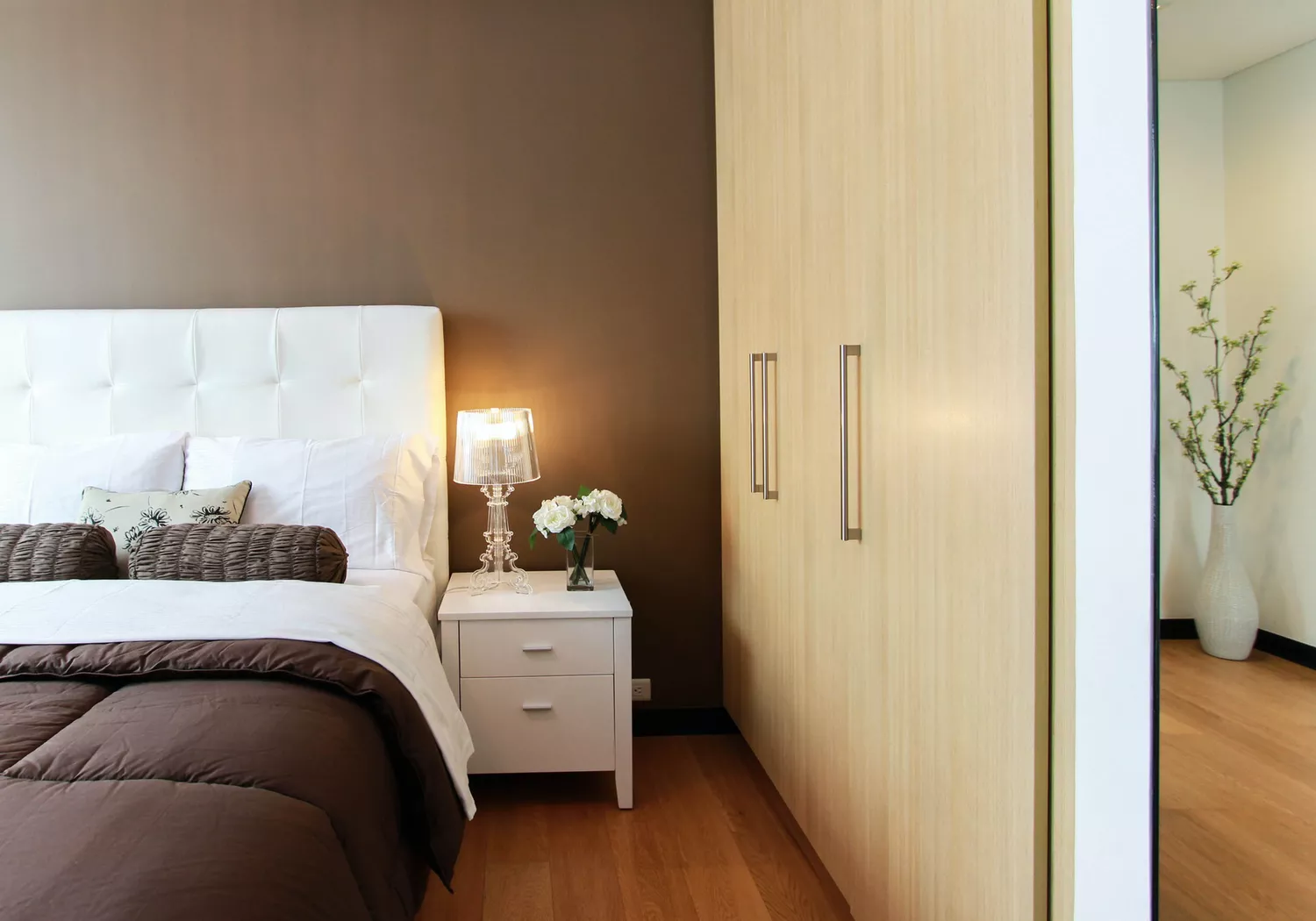
Image credits – marywhitneyph / Pexels
A room can look inviting but feel uncomfortable if it is too warm or stuffy. Adjust your fan or air conditioning to suit your preferences, and choose bedding layers that are easy to add or remove. A lightweight top layer may be more practical than a heavy decorative comforter.
Place a fan on a stable surface and keep its cord out of the route around the bed. Clean it according to the manufacturer’s instructions and consider its sound before choosing a model. If you open windows, account for outdoor conditions, security, and household safety.
Amazon find: Compact Fan With Adjustable Speeds
An adjustable fan lets you tailor airflow to your room. Compare dimensions, noise information, cleaning access, and cord length before buying.
8Favor Solid Fabrics and Subtle Patterns
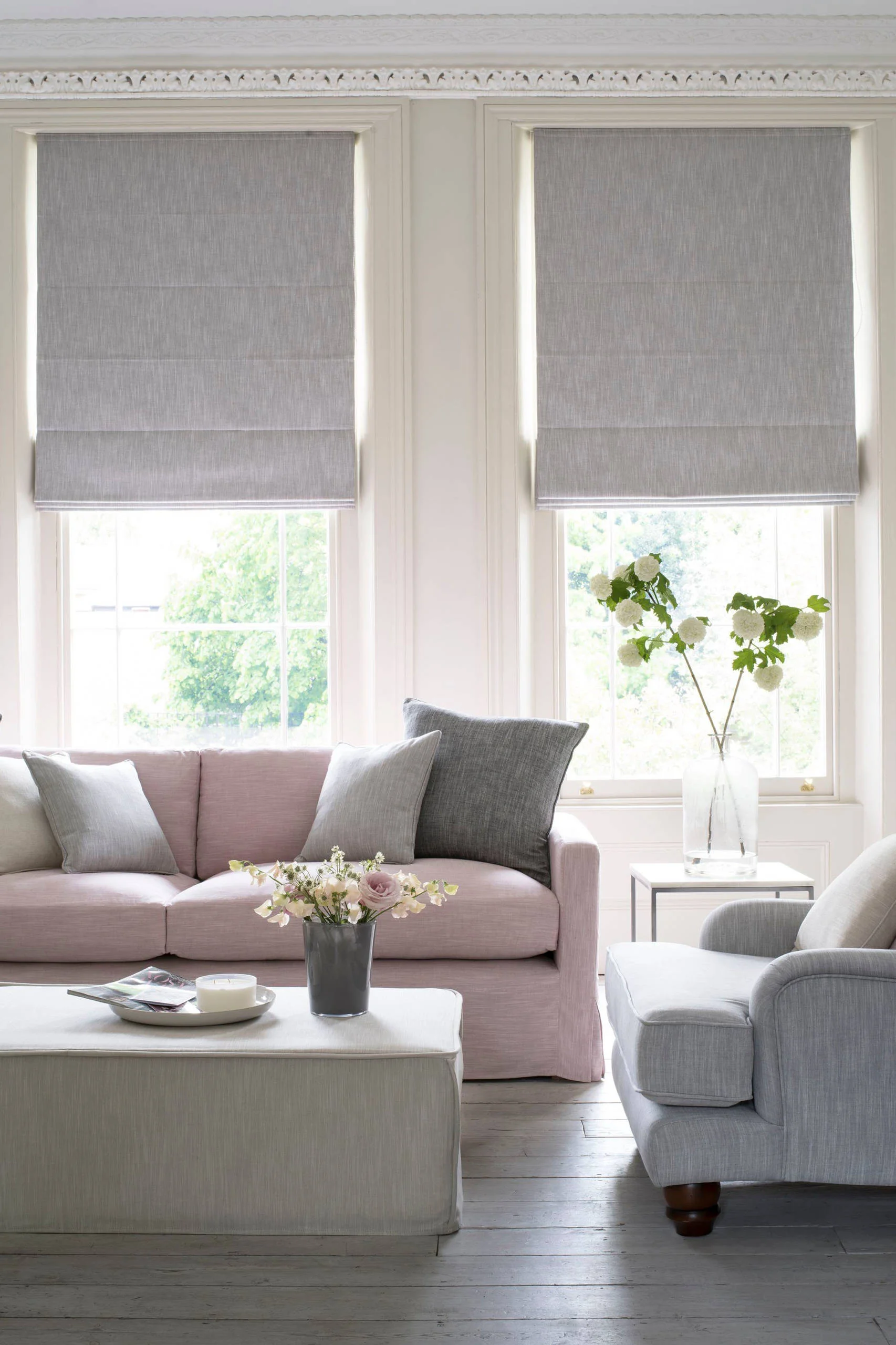
Image credits – Clarke & Clarke
Use solid colors on larger fabric surfaces, such as curtains, bedding, or the sofa, then introduce a quiet pattern in a smaller piece. Fine stripes, a subtle herringbone weave, or a tone-on-tone design can add interest without dominating the room.
You do not need to replace every patterned item. Balance a patterned rug with plain cushions, or pair printed curtains with simple bedding. Keep the colors connected across the room so the mix feels intentional. Texture can provide variety when you prefer an almost pattern-free look.
9Bring In Natural Materials and Small Collections

Image credits – Lisa Atkinson
Introduce wood, woven fibers, stone, or cotton through useful pieces. A wooden stool, woven storage basket, or natural-fiber rug can add warmth without extra ornament. Choose finishes and textures that complement the furniture you already have.
Display a small nature-inspired collection in one place, such as a few stones in a shallow bowl or pressed leaves in a frame. Leave space around it so the details remain visible. Choose legally and responsibly sourced finds, and keep small objects away from young children and pets.
10Choose Restful Accent Colors
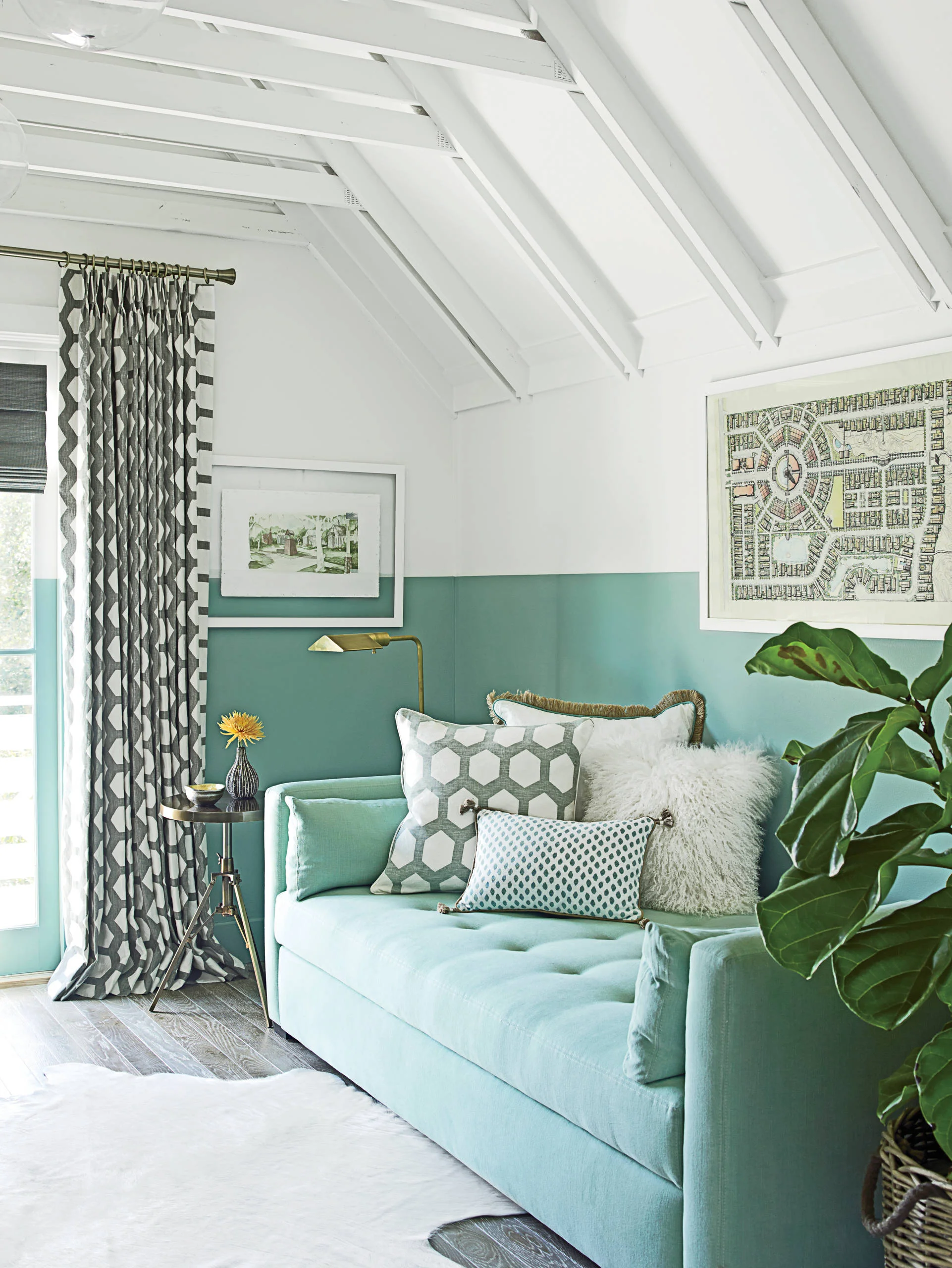
Image credits – Artisan of Seagrove
Build on your neutral foundation with colors you personally find comfortable. Dusty blue and muted green are options, but soft rose, peach, taupe, and mocha can work just as well. A calm-looking home does not have to use the same palette in every room.
Try an accent in a cushion cover or throw before painting a large wall. Repeat it in one smaller detail, such as artwork or pottery, to connect the arrangement. Keep the number of competing colors modest and check how they look beside your existing wood tones.
11Use Closed Storage to Simplify the View
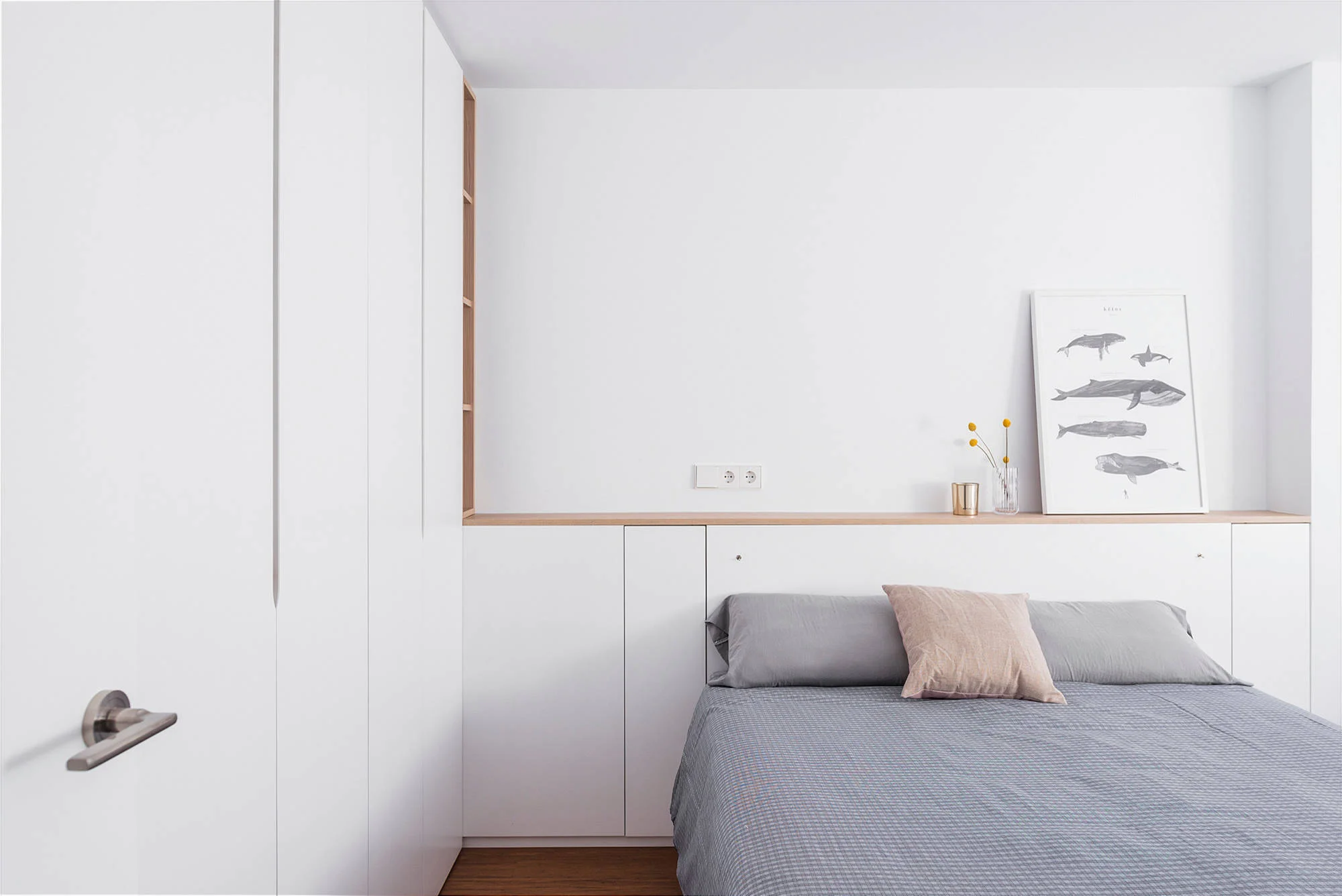
Image credits – Himera Estudio
Cabinets, drawers, and lidded baskets can contain the belongings that make surfaces look crowded. Start with the items that collect most often: mail, chargers, books, toys, or spare blankets. Give each category a nearby home that is easy to access.
Keep a few favorite objects on display rather than hiding everything. A cleared console with one vase or an open shelf with a framed print can still feel personal. Sort belongings before buying storage, and anchor furniture where required by the manufacturer.
Amazon find: Lidded Storage Basket
A lidded basket can hold throws or small accessories beside your seating area. Check interior dimensions and choose a size that leaves the walkway clear.
12Balance Daylight With Soft Evening Lighting
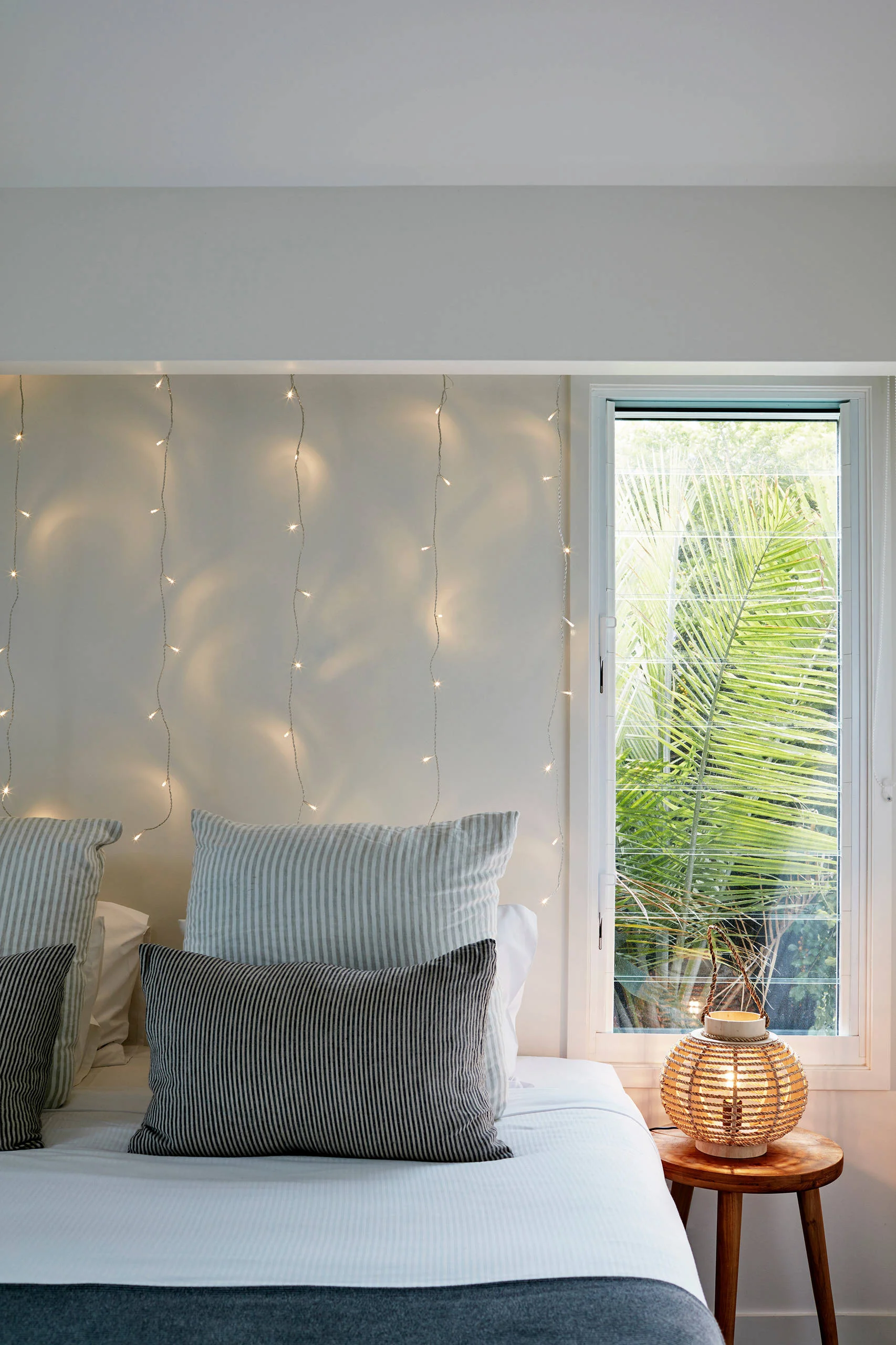
Image credits – Lights4fun
During the day, adjust curtains or blinds to welcome light without uncomfortable glare. Light-filtering panels can soften the window, while a separate privacy or blackout layer may be useful in bedrooms. Keep furniture from blocking the light you already have.
After dark, use shaded lamps or dimmable fixtures to create a gentler setting. A warm-white bulb around 2700K is a useful starting point, but keep enough light for reading and safe movement. Check bulb and dimmer compatibility, and place switches within easy reach.
Amazon find: Table Lamp With a Fabric Shade
A shaded lamp adds useful light beside a chair or bed. Look for a stable base, an accessible switch, and proportions that suit your table.
13Organize Cables and Tuck Away Unused Tech
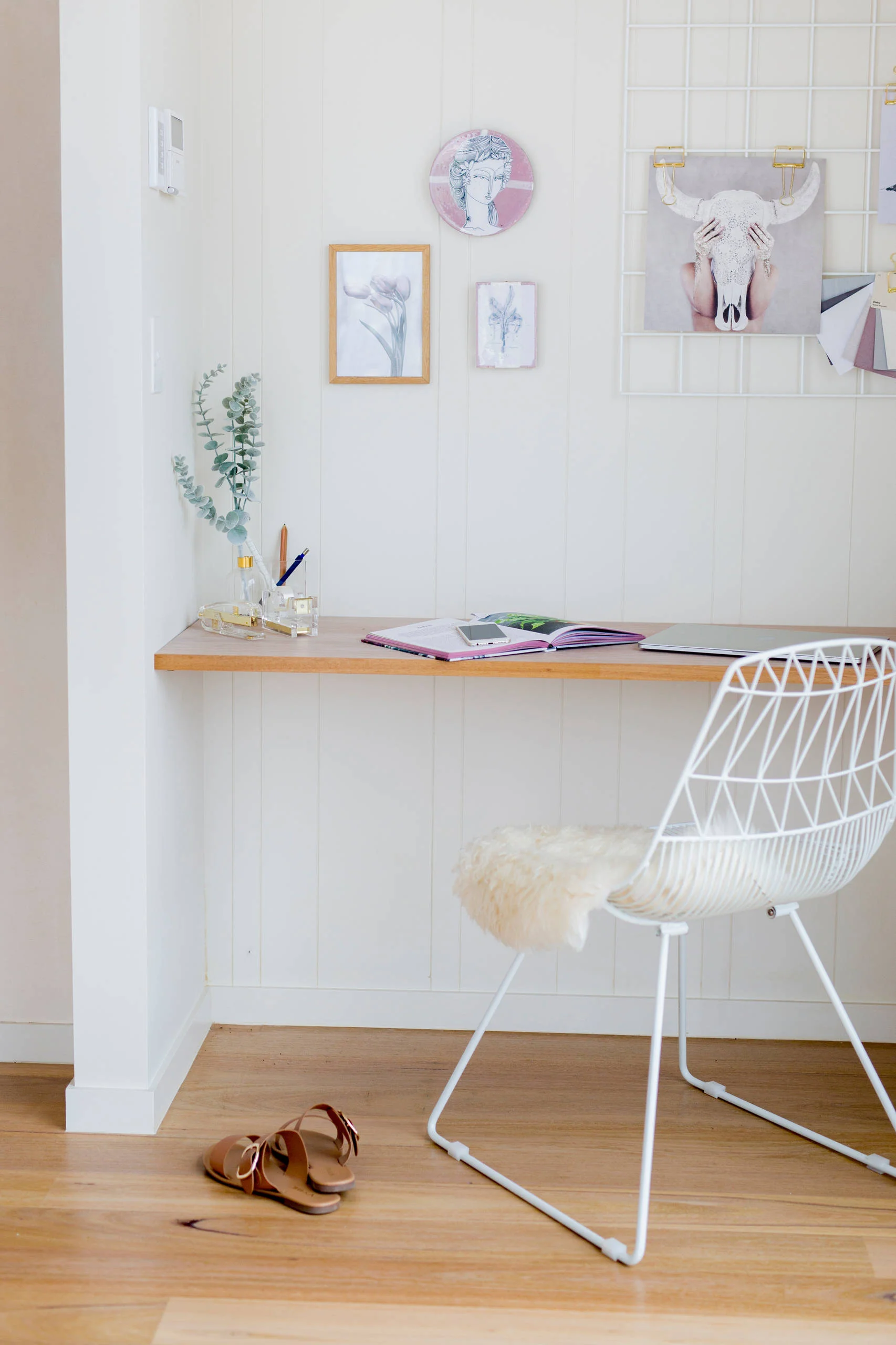
Image credits – H and G Designs
Reduce cable tangles with reusable ties and suitable clips along the back of furniture. Keep unused chargers and small devices in a dedicated drawer. Near the television, a media cabinet can organize accessories while leaving the surface less crowded.
Keep operating electronics and charging devices ventilated according to their instructions. Do not cover power strips with fabric or run cords beneath rugs. For a quiet reading corner, store your phone out of immediate view when practical and keep the table focused on the activity you enjoy.
Amazon find: Reusable Cable Ties and Cable Clips
Simple organizers can keep cables together behind a desk or media unit. Choose clips suitable for the surface and avoid pinching or sharply bending cords.
14Introduce the Gentle Sound of Water

Image credits – LandCrafters, LLC
A small fountain can add a nature-inspired sound to a seating corner, patio, or garden. Choose a design with a gentle flow and consider the pump sound as well as the appearance. A compact tabletop version can work when floor space is limited.
Set an indoor fountain on a stable, water-resistant surface away from electronics, and follow its cleaning and water-level instructions. For a DIY version, use components intended for fountain use and follow their installation guidance. Outdoor pumps need suitable electrical protection and weather ratings; keep all setups safely away from curious children and pets.
Shopping Checklist for a Calm Home
Use this list to fill practical gaps. You may already own most of what you need, so measure your space and check your cupboards before ordering.
| Item | Best For | Amazon Search |
|---|---|---|
| Washable throw blanket | Adding comfort to a chair | Shop on Amazon |
| Light-filtering curtains | Softening daylight | Shop on Amazon |
| Shaded table lamp | Evening reading and bedside lighting | Shop on Amazon |
| Lidded basket | Containing everyday clutter | Shop on Amazon |
| Cable organizers | Tidying a desk or media area | Shop on Amazon |
| Small indoor fountain | Adding optional water sound | Shop on Amazon |
Frequently Asked Questions
How do I make my home feel more Zen?
Start with comfortable furniture, clear walking routes, useful storage, and lighting you can adjust. Add a restrained color palette and natural textures, then display a few objects that feel personal. Focus on one room or corner at a time.
Can a small apartment have a calm, Zen-inspired look?
Yes. Use existing furniture, keep everyday items in reachable storage, and avoid blocking windows or walking routes. Plain textiles, one natural accent, and a comfortable chair corner can work without adding much furniture.
Do Zen home colors have to be white and green?
No. Cream, taupe, mocha, dusty blue, muted rose, and soft peach can all suit a restrained decorating scheme. Choose shades that feel comfortable to you and work with your existing furniture.
What is the easiest budget-friendly change to make first?
Clear one frequently used surface and organize the items that normally collect there. Then rearrange an existing lamp or chair to improve comfort. These changes help you see what the room needs before spending money.
Do I need candles, a diffuser, or a fountain?
No. They are optional additions based on your preferences and household needs. Comfortable seating, practical lighting, natural texture, and manageable storage can create a complete calm-home setup on their own.
Final Thoughts
A calmer home grows from details that support everyday comfort. An inviting chair, a prepared bed, soft lighting, and a place for your belongings can make familiar rooms more enjoyable to use.
Choose one of these 14 Zen home ideas and try it with pieces you already own. Let your preferences guide the colors, textures, and optional finishing touches.
Over time, keep the changes that make your home easier to live in. A peaceful space should feel welcoming to you every day.
2 thoughts on “14 Zen Home Ideas to make it Feel Calm”