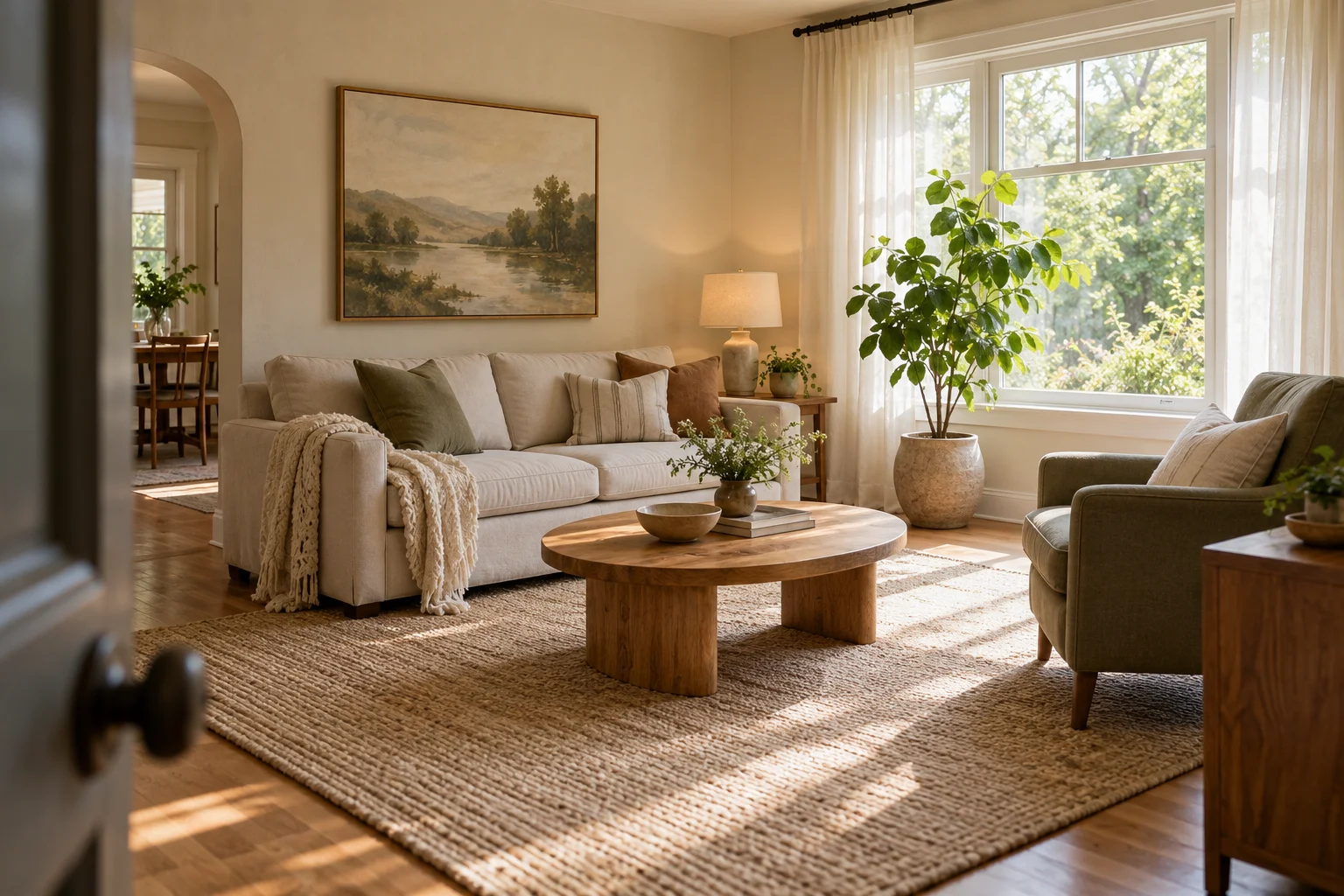
A home can be beautifully decorated and still feel awkward to live in. Shoes crowd the entrance, a dark corner feels forgotten, or the bedroom doubles as a storage room. These simple feng shui rules for your home offer a thoughtful starting point for making everyday spaces feel more welcoming.
Feng shui is a traditional Chinese practice concerned with how people relate to their surroundings. Its ideas about chi, or life energy, provide a framework for arranging a home with intention. Here, we will translate the supplied principles into practical changes involving light, greenery, storage, and comfortable movement.
You will find nine beginner-friendly rules, affordable decorating tips, room-by-room suggestions, and a shopping checklist. Treat the traditional symbolism as inspiration rather than a promise of better health, wealth, or relationships—and adapt each suggestion to your home.
Affiliate note: This article may contain affiliate links. If you buy through these links, we may earn a small commission at no extra cost to you.
More Ideas for a Calm, Comfortable Home
16 (Trending/creative/2026) Christmas Tree Themes
15 Small Corner Wall Gallery Decor Ideas You’ll Love to Try
Cheap Fall Entry Table Decor Ideas | Affordable Console Styling
Quick List: 9 Feng Shui Rules to Try
- Welcome more natural light.
- Bring a little nature indoors.
- Make your bedroom a restful retreat.
- Keep your front door clean and welcoming.
- Care for your stove and use your kitchen.
- Soften a straight view between the front and back doors.
- Give everyday clutter a proper home.
- Clear the approach to your entrance.
- Create a welcoming pause near the stairs.
How to Apply Feng Shui at Home Without a Major Makeover
Start at your front door and walk through your home as if you were visiting for the first time. Notice where you have to step around objects, which spaces feel dim, and whether the furniture makes it easy to reach the places you use most.
Choose one problem to solve before buying anything. Clear the door swing, move a chair away from a window, or empty the bedside table. Small changes are easier to maintain when they improve a routine you already have.
Simple feng shui decorating formula: Clear pathways + useful daylight + comfortable furniture + a natural detail + easy everyday storage.
You do not need to change every room at once. Begin with the entrance, bedroom, or kitchen, then live with the adjustments for a few days. A successful arrangement should make your home easier to use as well as pleasant to look at.
A Practical Room-by-Room Guide
| Area | Best Pieces to Use | Why It Works |
|---|---|---|
| Entryway | Low-profile mat, key dish, slim shoe storage | Creates an easy arrival routine without crowding the doorway. |
| Living room | Light-filtering curtains, one plant, appropriately sized rug | Adds softness and a natural focal point while preserving walking space. |
| Bedroom | Comfortable bedding, bedside lighting, balanced side tables | Supports a room arranged around rest rather than unfinished tasks. |
| Kitchen | Working stove, clear preparation space, organized food storage | Makes cooking and routine cleaning more manageable. |
| Hallway and stairs | Wall art, clear lighting, securely fitted runner where suitable | Introduces visual interest without obstructing movement. |
9 Beginner-Friendly Feng Shui Rules for Your Home
1Let Natural Light Reach Your Living Spaces
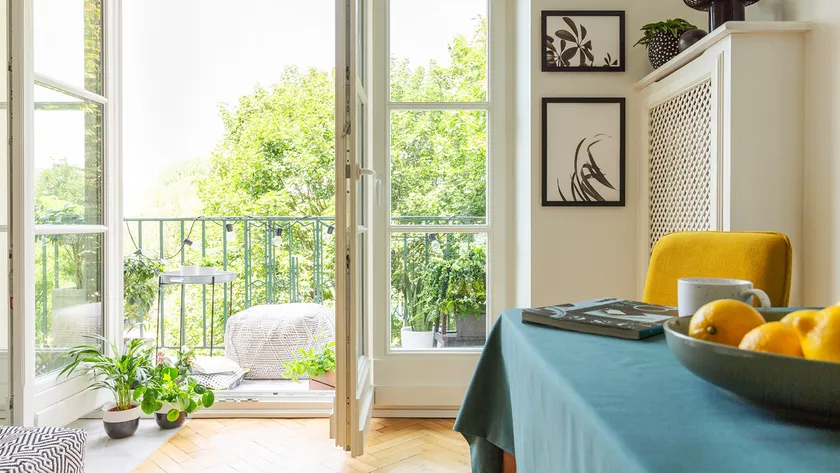
Image credits – @everydayhealth.com
In feng shui, light is associated with an active, welcoming environment. Start by cleaning your windows, opening curtains during the day, and moving tall objects that unnecessarily block the glass. Notice how the daylight changes before rearranging the entire room.
For a dark living room, try light-filtering curtains and pale textiles to make the available light feel more noticeable. Keep privacy, glare, and afternoon heat in mind; layered curtains let you adjust the room throughout the day. Add a lamp where daylight cannot reach.
Budget tip: Clean the glass and clear the windowsill first. You may discover that the room needs fewer new accessories than you expected.
2Add Greenery That Fits Your Home
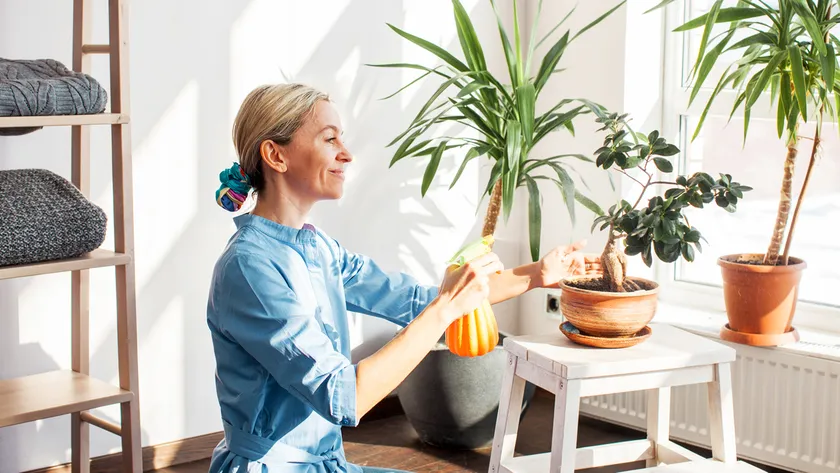
Image credits – @everydayhealth.com
Bringing nature indoors is a central theme in feng shui. One healthy plant can soften a plain room and introduce a living detail without requiring a shelf full of decorations. Place it where its light needs are met and where watering will be easy.
Choose a plant for your actual conditions rather than its appearance alone. If live plants are impractical, a botanical print, natural wood accessory, or carefully chosen faux plant can create a nature-inspired look. Keep pots on protective saucers and leave doorways clear.
Amazon find: Indoor Planter With a Drainage Saucer
A planter with suitable drainage and surface protection helps you add greenery without creating a damp patch on your furniture.
3Arrange Your Bedroom Around Rest
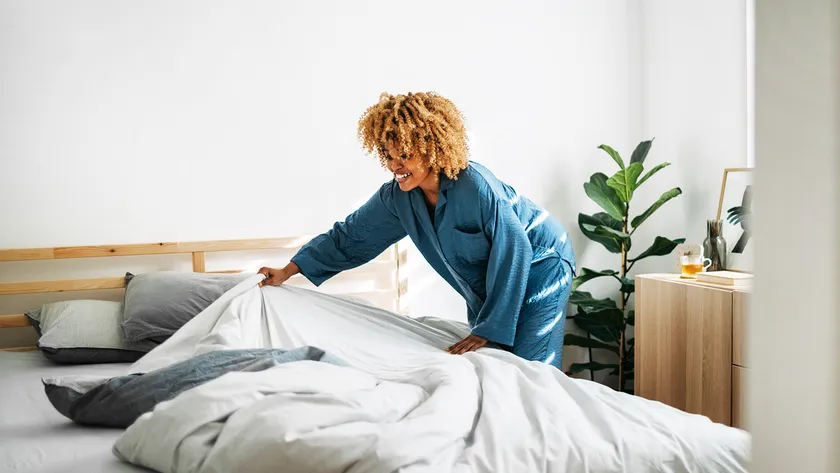
Image credits – @everydayhealth.com
Make the bedroom feel ready for the end of the day. Clear your bedside surfaces, choose comfortable bedding, and use soft lighting for a quieter evening atmosphere. In a shared room, similar side tables or lamps can create visual balance, even if they are not an exact matching set.
Keep the space beneath the bed clear when possible; if you need storage, use tidy containers for bedding. Move work papers and unused electronics elsewhere. Some feng shui approaches discourage mirrors reflecting the bed, so reposition one if the reflection feels distracting rather than removing every mirror automatically.
Small-bedroom tip: A narrow bedside shelf and wall light can provide useful balance when two full-size nightstands would crowd the room.
4Give Your Front Door a Fresh, Welcoming Look
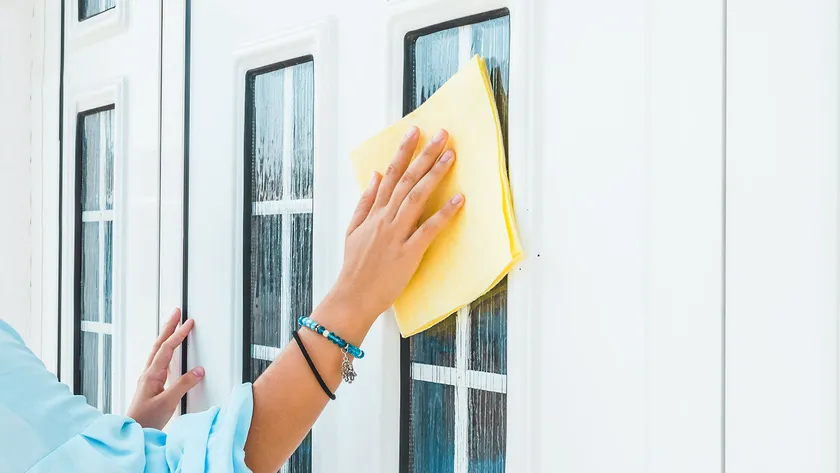
Image credits – @everydayhealth.com
The front door holds special symbolic importance in feng shui as the main entrance for chi. Begin with simple care: wipe down the door, clean the handle, and remove dusty or damaged decorations. Check that the door opens fully without catching on a mat or stored shoes.
Keep the house number easy to read and the immediate doorway well lit. A clean doormat and one modest decorative detail can be enough. If you rent, focus on cleaning and removable accessories instead of changing the door color or hardware.
Amazon find: Low-Profile Entry Doormat
Choose a mat that fits the entrance and allows the door to move freely. Check its thickness, backing, and suitability for your floor or porch.
5Keep Your Stove Clean, Working, and Useful

Image credits – @everydayhealth.com
In feng shui symbolism, the stove is connected with nourishment and resources. Give it regular attention by cleaning spills, keeping the controls accessible, and arranging repairs for faults. Clear enough nearby counter space to prepare a simple meal comfortably.
Use your kitchen in a way that suits your routine, whether that means cooking breakfast or making soup a few evenings a week. There is no need to turn on a burner just to meet a daily rule. Review your refrigerator and pantry too, removing spoiled food and bringing useful ingredients into view.
Practical tip: Store oils, wooden utensils, towels, and decorative objects away from hot burners. A clear stove is easier to clean and safer to use.
6Soften a Straight View From Front Door to Back Door
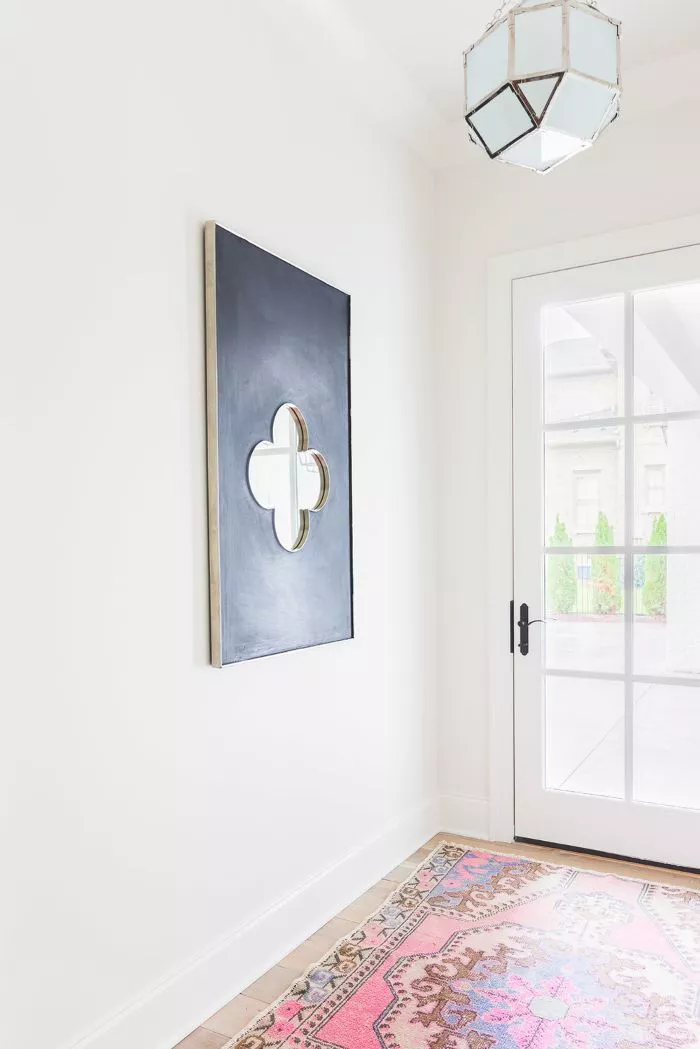
Image credits – @mydomaine.com
Some feng shui teachings describe a direct view between the front and back doors as a route where chi moves through too quickly. You can respond with a visual stopping point: a patterned runner, a piece of wall art, or a small arrangement beside the route.
A round entry table may suit a spacious foyer, but a narrow hallway usually needs a solution on the wall or floor. Let color and texture create the pause while keeping the physical path clear. You should never have to squeeze around furniture to reach an exit.
Amazon find: Low-Pile Patterned Hallway Runner
A softly patterned runner gives a long passage more visual interest. Measure the hallway and pair the rug with an appropriate pad if needed.
7Create Simple Homes for Everyday Clutter
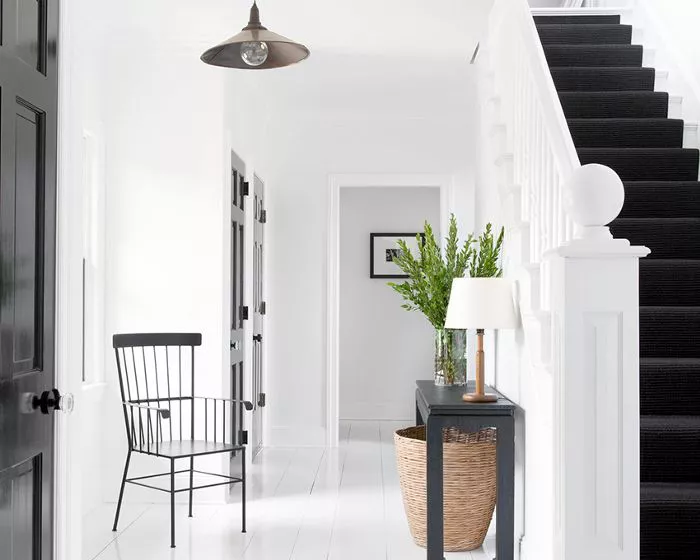
Image credits – @mydomaine.com
Feng shui encourages spaces that feel open and cared for. Start with the objects that repeatedly land in the wrong place: mail on the dining table, chargers beside the sofa, or shoes in the hallway. Give each category a convenient home close to where you use it.
A key dish, small paper file, and basket for throws may solve more than a large storage purchase. Sort belongings before buying containers, then choose storage that is easy to reach. Leave some surfaces empty so you can use them without moving a collection of decorative items.
Easy reset: Spend five minutes each evening returning loose items to their places. Adjust the storage if the same pile keeps coming back.
8Make the Route to Your Entrance Easy to Navigate
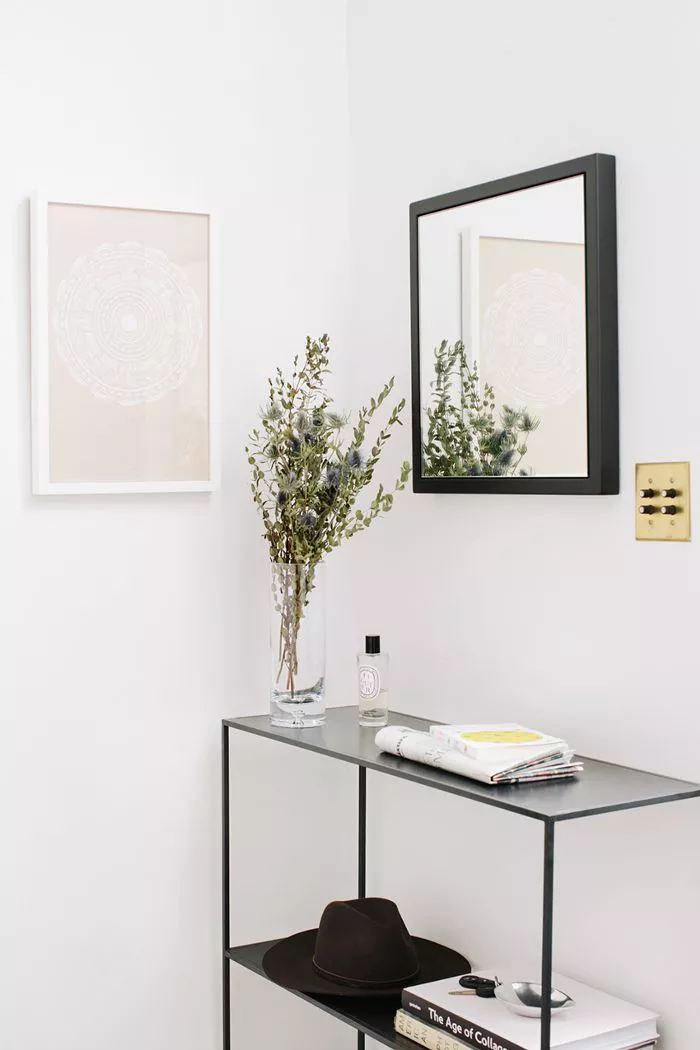
Image credits – @mydomaine.com
Beyond the door itself, consider the entire arrival route. Move bins, packages, and oversized planters away from the approach. Inside, keep bags and shoes out of the first steps into the home so visitors can enter without immediately dodging obstacles.
If the entrance faces a close wall, brighten it with a light finish or a calm piece of art. A securely mounted side-wall mirror can also make a compact foyer appear more open. Position it to reflect something pleasant; mirror placement varies across feng shui approaches, so choose an arrangement that feels comfortable.
Amazon find: Slim Entryway Shoe Cabinet
Shallow closed storage can organize shoes beside an entrance. Measure the space with its doors open and follow the manufacturer’s anchoring instructions.
9Create a Gentle Visual Pause Near the Stairs
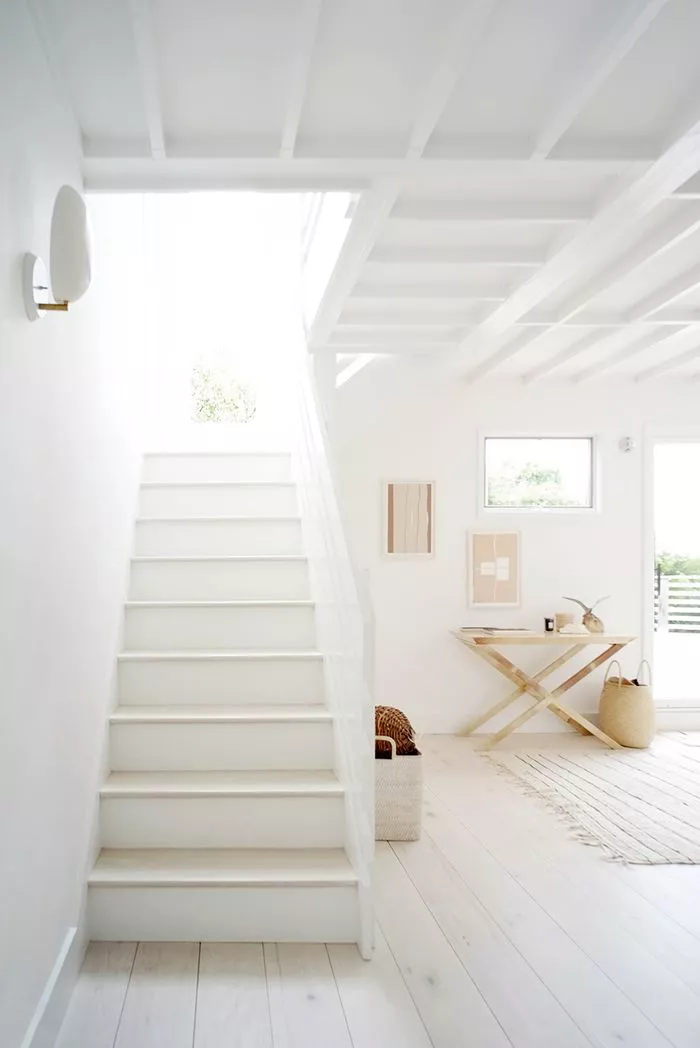
Image credits – @mydomaine.com
When stairs sit close to the front door, some feng shui approaches suggest creating a sense of arrival before attention moves upstairs. A framed landscape on the adjacent wall or a securely fitted stair runner can make this transitional area feel more considered.
On a roomy landing, a grounded visual detail such as an earthy artwork or low cabinet may suit the space. Keep all steps, handrails, and landing routes clear. In a small home, wall art alone can provide the intended focal point without adding another object to the floor.
Styling tip: Repeat one entryway color in the stair artwork or runner to connect the spaces. Do not place candles, pots, or decorative objects on the steps.
Feng Shui Home Shopping Checklist
Buy only for a specific need. Cleaning, rearranging, and using storage you already own should come first; the items below are optional finishing touches.
| Item | Best For | Amazon Search |
|---|---|---|
| Light-filtering curtains | Softening daylight | Shop on Amazon |
| Planter and saucer | Displaying greenery | Shop on Amazon |
| Dimmable bedside lamp | Adjustable evening lighting | Shop on Amazon |
| Low-profile doormat | A tidy entrance | Shop on Amazon |
| Patterned hallway runner | Breaking up a long sightline | Shop on Amazon |
| Small storage basket | Containing everyday loose items | Shop on Amazon |
Frequently Asked Questions
What is the easiest feng shui rule for beginners?
Start by clearing the entrance and making sure the front door opens fully. Cleaning the door, organizing shoes, and improving the arrival route are manageable changes that do not require a room makeover.
Can I apply feng shui in a small apartment?
Yes. Focus on open pathways, useful storage, available daylight, and comfortable furniture proportions. A narrow shelf or wall-mounted light may suit your home better than a large console or matching nightstands.
Do I need to remove every mirror from my bedroom?
No. Some feng shui approaches discourage mirrors reflecting the bed, but advice varies. If a reflection bothers you, try repositioning the mirror. Keep practical needs and your comfort in mind.
Are live plants essential for feng shui decorating?
Live plants are a common way to introduce nature, but they are not essential to creating a comfortable home. If your light or routine makes plant care difficult, use natural materials or botanical art. Faux greenery offers a similar decorative look, though its traditional interpretation varies.
Can I improve my home’s feng shui without buying anything?
Absolutely. Clean the entrance, open curtains, organize food storage, clear bedside surfaces, and move furniture that blocks a route. These changes let you explore the principles before deciding whether any accessories would help.
Final Thoughts
These nine feng shui rules for your home offer a gentle way to reconsider the spaces you use every day. A welcoming entrance, a cared-for kitchen, and a bedroom arranged for rest are useful places to begin.
Choose one small change this week: clear the doorway, bring daylight into a sitting area, or organize the clutter that keeps returning. Let each improvement support the way you actually live.
Your home does not need to look perfect. Give it room to breathe, include details you enjoy, and keep the arrangements comfortable enough to maintain.
2 thoughts on “9 Feng Shui Rules for your Home”