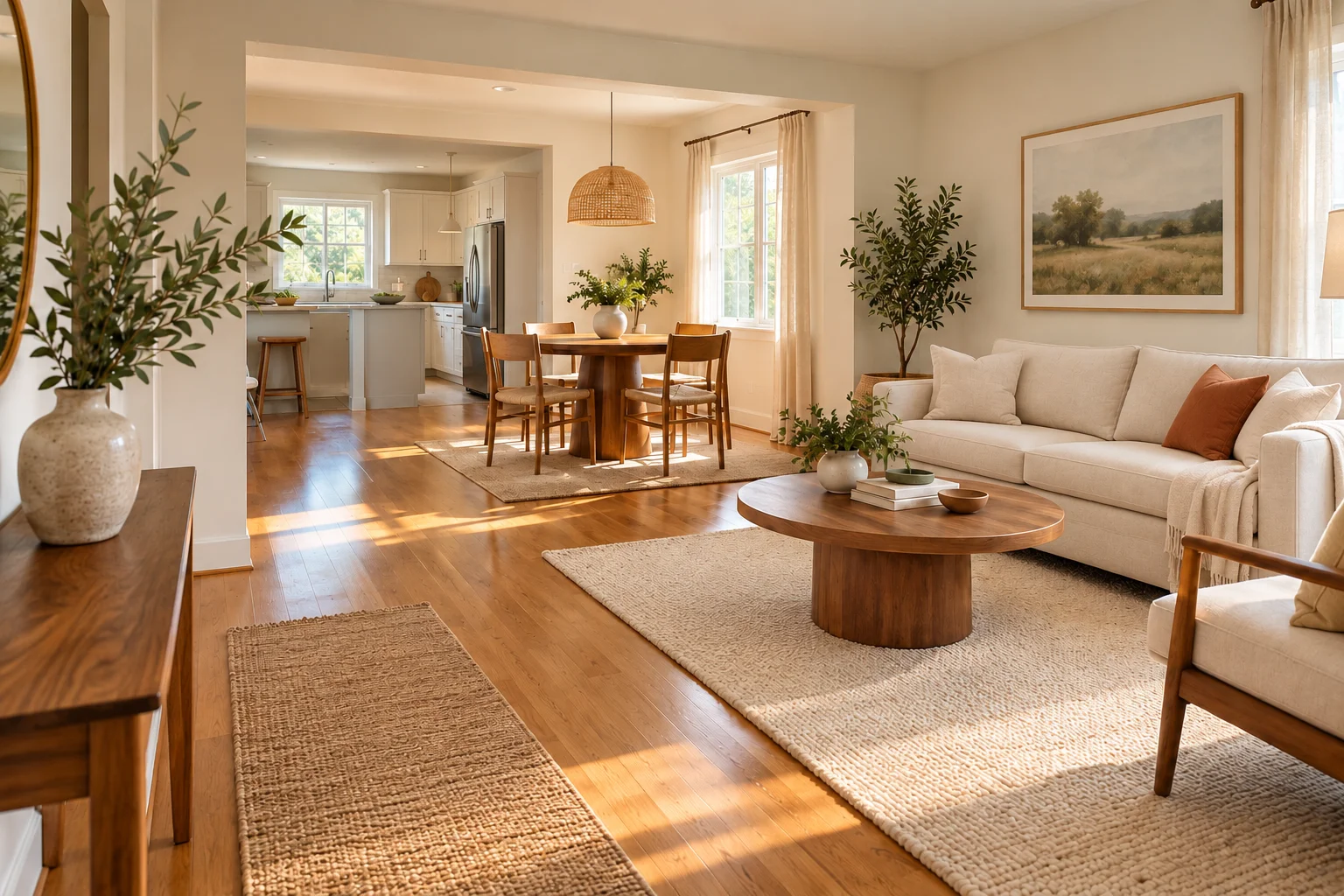
A welcoming home begins with the way each room supports everyday life. An easy-to-use entryway, a comfortable living room, and a restful bedroom can make your surroundings feel more thoughtful without a major renovation.
Feng shui is a traditional Chinese practice concerned with the relationship between people and their surroundings. Its ideas about chi, or life energy, guide furniture placement, room balance, and symbolic details. Different schools interpret these principles differently, so use this guide as an approachable starting point rather than a rigid decorating checklist.
Here, you will find room-by-room feng shui tips, affordable styling suggestions, furniture placement advice, and calming color palettes. Start with the spaces you use most, then adapt the ideas to your layout, needs, and personal taste.
Affiliate note: This article may contain affiliate links. If you buy through these links, we may earn a small commission at no extra cost to you.
More Ideas for a Peaceful Home
12 Cute Small Bedroom Decorating Ideas on a Small Budget
12 Affordable Large Wall Decor Ideas for Living Rooms & Bedrooms
Quick List: Your Room-by-Room Feng Shui Guide
- Create a clear, welcoming entryway.
- Arrange the living room for comfortable conversation.
- Keep the kitchen organized and inviting.
- Make the bedroom a restful retreat.
- Give the dining room a meaningful gathering place.
- Keep the bathroom fresh and well maintained.
- Position your home office for focused work.
How to Apply Feng Shui Throughout Your Home
Before shopping, walk through your home as if you were visiting for the first time. Notice doors that cannot open fully, furniture you squeeze around, surfaces that collect clutter, and rooms with uncomfortable lighting. These observations give you a useful place to begin.
Next, identify the main purpose of each space. A bedroom should support rest, a kitchen should make food preparation easier, and a living room should offer comfortable places to gather. Let that purpose guide what stays, what moves, and what needs better storage.
- Clear the routes: Remove obstacles from entrances, walkways, and frequently used corners.
- Check your main furniture: Consider the position of your bed, sofa, and desk before adding accessories.
- Improve useful lighting: Combine daylight with lamps or task lights suited to the room.
- Balance textures: Mix comfortable fabrics with wood, ceramic, glass, or metal in restrained amounts.
- Add personal meaning: Display a few objects you enjoy rather than filling every available surface.
Simple feng shui decorating formula: Clear pathways + supportive furniture placement + useful lighting + natural texture + a few meaningful details.
A commonly used feng shui idea is the command position: placing a main seat, bed, or desk where you can see the entrance without sitting directly in its path. Treat this as a layout preference and work with your room’s limitations. Comfortable access and safe movement come first.
Choose the Right Starting Point for Each Room
| Area | Best Pieces to Use | Why It Works |
|---|---|---|
| Entryway | Slim shoe storage, key tray, practical light | Makes arriving and leaving easier. |
| Living room | Comfortable seating, soft textiles, rounded table | Supports conversation and comfortable circulation. |
| Kitchen | Drawer organizers, washable storage, task lighting | Protects preparation space and keeps tools accessible. |
| Bedroom | Secure headboard, bedside lighting, closed storage | Creates a visually settled sleeping area. |
| Dining room | Comfortable chairs, low centerpiece, warm lighting | Keeps the table ready for meals and connection. |
| Bathroom | Washable towels, contained storage, suitable plant | Makes cleaning and daily routines simpler. |
Room-by-Room Feng Shui Ideas to Try
1Create a Welcoming Entryway With Room to Breathe

Image credits – elmueble.com
In feng shui, the front entrance is often described as the place where chi enters the home. Begin by clearing delivery boxes, extra shoes, and anything that stops the door from opening comfortably. Add a clean doormat and enough light to find keys and remove shoes without struggling.
Give everyday belongings a specific home: a small tray for keys, hooks for frequently worn coats, and compact shoe storage. If space allows, include a bench and one cheerful focal point, such as a favorite photograph. Some feng shui approaches discourage mirrors directly opposite the entrance; a side-wall mirror offers a practical alternative.
Amazon find: Slim Entryway Shoe Cabinet
A shallow cabinet can contain everyday shoes in a narrow entrance. Check its depth, door clearance, and anchoring requirements before buying.
2Arrange the Living Room Around Connection

Image credits – lbmdesignstudio.com
Position your sofa and chairs so people can talk without twisting toward one another. A loose U-shaped arrangement works well in many rooms, while a small apartment might need only a sofa and one angled chair. Where possible, give the main seat a view of the entrance and a solid wall behind it.
Balance wood furniture and soft upholstery with a few glass or metal accents. Choose a rounded coffee table if sharp corners crowd the walking route, and display only artwork and keepsakes you enjoy seeing. One healthy plant can add natural color when the light suits it; leave enough empty space around accessories for the room to feel comfortable.
Small-space tip: Move an extra accent chair to another room if it blocks circulation. A layout with fewer useful pieces often feels better than one filled with occasional furniture.
3Keep the Kitchen Ready for Nourishment

Image credits – mcgregorhomes
The kitchen is traditionally associated with nourishment and prosperity. Give that symbolism a useful everyday expression by cleaning the cooktop, keeping frequently used tools accessible, and leaving a clear preparation area. Put away appliances you rarely use instead of letting them occupy your best counter space.
Some feng shui traditions discuss balancing the stove’s fire symbolism with the sink’s water symbolism. You do not need to move plumbing or appliances to decorate thoughtfully. Introduce wood or ceramic through a cutting board or utensil holder in a safe location away from heat, then use welcoming colors and effective task lighting to finish the room.
Amazon find: Adjustable Kitchen Drawer Organizers
Organizers help move utensils off the counter while keeping them easy to reach. Measure the inside of your drawers and choose a material you can clean easily.
4Give the Bedroom a Settled, Restful Layout

Image credits – mydomaine.com; livingspaces.com
When your layout allows, place the bed’s headboard against a solid wall with a view of the doorway, slightly out of its direct line. Leave usable access beside the bed wherever practical. In a compact bedroom, prioritize getting in and out comfortably rather than forcing a symmetrical arrangement.
Choose soft bedding, gentle colors, and bedside lighting that suits evening routines. If a mirror reflecting the bed feels distracting, move it to a side wall or inside a closet door. Keep work papers elsewhere when possible, and create a charging spot away from the pillow if phone notifications interrupt your wind-down time.
Budget tip: Matching nightstands are optional. Two existing tables can feel coordinated with similar lamps, a shared wood tone, or matching bedside trays.
5Make the Dining Room a Place to Gather

Image credits – James Merrell
Keep the dining table available for meals, even if it also serves as a workspace. Store laptops and paperwork in a nearby basket before eating, then use comfortable chairs and a low vase of flowers to make the table inviting. Leave enough room to pull chairs out without bumping into storage furniture.
Some feng shui traditions use a mirror reflecting the dining table as a symbol of abundance. If you enjoy the effect, position one where it reflects the gathering area rather than glare or clutter. Choose seating that gives people a comfortable view of the room, and keep centerpieces low enough for easy conversation.
Amazon find: Low Ceramic Bud Vases
A small vase adds color without blocking faces across the table. Choose a stable base and a size that leaves room for serving dishes.
6Create a Fresh, Uncluttered Bathroom
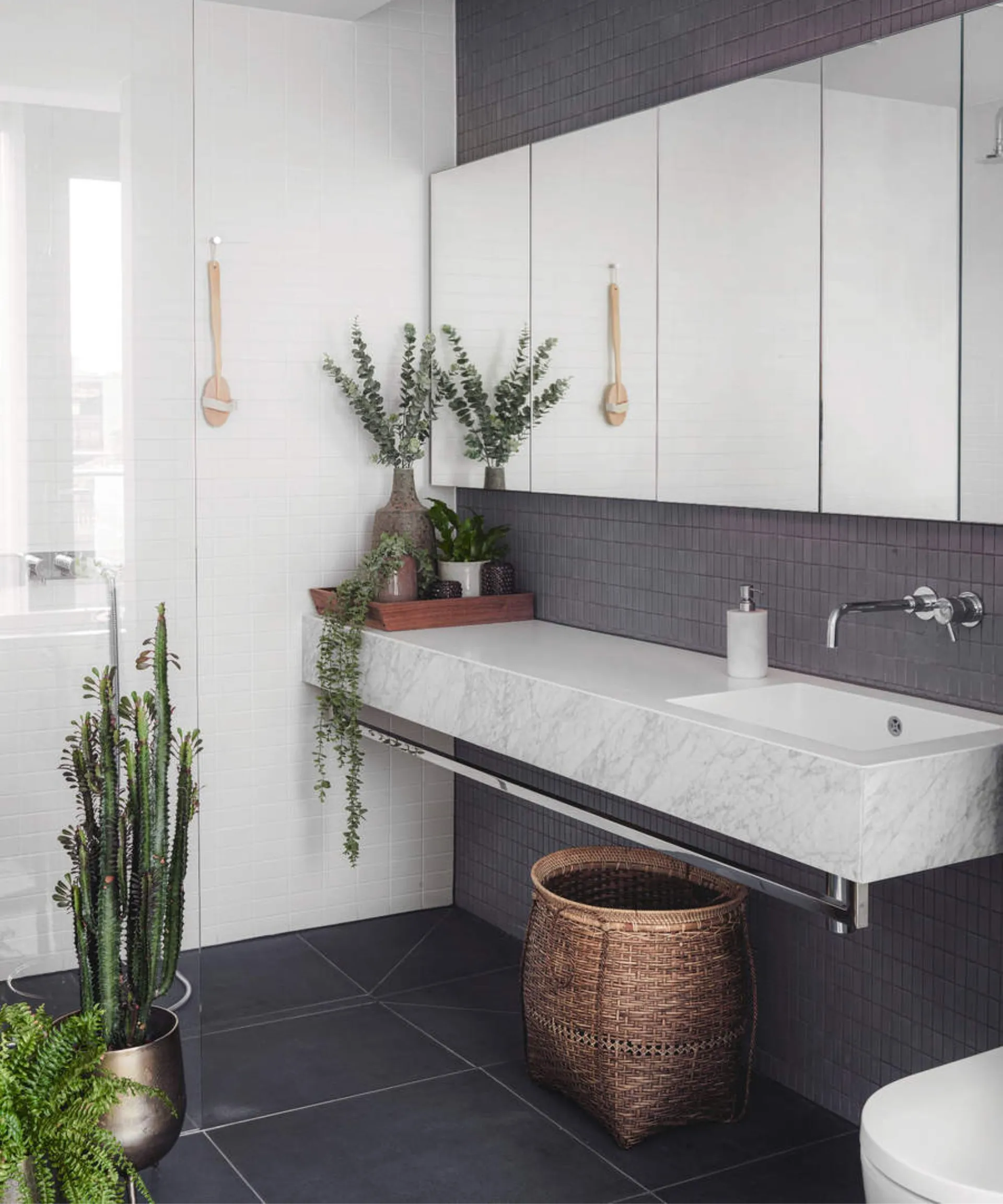
Image credits – Mary Wadsworth
Make bathroom feng shui practical by keeping mirrors clean, putting toiletries into contained storage, and addressing drips or leaks promptly. Use soft towels and a restrained palette to create a simple spa-like mood. Regular cleaning and suitable ventilation matter more than adding decorative objects.
Some traditions connect bathroom drains with energy leaving the home and recommend keeping the toilet lid closed when it is not in use. Treat this as a symbolic custom rather than a financial promise. A living plant on a stable shelf can bring natural texture if the room has suitable daylight; keep it away from splash zones and choose a variety appropriate for your household.
Practical tip: A windowless bathroom may not support a living plant without suitable grow lighting. A botanical print offers an easy decorative alternative.
7Position Your Home Office for Comfortable Focus

Image credits – Lindye Galloway Studio+Shop/Leslie Brown
Apply the command-position idea to your desk by arranging it so you can see the doorway without sitting directly in the route into the room. A wall behind your chair can create a visually supported setup. If the desk must face a wall, make the area pleasant with good lighting and one simple picture.
Protect your working surface from unrelated storage. Keep active papers in one tray, route cables away from walking areas, and place regularly used supplies within reach. In a bedroom office, a cabinet or lidded basket can contain work materials at the end of the day so the room can return to its resting purpose.
Amazon find: Adjustable Desk Lamp
An adjustable lamp lets you direct light onto paperwork. Look for brightness controls and a stable base that fits your desk.
Shopping Checklist for a Thoughtful Home Refresh
Buy only after you have tried rearranging what you already own. The most useful purchase solves a specific problem, such as scattered shoes, poor reading light, or supplies without a storage place.
| Item | Best For | Amazon Search |
|---|---|---|
| Small catchall tray | Keeping entryway essentials together | Shop on Amazon |
| Rounded coffee table | Living rooms with tight circulation | Shop on Amazon |
| Dimmable bedside lamp | Flexible bedroom lighting | Shop on Amazon |
| Washable storage bins | Bathroom and utility supplies | Shop on Amazon |
| Planter with drainage and saucer | Displaying a suitable houseplant | Shop on Amazon |
| Lidded storage basket | Putting away work or hobby materials | Shop on Amazon |
Frequently Asked Questions
Where should I start when applying feng shui at home?
Start with the entryway and the room you use most. Clear obstacles, organize everyday items, and check the position of your main furniture. Finish one manageable area before moving to the next.
Can I use feng shui in a small apartment?
Yes. Focus on clear walking routes, furniture that fits, and storage that supports your routines. A single room can have separate zones for sleeping, working, and relaxing without permanent partitions.
Do I need a bagua map to begin?
You can begin with general room arrangement and organization without a bagua map. A bagua is a framework used to relate areas of a space to symbolic life themes. Different feng shui schools orient and apply it differently, so choose a consistent approach if you explore it further.
Where should mirrors go in a feng shui home?
Choose a position with a pleasant reflection and useful light. Some traditions avoid mirrors directly facing the front door or bed, while dining-room mirrors may symbolize abundance. Check the actual view, glare, and secure mounting before deciding.
What if I cannot move my bed, stove, or desk?
Work with the fixed layout. Improve nearby storage, lighting, access, and visual clutter instead. You do not need an expensive renovation to create a more comfortable room, and symbolic preferences should not override safe appliance placement or practical needs.
Final Thoughts
Learning how to feng shui every room in your home can begin with small, practical decisions. Clear the entrance, make your seating comfortable, keep the kitchen ready to use, and give the bedroom a quieter focus.
Use traditional symbolism where it feels meaningful, while letting your household’s routines guide the final arrangement. A balanced home should be easy to live in and comfortable for the people who share it.
Choose one room this week and make three simple changes: remove an obstacle, improve the lighting, and organize something you use daily. Notice how the space works afterward, then build on what helps.