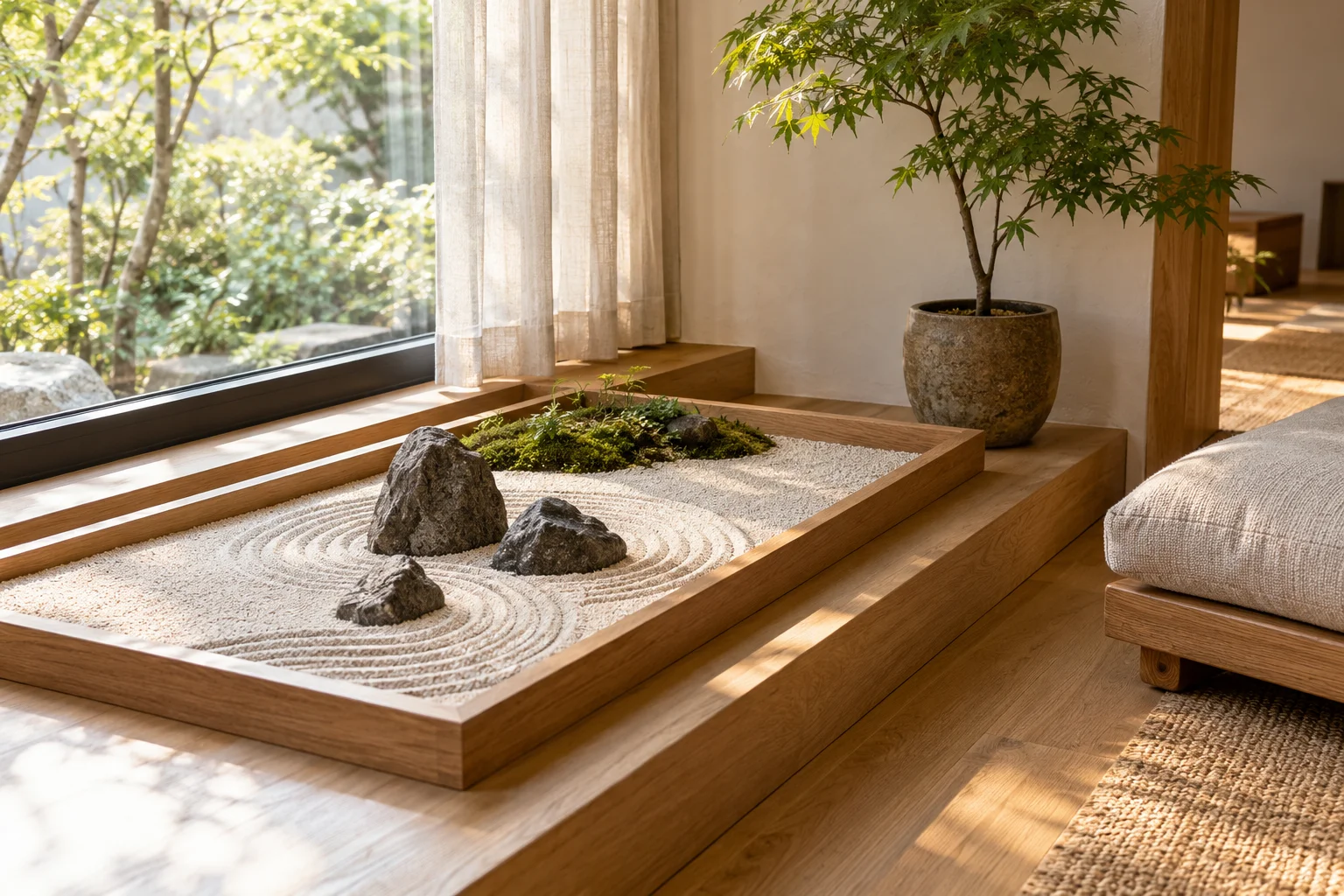
A peaceful garden does not have to begin outside your back door. A stone planter beside a window, a small arrangement of raked sand, or a thoughtfully placed indoor tree can bring natural texture into an ordinary room.
These indoor Zen garden ideas draw on Japanese-inspired garden design, with an emphasis on simple materials, considered placement, and open space. Some focus on dry miniature landscapes, while others use houseplants to create a garden feeling indoors.
You will find practical ways to choose containers, arrange greenery, protect your furniture, and create a calm display that suits your home. Start with one manageable idea rather than buying everything at once.
Affiliate note: This article may contain affiliate links. If you buy through these links, we may earn a small commission at no extra cost to you.
More Ideas for a Peaceful Home
- 16 Zen Garden Ideas for Backyard — extend your garden inspiration outdoors.
- How to Create Spiritual Corner in your Home — make room for quiet reflection.
- 9 Feng Shui Rules for your Home — explore thoughtful furniture placement and clearer spaces.
Quick List: 11 Indoor Zen Garden Ideas
- Pair soft greenery with a stone-textured planter.
- Give an indoor tree a noticeable focal position.
- Group coordinated pots into a miniature garden.
- Capture the delicate outline of a Japanese maple.
- Repeat a restrained palette of plants and materials.
- Create a garden-inspired bathroom corner.
- Build quiet depth with layers and raked patterns.
- Introduce one unexpected natural feature.
- Design a still garden without moving elements.
- Choose a shallow container that suits the arrangement.
- Select plants for your actual indoor conditions.
How to Create an Indoor Zen Garden
First, decide whether you want a dry decorative garden, a living plant arrangement, or a combination of both. A dry tray needs no watering and can sit away from a window. A planted display needs suitable light, drainage, and access for regular care.
Choose a place where you will enjoy the view: a living room console, a bright bedroom corner, or a bathroom ledge with natural light. Measure the available surface and leave room for everyday activities. The garden should make the space easier to enjoy, not harder to use.
Gather a small selection of materials before arranging anything. One container, a few stones, and a single plant can be enough. Place the largest feature first, add smaller details around it, and leave a visible area open.
Simple indoor Zen garden formula: One defined container + one focal feature + a few supporting stones or plants + open space + easy maintenance access.
For a planted version, keep each plant in a suitable pot with drainage holes. A decorative outer container can hide the growing pot, but empty any collected water after watering. Keep dry sand separate from moist potting mix so the decorative surface stays easier to maintain.
Choose an Arrangement for Your Space
| Style or Area | Best Pieces to Use | Why It Works |
|---|---|---|
| Small tabletop display | Shallow tray, decorative sand, two or three stones | Creates a complete miniature landscape in little space. |
| Bright living room | Suitable indoor tree, stone-style pot, smaller companion planter | Adds height and a clear natural focal point. |
| Quiet bedroom corner | One plant, muted container, uncluttered backdrop | Keeps the arrangement visually gentle. |
| Bathroom with a window | Light-appropriate plant, waterproof saucer, sculptural planter | Connects a practical room with natural forms. |
| Area without useful daylight | Dry stone arrangement or convincing artificial foliage | Provides the look without placing live plants in unsuitable conditions. |
11 Indoor Zen Garden Ideas to Try at Home
1Pair Greenery With a Stone-Textured Planter
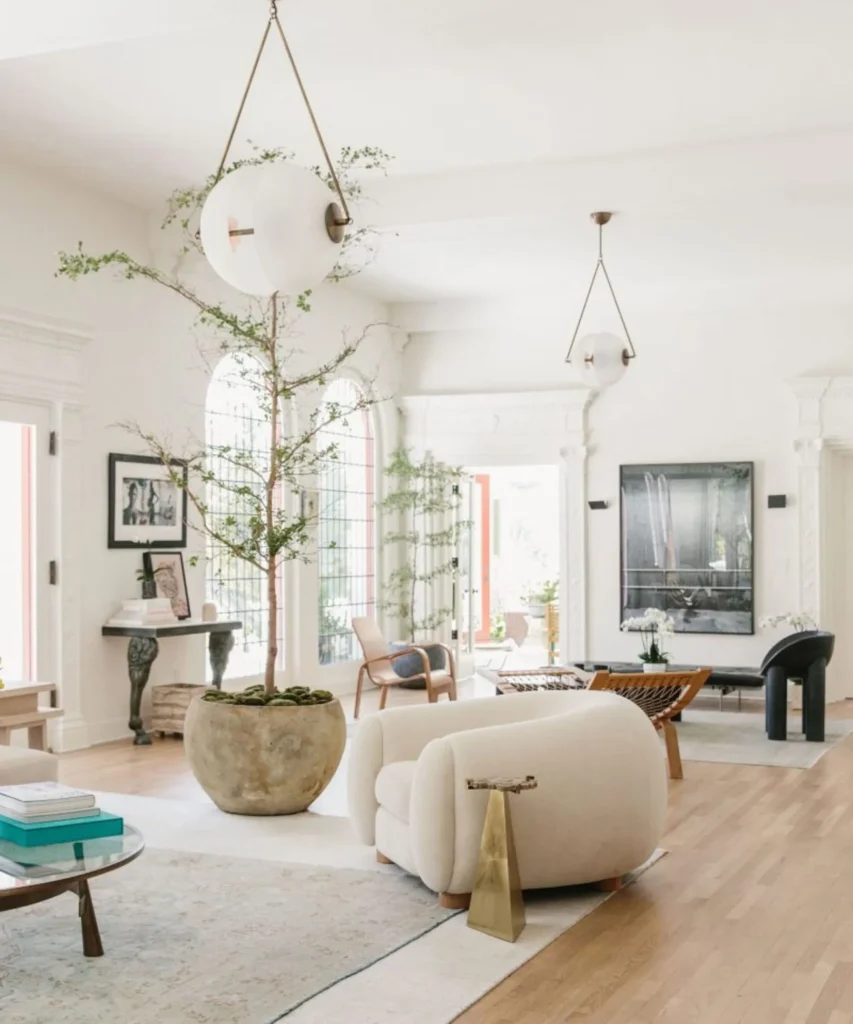
Image credits – Nicki Sebastian
Let the container provide the stone element of your indoor garden. A gray ceramic pot, rough-textured planter, or lightweight stone-look container creates a pleasing contrast with softer foliage. Place it against a simple wall so both the leaves and the pot’s surface are easy to appreciate.
For a small apartment, use one medium plant instead of several tiny pots. If you add a thin pebble dressing, leave space around the stem and an uncovered patch where you can check the soil. Avoid a deep layer that hides moisture conditions or makes plant care awkward.
Amazon find: Stone-Look Planter With Drainage
Choose a textured finish and check the opening, weight, drainage holes, and saucer dimensions before ordering.
2Make an Indoor Tree the Garden’s Focal Point
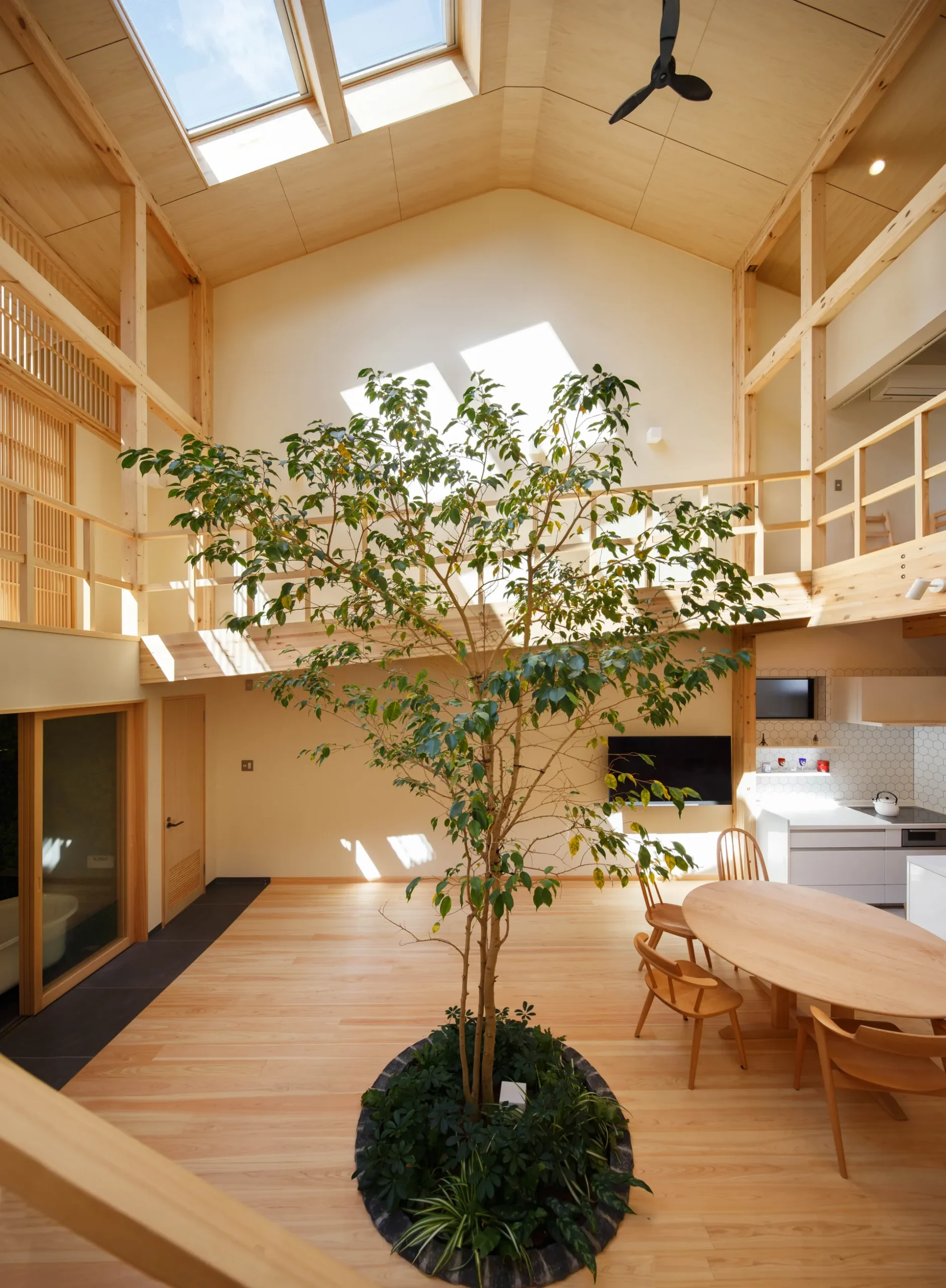
Image credits – Yosuke Ohtake
A tree can give a living room the feeling of a small courtyard. Position a suitable indoor tree near a bright window where its shape is visible from the main seating area. It does not need to occupy the physical center of the room to become the center of attention.
Use a stable container proportionate to the root ball, then add one smaller pot nearby if the space needs balance. A weeping fig is one houseplant option to research for your light conditions. Keep doors, vents, and walking routes clear, and choose a size you can move for cleaning and watering.
Small-space tip: Place the tree at the edge of a seating zone. You can enjoy a courtyard-like focal point without blocking the middle of the room.
3Group Coordinated Pots Into a Miniature Garden
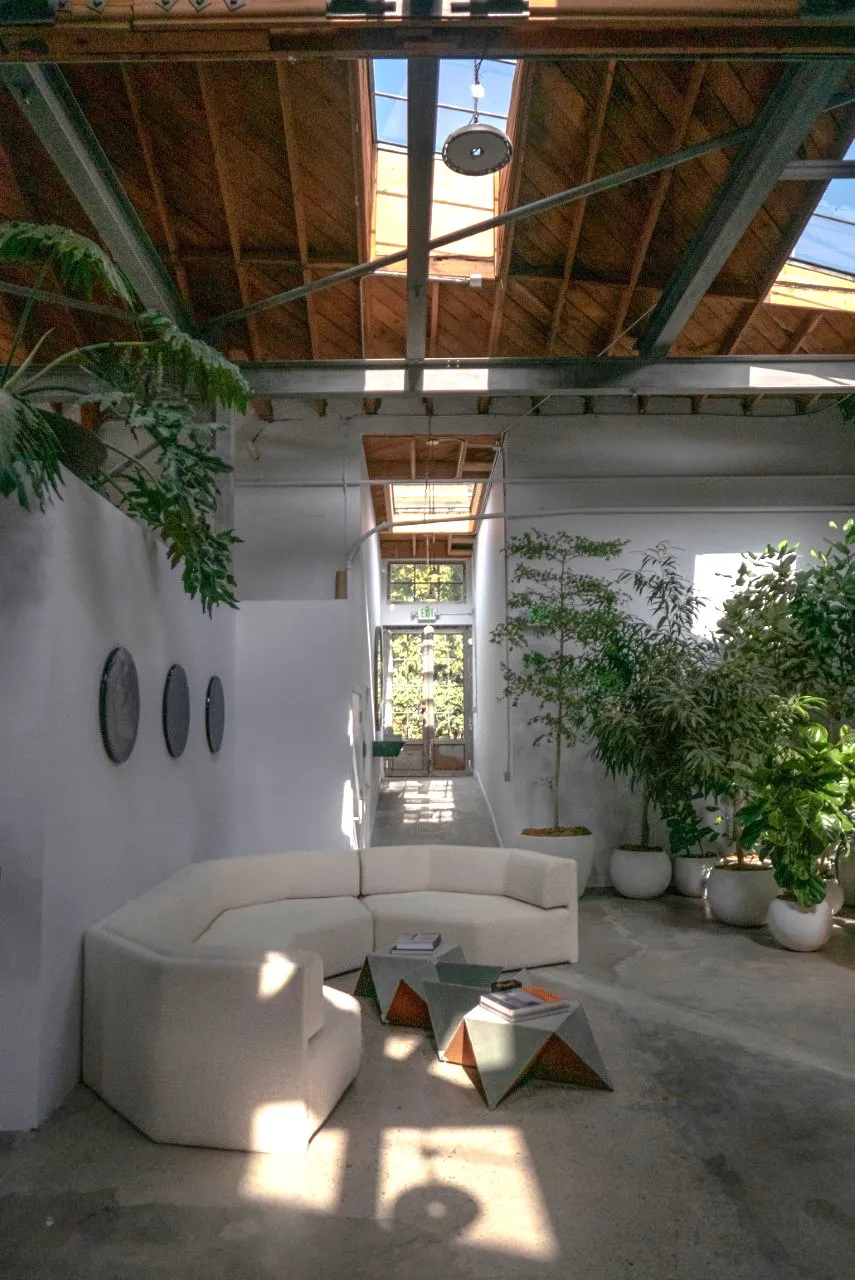
Image credits – Jamie Stuart
Create a garden effect with three containers in related finishes. Try a tall matte-gray pot, a medium rounded planter, and a smaller low bowl. Their shared color connects the group, while different heights keep it from looking like a row of identical objects.
Arrange the tallest plant toward the back and lower foliage toward the front, leaving visible space between containers. Keep plants in individual pots so you can water them separately. A wide waterproof tray can define the group, but it should be sturdy enough for the combined weight.
Amazon find: Coordinating Neutral Planters
Related finishes help separate pots feel like one arrangement. Choose sizes that fit your existing plants.
4Capture the Delicate Outline of a Japanese Maple
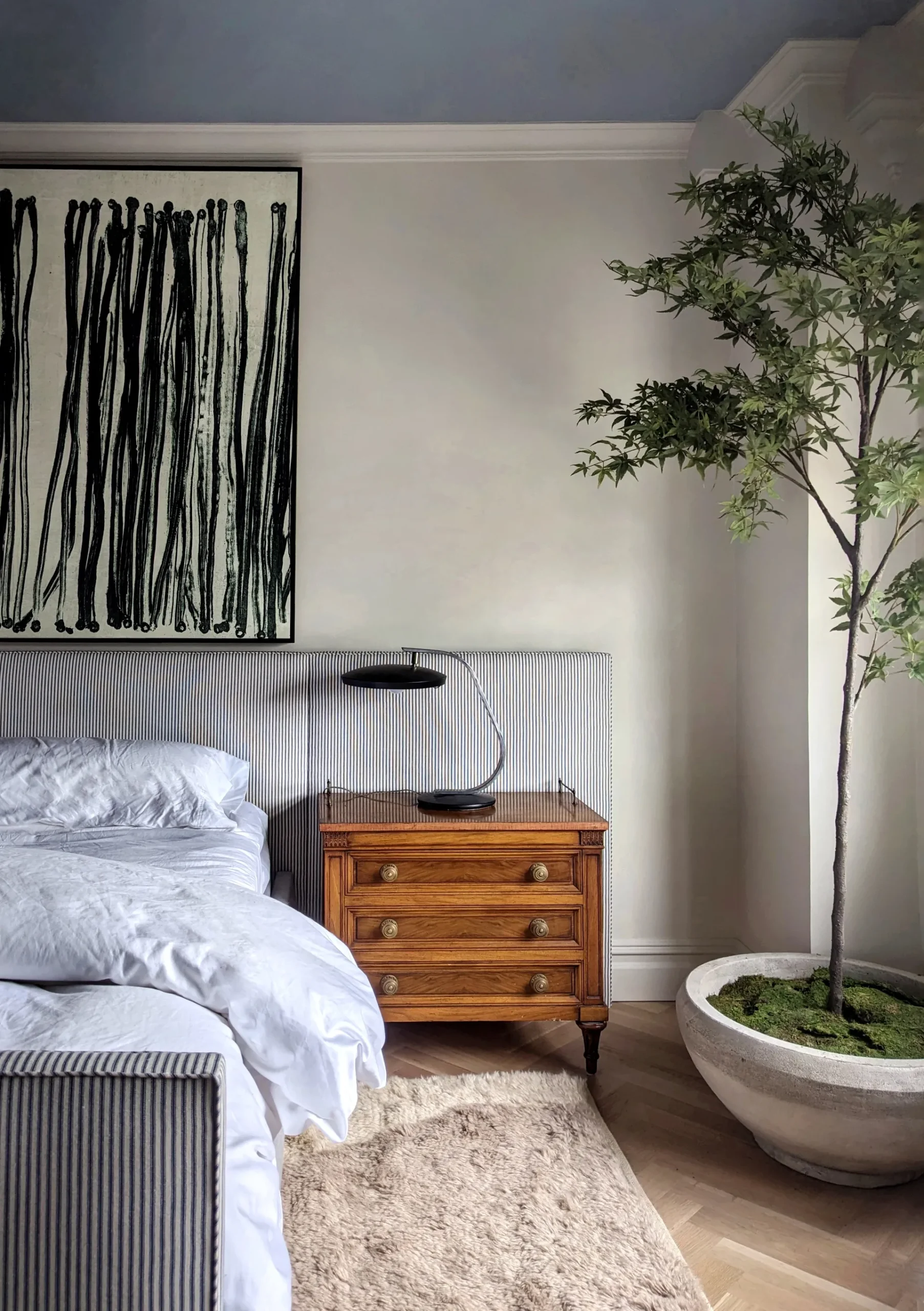
Image credits – Crystal Sinclair
The fine leaves and branching outline of a Japanese maple make a beautiful reference for a gentle garden corner. For a lasting indoor display, choose a realistic artificial maple in a restrained planter. Give its branches room to spread beside a reading chair or against a pale bedroom wall.
A living Japanese maple is better suited to outdoor growing than a permanently heated room. If you want the real tree, position it outside a window or glazed door so it becomes part of your indoor view.
Styling tip: Keep nearby furniture and accessories simple so the branching silhouette remains the main detail.
5Repeat a Simple Palette of Plants and Materials
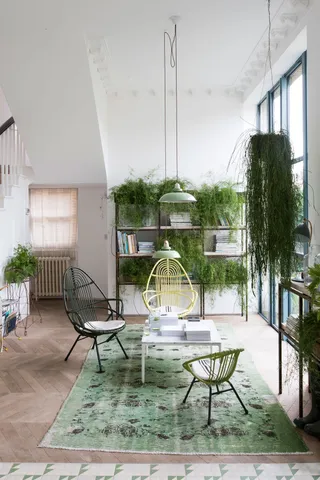
Image credits – James Merrell
Choose a small material palette before adding decorative pieces. Green foliage, pale stone, and natural wood make an easy starting point. Repeat one plant type or leaf shape across the arrangement instead of combining every interesting plant you find.
Carry the same restraint into the surrounding room with a plain cushion, an uncluttered side table, and a neutral rug. You can mix textures without adding more colors. Matte pots beside smooth pebbles and lightly grained wood provide enough variety for a small garden corner.
Budget tip: Reuse pots you already own if their colors work together. A coordinated arrangement does not require a matching new set.
6Create a Garden-Inspired Bathroom Corner
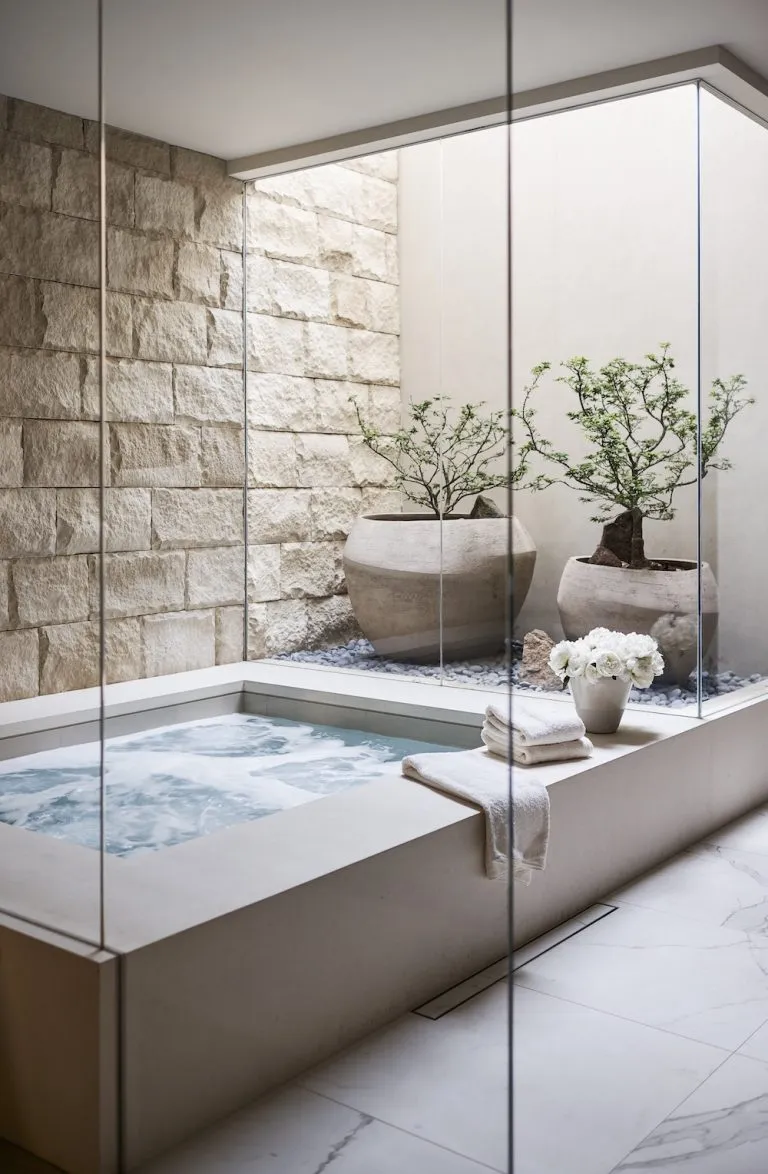
Image credits – Joe Fletcher
A bathroom with natural light can become a lovely setting for a sculptural planter and soft greenery. Use a stable spot beside the vanity or near a window, keeping the arrangement away from the edge of the tub and clear of towel storage.
Choose a plant that suits the available light as well as the room’s humidity. A bathroom without a window needs a suitable grow light for live plants; steam alone is not enough. Protect surfaces with a waterproof saucer, and use a contained stone tray instead of loose pebbles on the floor.
Amazon find: Waterproof Plant Saucer
A correctly sized saucer helps contain watering drips beneath a bathroom planter. Empty standing water after watering.
7Build Quiet Depth With Layers and Raked Patterns
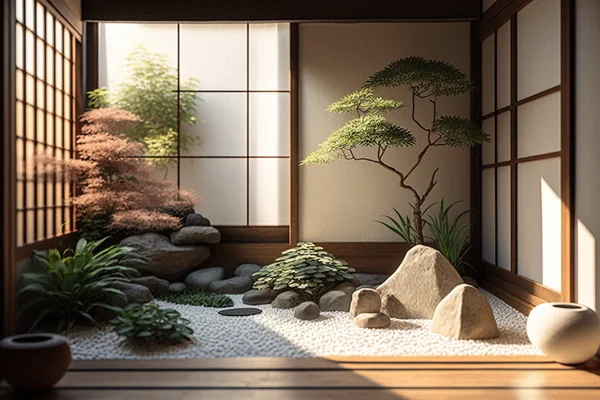
Image credits – Notai Isme
Create a sense of depth by placing a larger stone toward the back of a shallow tray and smaller stones closer to the front. Let part of one feature sit behind another so the whole arrangement is not revealed at once. This subtle layering gives a small landscape more interest.
Rake gentle curves into suitable decorative sand around the stones, leaving some of the surface undisturbed. Place the tray where side lighting reveals the shallow grooves. If you include greenery, keep its growing pot separate from the dry sand so watering does not spoil the patterns.
Amazon find: Miniature Sand Garden Rake
A small rake makes it easier to refresh tabletop patterns. Match its width to your tray rather than buying a full-size garden tool.
8Introduce One Unexpected Natural Feature
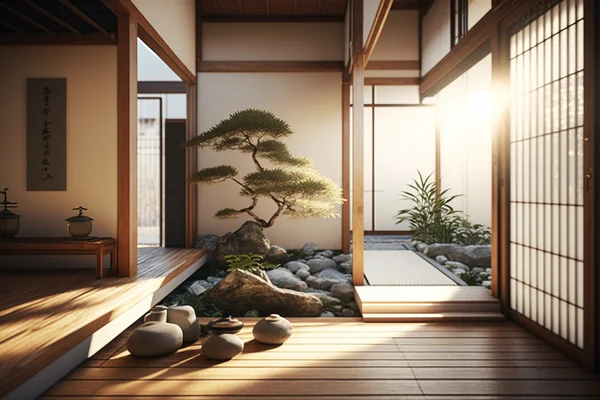
Image credits – Zara Leh
Give the garden a personal touch with a single unusual feature, such as a curved piece of dry wood, a beautifully irregular rock, or a plant with an interesting growth habit. Place it slightly away from the center and let the quieter materials support it.
Keep the feature close to the arrangement’s existing colors so it adds character without dominating the room. Clean and inspect natural materials before bringing them indoors, and keep wood away from continually damp soil. A piece you already own can make the display feel more personal than several new ornaments.
Editing tip: Once you add a statement feature, remove one smaller accessory. The empty space helps the unusual shape stand out.
9Design a Still Garden Without Moving Elements
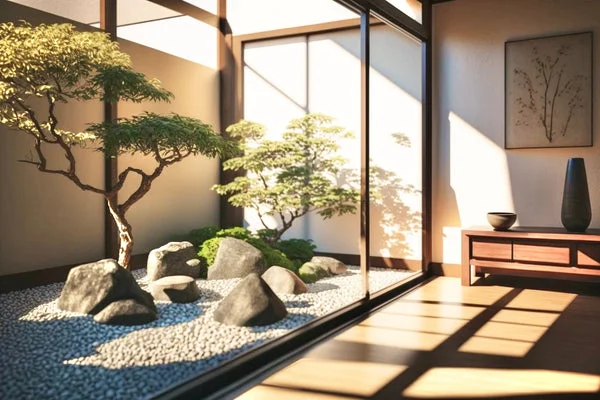
Image credits – Josh Powel
If you enjoy silence, create a garden using stationary stones, restrained greenery, and an open sand surface. Leave out fountains, chimes, and flashing lights. A completely still display can be especially appealing beside a reading chair or in a bedroom.
Arrange the garden where it will not be disturbed by a frequently opened door, a speaker, or a busy work surface. View it from your usual seat before deciding on the final layout. Leave the foreground open so your eye has somewhere quiet to rest.
Easy upkeep: Keep a soft brush nearby for dusting stones and the tray edge. Refresh the patterns whenever you feel like changing the view.
10Choose a Shallow Container That Fits the Garden
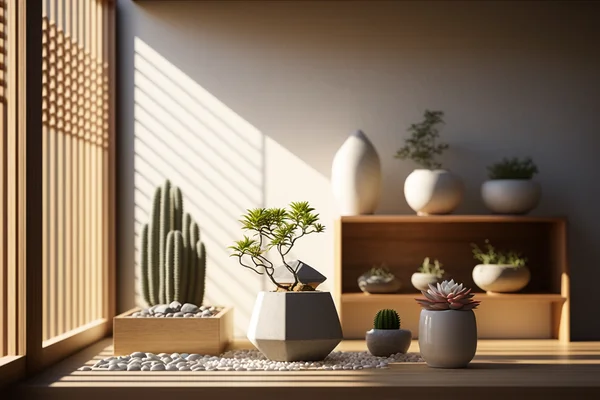
Image credits – Nick
A shallow rectangular tray or broad ceramic bowl gives a miniature garden a clear boundary. Low sides make the arrangement visible from a seated position and allow easy access for raking. Choose a container with enough depth to contain the sand without spilling over the edges.
For a dry garden, a solid base is useful for keeping materials contained. For living plants, root space and drainage matter more than a shallow appearance. Place separate draining pots inside a waterproof outer tray, and do not use a layer of stones as a substitute for drainage holes.
Amazon find: Shallow Decorative Garden Tray
Look for stable construction and dimensions that leave room for open sand around the main stones. Verify waterproofing if the tray will hold plant pots.
11Select Plants for Your Actual Indoor Conditions
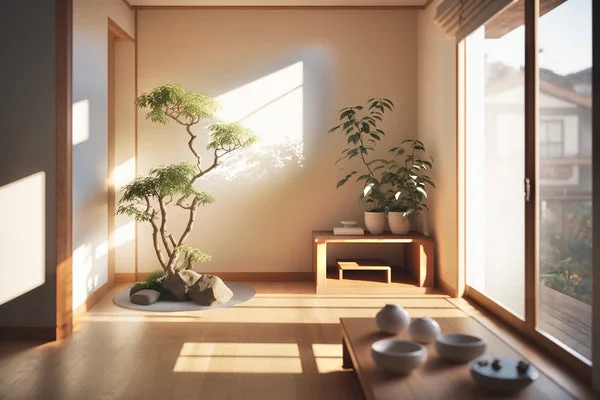
Image credits – Lilly White
Choose plants after assessing the garden’s location. Note the window direction, the distance from daylight, and whether the spot is near heating or air-conditioning vents. Start with one or two plants whose care requirements fit your routine rather than choosing only by appearance.
For a miniature tree effect, research an indoor-suitable ficus bonsai and provide the light and care it needs. Bonsai is a growing method, so the word alone does not tell you whether a tree belongs indoors.
Before buying: Check the plant’s species, mature size, light needs, watering requirements, and suitability for a home with pets or young children.
Indoor Zen Garden Shopping Checklist
Buy for the arrangement you have planned. A small dry tray needs only a few materials, while a planted garden needs suitable growing containers and surface protection.
| Item | Best For | Amazon Search |
|---|---|---|
| Shallow garden tray | Containing a dry tabletop landscape | Shop on Amazon |
| Decorative garden sand | Creating miniature raked patterns | Shop on Amazon |
| Natural decorative stones | Adding shape and texture | Shop on Amazon |
| Miniature rake | Refreshing a small sand surface | Shop on Amazon |
| Planter with drainage | Growing a suitable houseplant | Shop on Amazon |
| Waterproof saucer or tray | Protecting surfaces beneath plant pots | Shop on Amazon |
Best Color Palettes for an Indoor Zen Garden
Use the room’s existing finishes as your starting point. Choose one dominant neutral, a supporting natural material, and greenery where the light allows it.
- Warm white, pale gray, and leaf green: Pair a light tray with gray stones and fresh foliage for a soft, airy arrangement.
- Sand beige, oak, and olive green: Combine warm ceramics with light wood for a garden that fits a cozy neutral room.
- Charcoal, ivory, and deep green: Use dark stones against pale sand for a more defined contemporary look.
- Clay brown, cream, and moss green: Bring together earthy containers, cream-colored stones, and gentle green accents.
- Weathered wood, stone gray, and muted green: Repeat natural textures for a relaxed arrangement with subtle variation.
Frequently Asked Questions
What is the easiest indoor Zen garden for beginners?
Start with a shallow tray, suitable decorative sand, and two or three stones. Keep part of the surface open and use a miniature rake to make simple patterns. This dry arrangement lets you practice the layout without adding plant care.
Can I create an indoor Zen garden in a small apartment?
Yes. Use a compact tray on a console or one stone-style planter near a suitable window. Keep the arrangement contained and leave room for everyday use. You do not need a floor-level garden bed or a large collection of plants.
Does an indoor Zen garden need living plants?
No. A dry arrangement of stones and raked sand can be complete on its own. Add greenery if you enjoy plants and can provide suitable conditions, rather than treating it as a requirement.
Which bonsai should I consider for an indoor garden?
Research a species suitable for indoor growing, such as a ficus, and check its specific care requirements. Indoor bonsai still need appropriate light, watering, and ongoing attention. Choose by species and growing conditions rather than the shape of the tree alone.
How do I keep a tabletop Zen garden tidy?
Use a tray with a raised edge, keep it away from busy surfaces, and gently brush dust from the stones. Keep plant watering separate from the dry sand area. If pets or children can reach the display, choose a protected location or larger features without loose small pieces.
Final Thoughts
The most inviting indoor Zen garden is one that fits your space and feels easy to care for. A few stones, a thoughtful container, and enough open space can make a modest arrangement feel complete.
Start with the idea that suits your home today, whether that is a dry tabletop garden, coordinated planters, or a tree near a bright window. Live with the arrangement before adding more.
Save your favorite indoor Zen garden ideas for inspiration, then create a small natural view you can enjoy during an ordinary day.