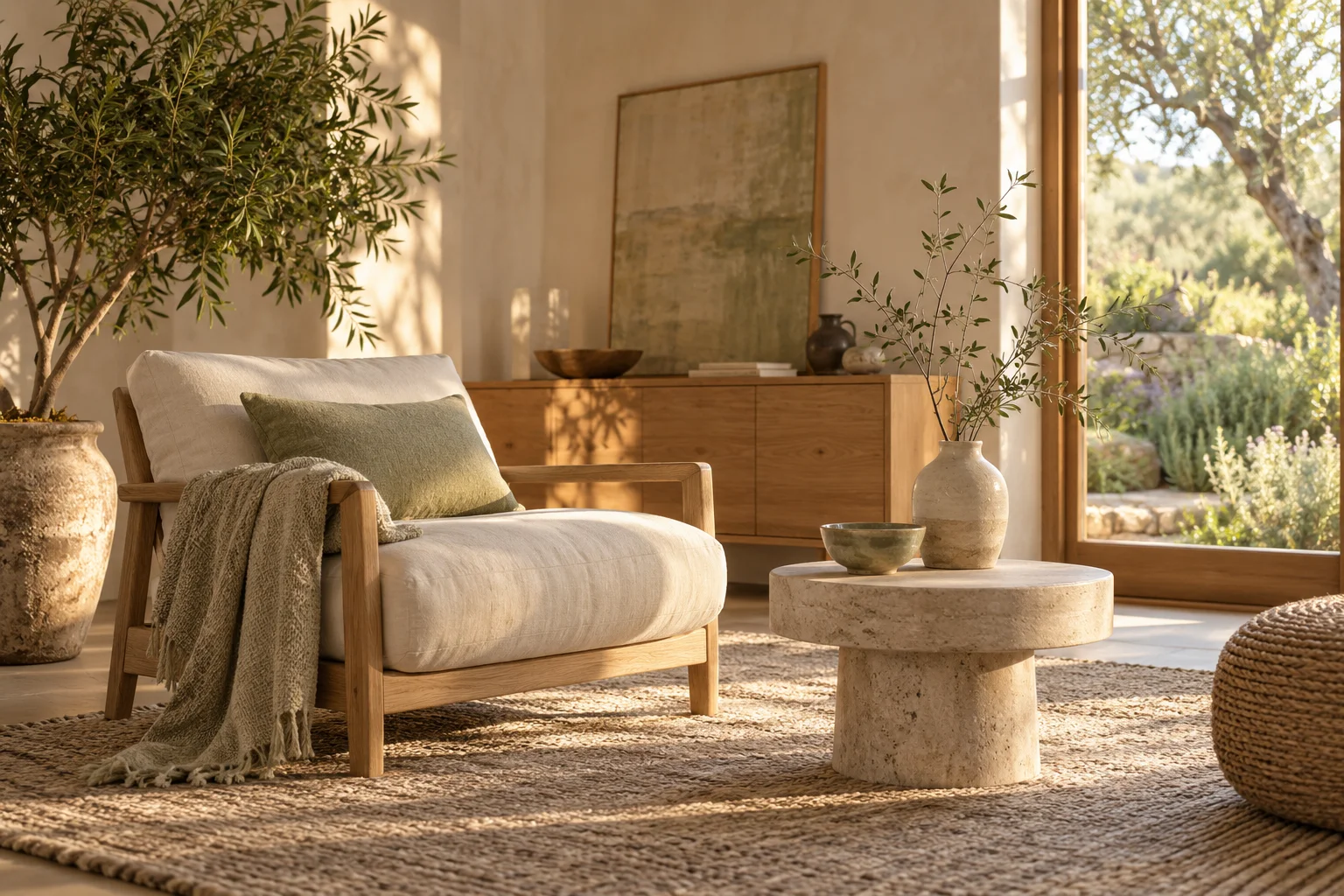
A relaxing home does not need to look empty, expensive, or perfectly styled. The most peaceful spaces usually rely on simple choices: soft colors, natural materials, gentle lighting, and a layout that gives the eye room to rest.
Whether you want to refresh your bedroom, living room, bathroom, entryway, or entire home, these Zen home ideas can help you create a calmer everyday environment. Each idea is practical enough to try gradually, even if you are decorating on a budget.
This guide includes soothing color palettes, clutter-reducing tips, natural textures, cozy lighting suggestions, simple styling formulas, shopping ideas, and easy ways to make your home feel more peaceful without losing personality.
More Relaxing Home Inspiration
14 Kitchen Christmas Decor Ideas
Quick List of Relaxing Zen Home Ideas
- Use a calm neutral color palette
- Clear visual clutter from open surfaces
- Bring in natural wood furniture
- Layer soft, breathable textiles
- Create a peaceful bedroom layout
- Use warm, low-level lighting
- Add indoor plants and fresh greenery
- Style one intentional focal point
- Introduce natural stone accents
- Make a quiet reading corner
- Use curtains to soften bright light
- Choose low-profile, comfortable furniture
- Add calming scent details
- Create a simple daily reset routine
How to Create a Relaxing Zen Home
Start by deciding how you want your home to feel instead of focusing only on how you want it to look. Words such as calm, airy, grounded, soft, warm, and uncluttered can guide your decorating decisions.
Next, remove items that make a room feel visually noisy. You do not need to get rid of everything. Simply group similar objects, hide unnecessary cords, clear crowded tabletops, and leave some empty space around your most important pieces.
Finally, layer natural textures and comfortable lighting. A room feels more relaxing when it includes materials that are pleasant to touch, colors that are easy on the eyes, and light that can be adjusted throughout the day.
Simple Zen decor formula:
Calm colors + natural texture + comfortable furniture + soft lighting + intentional empty space.
Relaxing Home Style Guide
| Area or Style | Best Pieces to Use | Why It Feels Relaxing |
|---|---|---|
| Living room | Soft seating, baskets, warm lamps | Creates comfort without visual overload |
| Bedroom | Layered bedding, quiet colors, blackout curtains | Supports rest and a slower nighttime routine |
| Bathroom | Wood accents, folded towels, stone textures | Adds a spa-like, grounded feeling |
| Entryway | Closed storage, one mirror, simple greenery | Reduces the feeling of arriving to clutter |
| Reading corner | Comfortable chair, floor lamp, small table | Creates a dedicated place to pause |
Simple Ways to Create a Calmer, More Peaceful Home
1Choose a Soft Neutral Color Palette
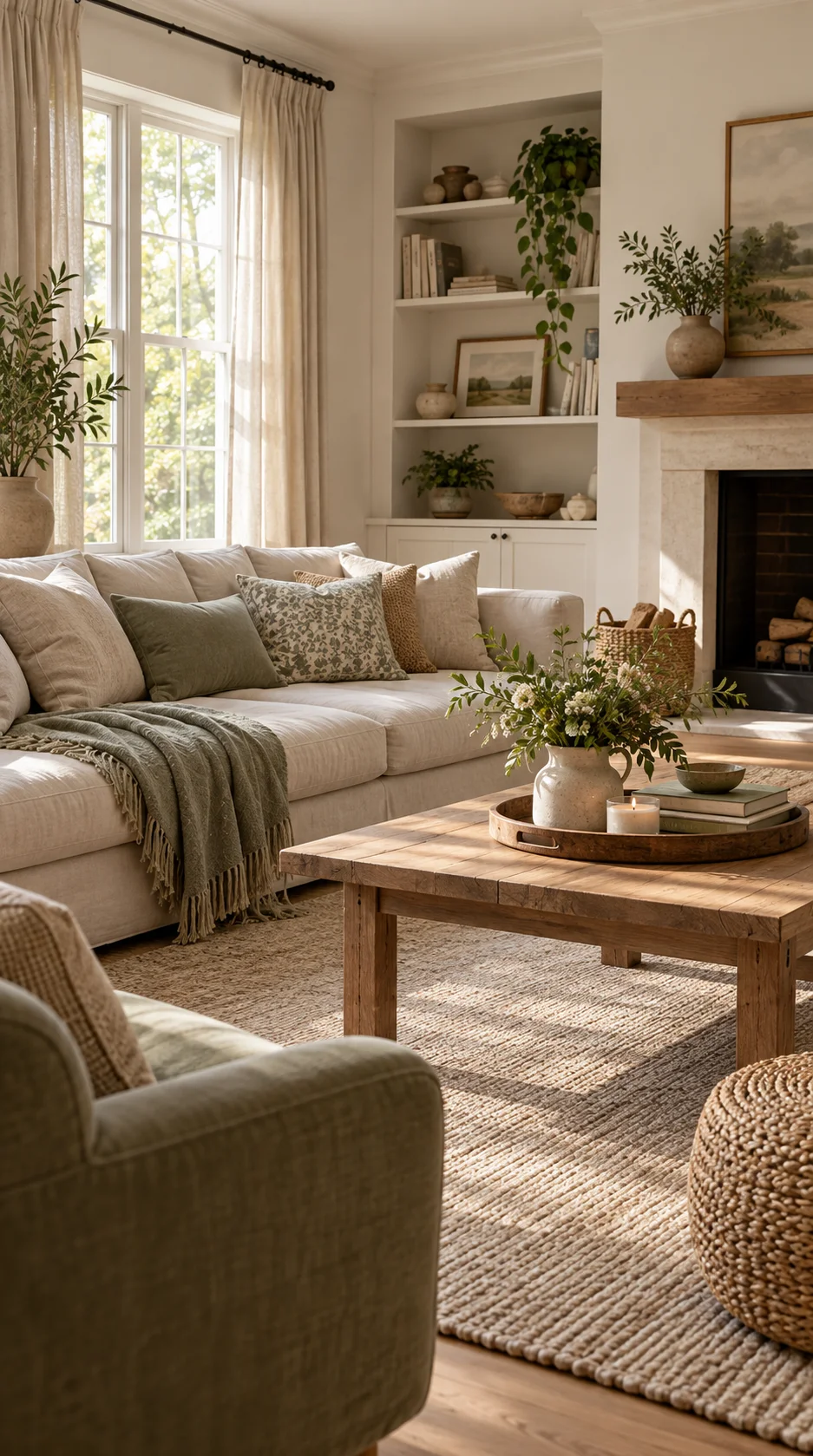
Begin with calming colors such as warm white, beige, taupe, soft gray, muted sage, or pale blue. These shades create a quiet background that allows furniture, textiles, and natural details to feel balanced.
Try to avoid using too many unrelated colors in one room. Choose one main neutral, one gentle accent color, and one natural tone such as wood or stone for a cohesive look.
2Clear the Visual Clutter
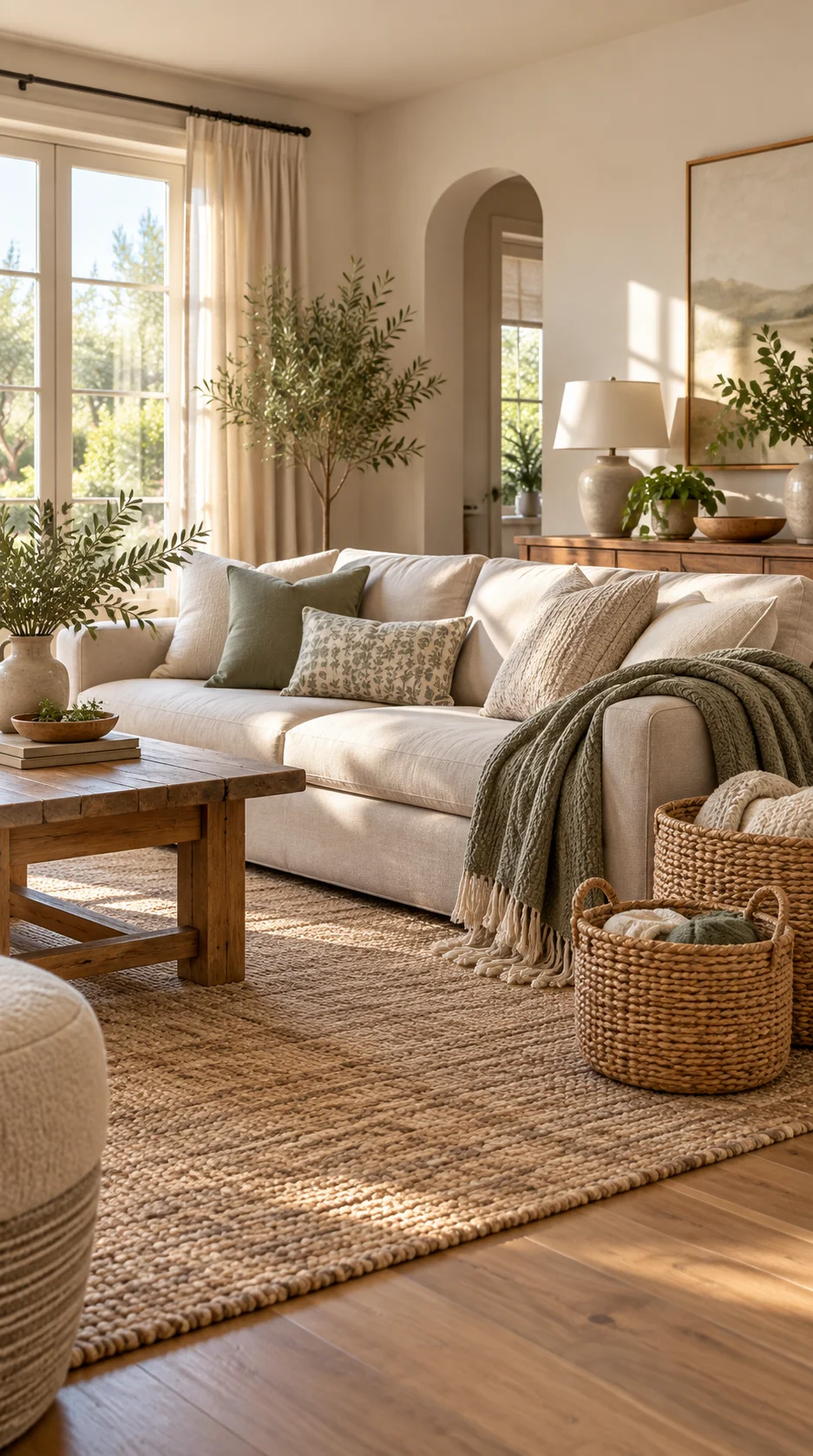
A relaxing room needs breathing space. Start with the surfaces you see most often, including coffee tables, nightstands, kitchen counters, and open shelves.
Keep only the pieces you use or genuinely enjoy. Store small everyday items in baskets, trays, drawers, or closed cabinets so the room feels organized without becoming sterile.
Amazon find: Woven storage baskets
Woven baskets help hide blankets, toys, books, and everyday items while adding warm natural texture to the room.
3Bring in Natural Wood
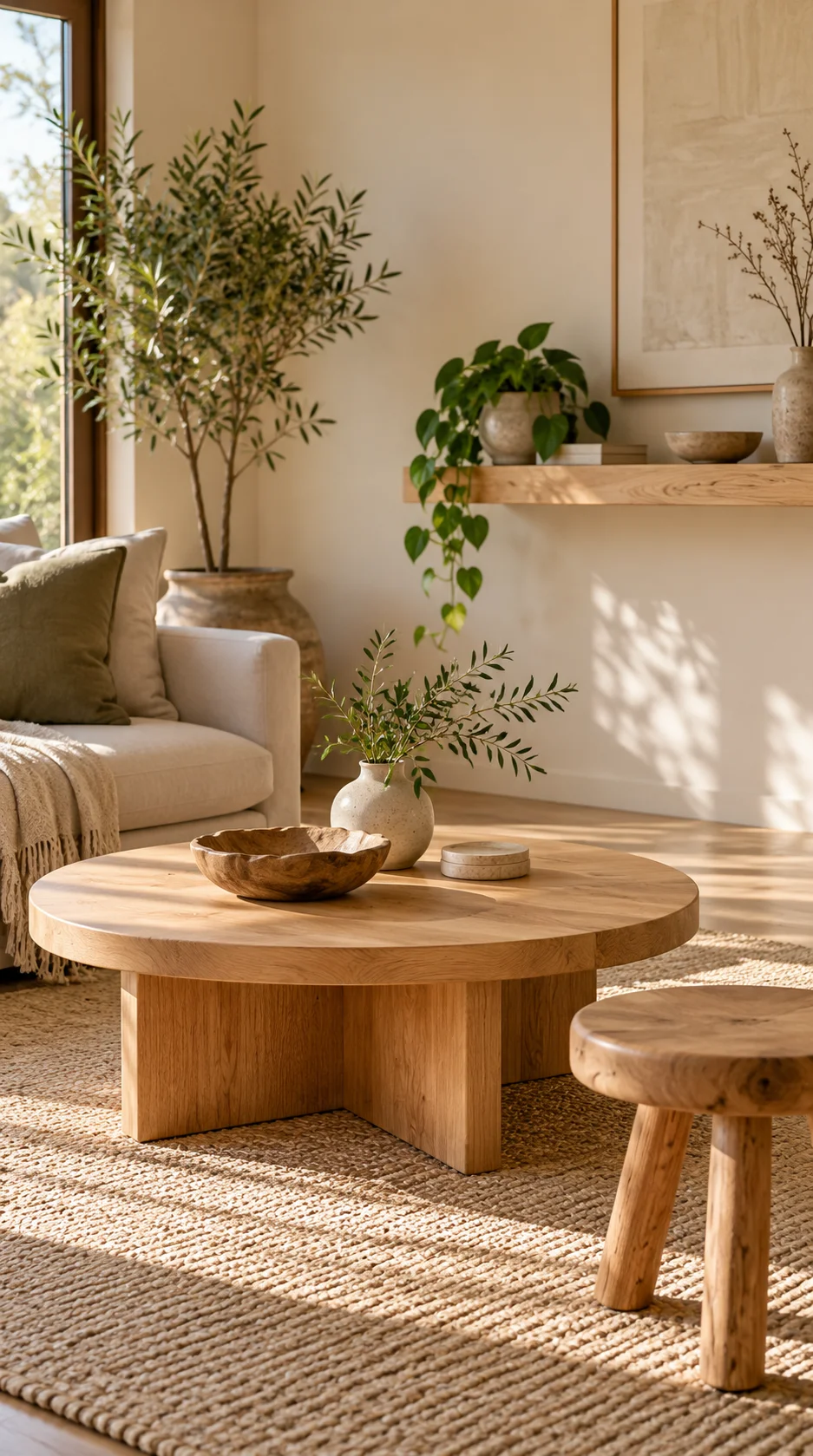
Wood instantly makes a space feel warmer and more grounded. You can introduce it through a coffee table, nightstand, stool, floating shelf, picture frame, or decorative bowl.
Mixing several wood tones is fine, but repeat each tone at least twice so the room feels intentional. Light oak, walnut, bamboo, and unfinished wood can all work beautifully in a Zen-inspired home.
4Layer Soft and Breathable Textiles
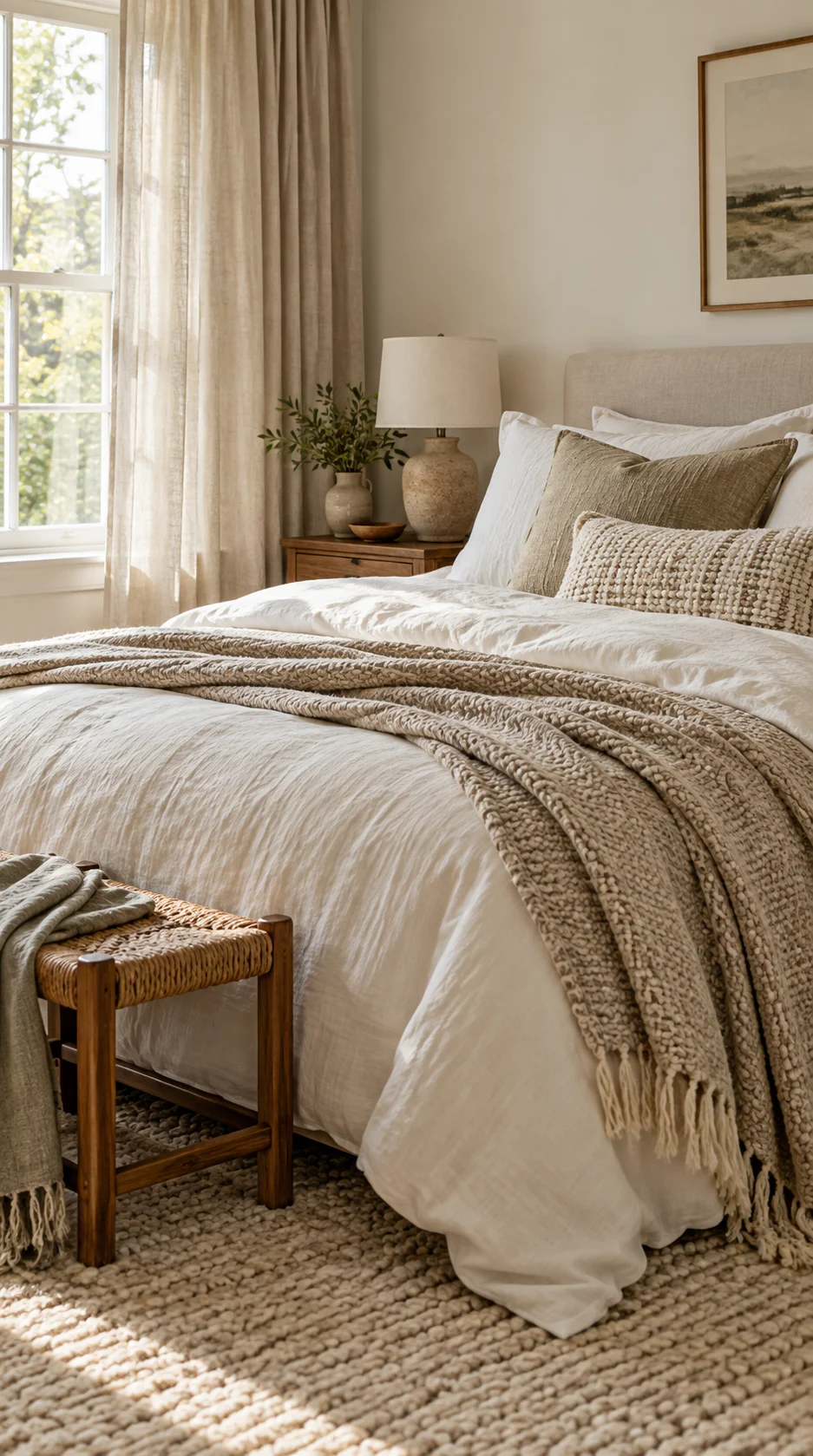
Soft textiles make a room feel comfortable without adding visual clutter. Use cotton bedding, linen curtains, woven throws, wool rugs, or textured cushions in quiet colors.
Instead of piling on many decorative pillows, choose a few pieces with different finishes. A smooth base, a knitted layer, and one subtly textured accent can make a sofa or bed feel inviting.
Amazon find: Neutral cotton and linen throw blankets
A lightweight neutral throw adds comfort and texture to a sofa, bench, or bed without making the room feel crowded.
5Create a Peaceful Bedroom Layout
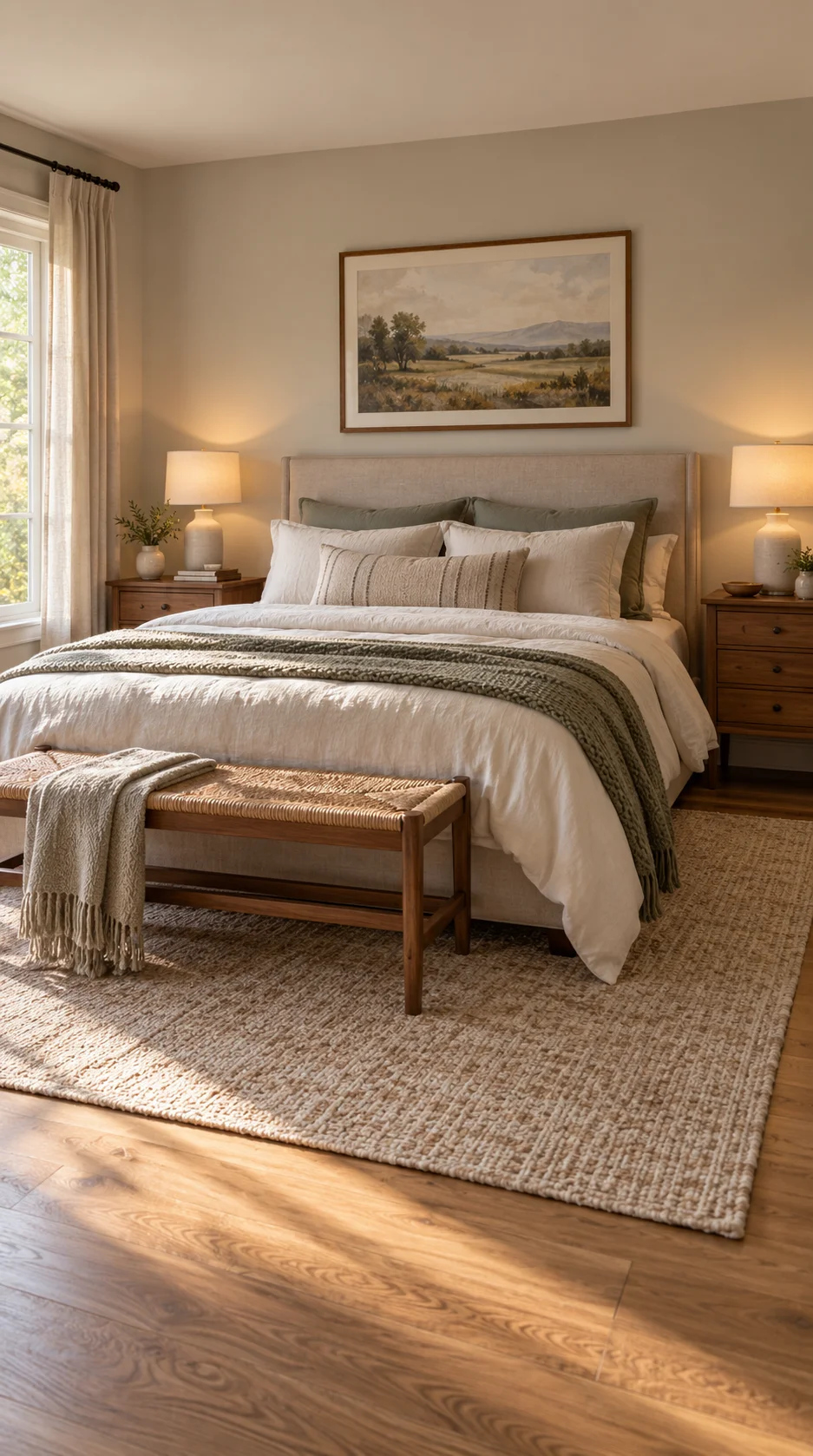
Position the bed so it feels visually protected and easy to approach. When possible, place it where you can see the doorway without putting it directly in the path of foot traffic.
Keep the area around the bed simple. Matching or coordinated nightstands, soft bedside lighting, and a clear walkway can make the entire bedroom feel more settled.
6Use Warm, Layered Lighting
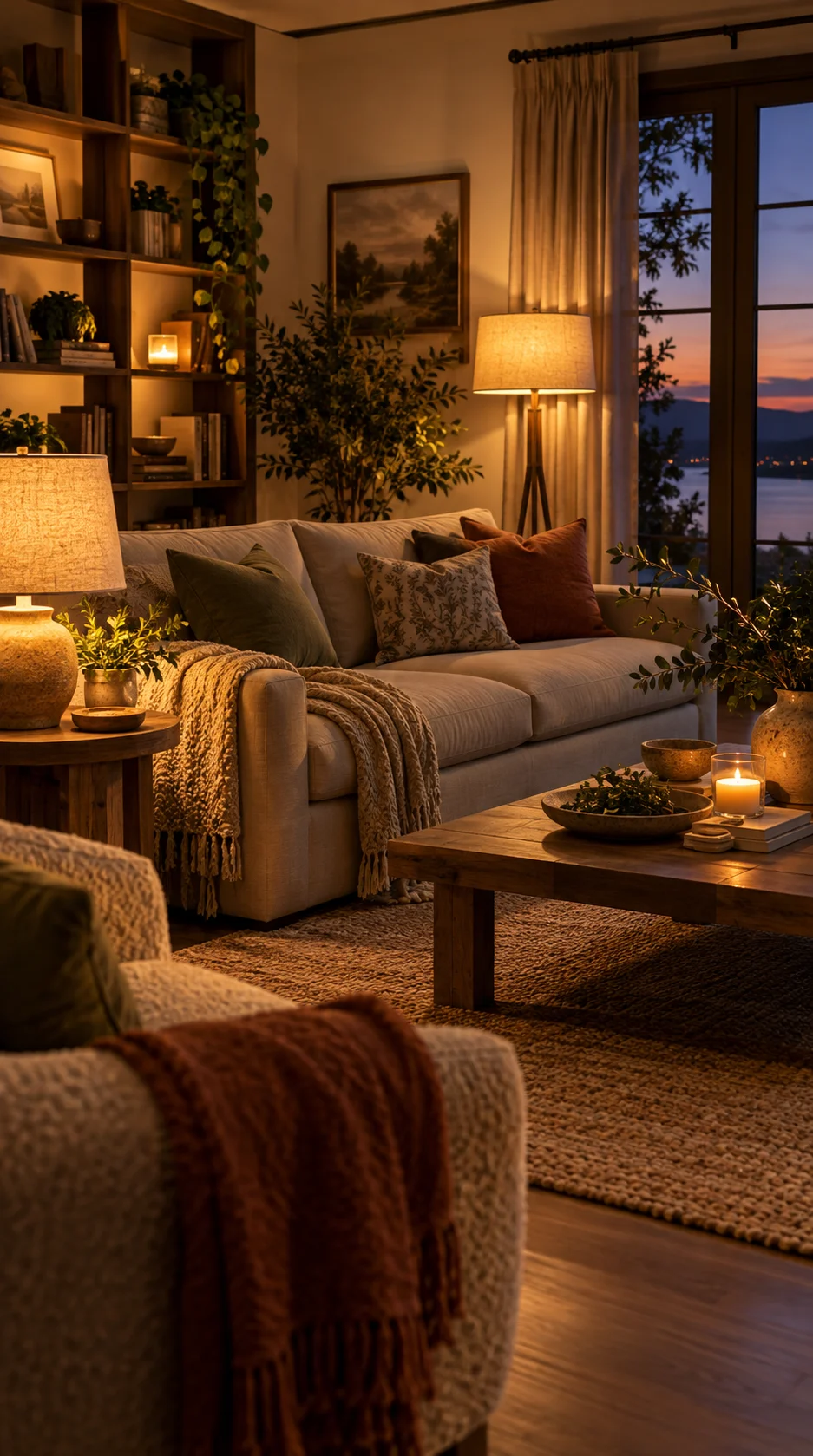
Bright overhead lighting can make a room feel active rather than restful. Add table lamps, floor lamps, sconces, or dimmable bulbs so you can soften the room in the evening.
Use multiple low-level light sources instead of relying on one fixture. A warm lamp beside a sofa and a small light near a shelf can create a gentle atmosphere throughout the space.
7Add Indoor Plants and Fresh Greenery
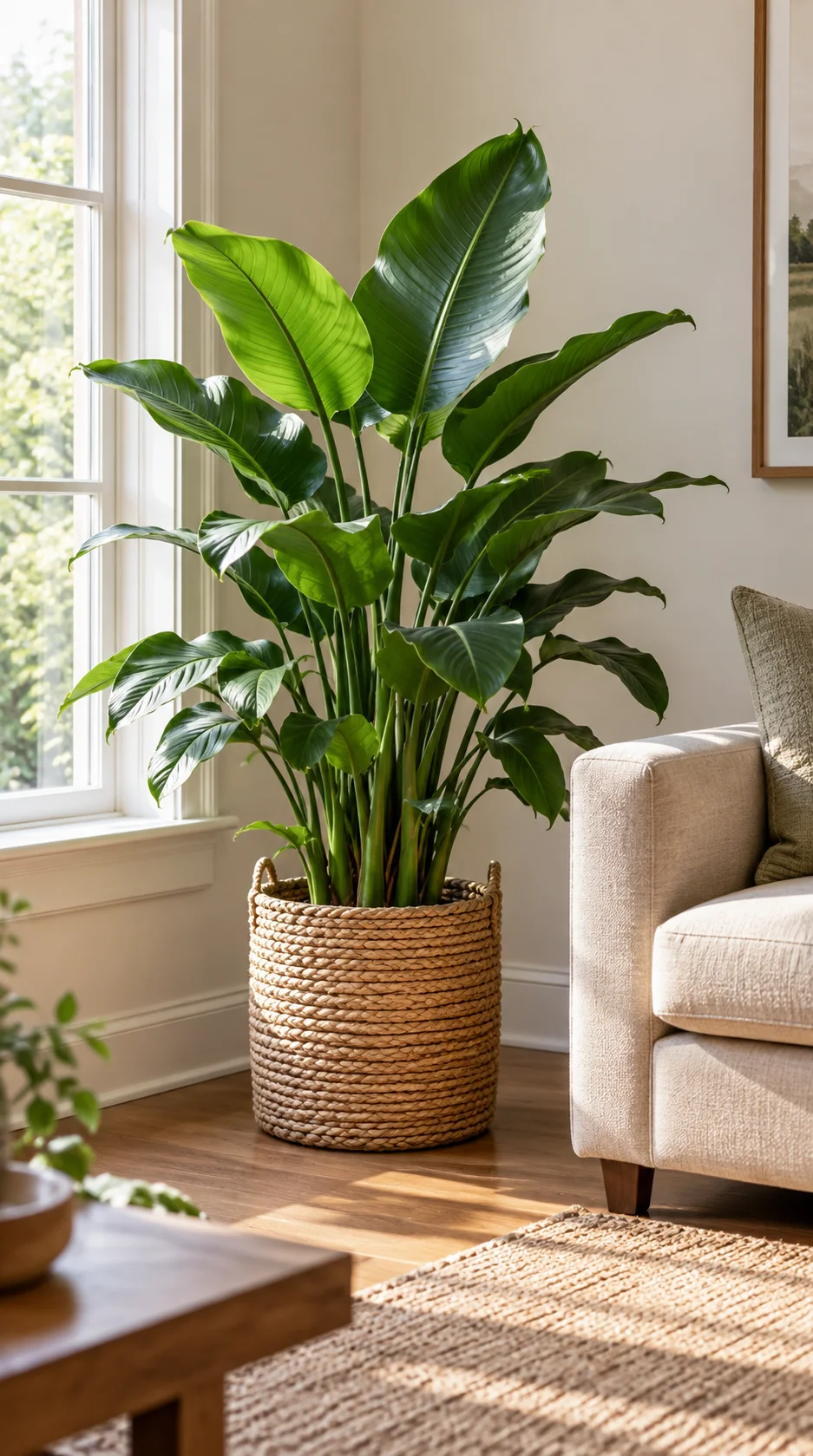
Plants bring softness and life into a room while adding a natural color that works beautifully with neutral decor. Choose varieties that suit the light levels and care routine in your home.
One large plant in an empty corner can have more impact than several tiny plants scattered across every surface. Use simple ceramic, woven, or terracotta planters for a grounded appearance.
Amazon find: Woven plant baskets and simple ceramic planters
Neutral planters help greenery blend naturally with the rest of your decor while adding warmth to corners, shelves, and entryways.
8Style One Intentional Focal Point
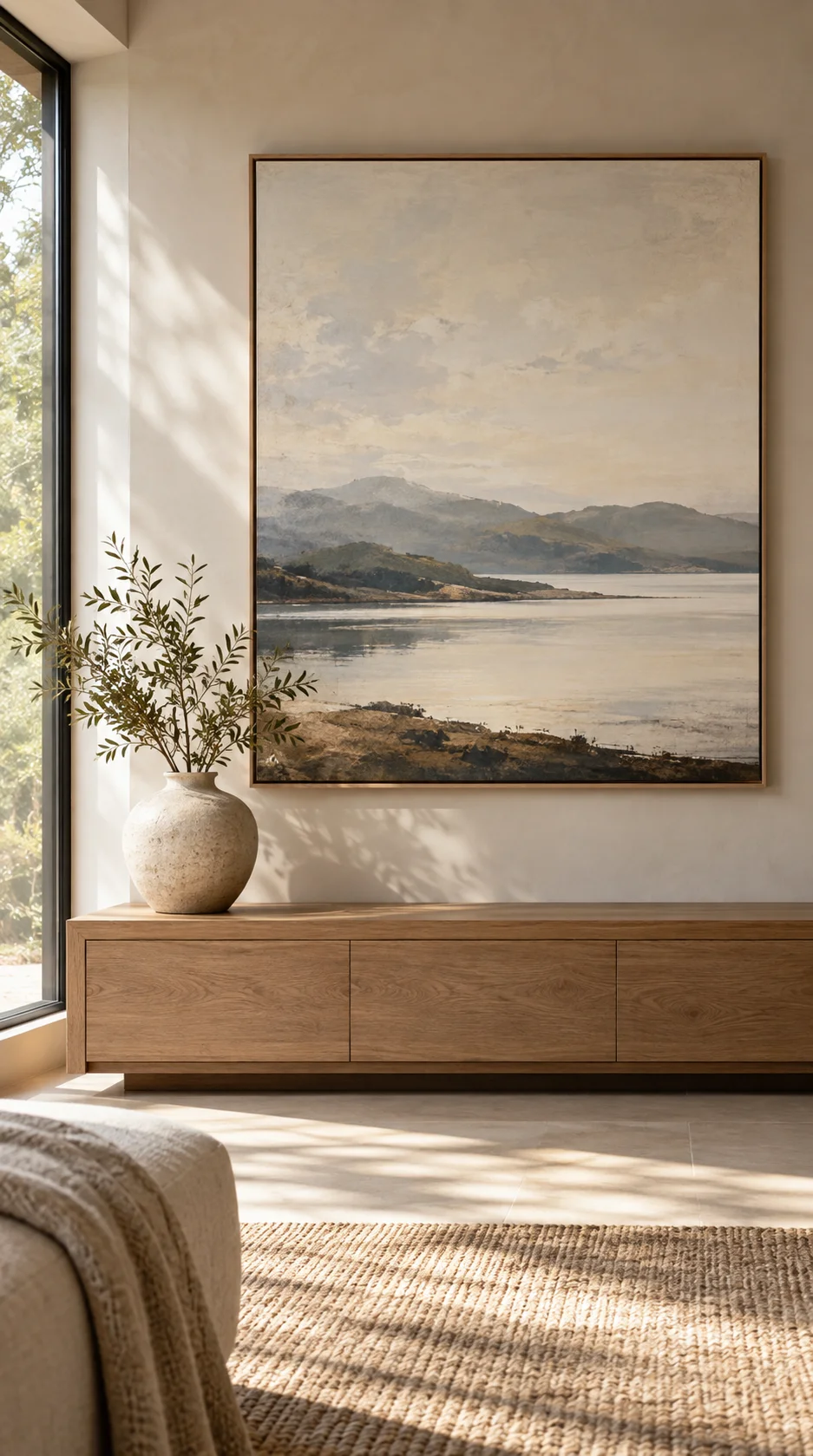
Every room benefits from one area that quietly draws attention. This could be a piece of calm artwork, a sculptural vase, a textured headboard, a fireplace, or a view through the window.
Keep the objects around the focal point simple so it can breathe. A single large piece often creates a more peaceful result than a collection of small decorations competing for attention.
9Introduce Natural Stone Accents
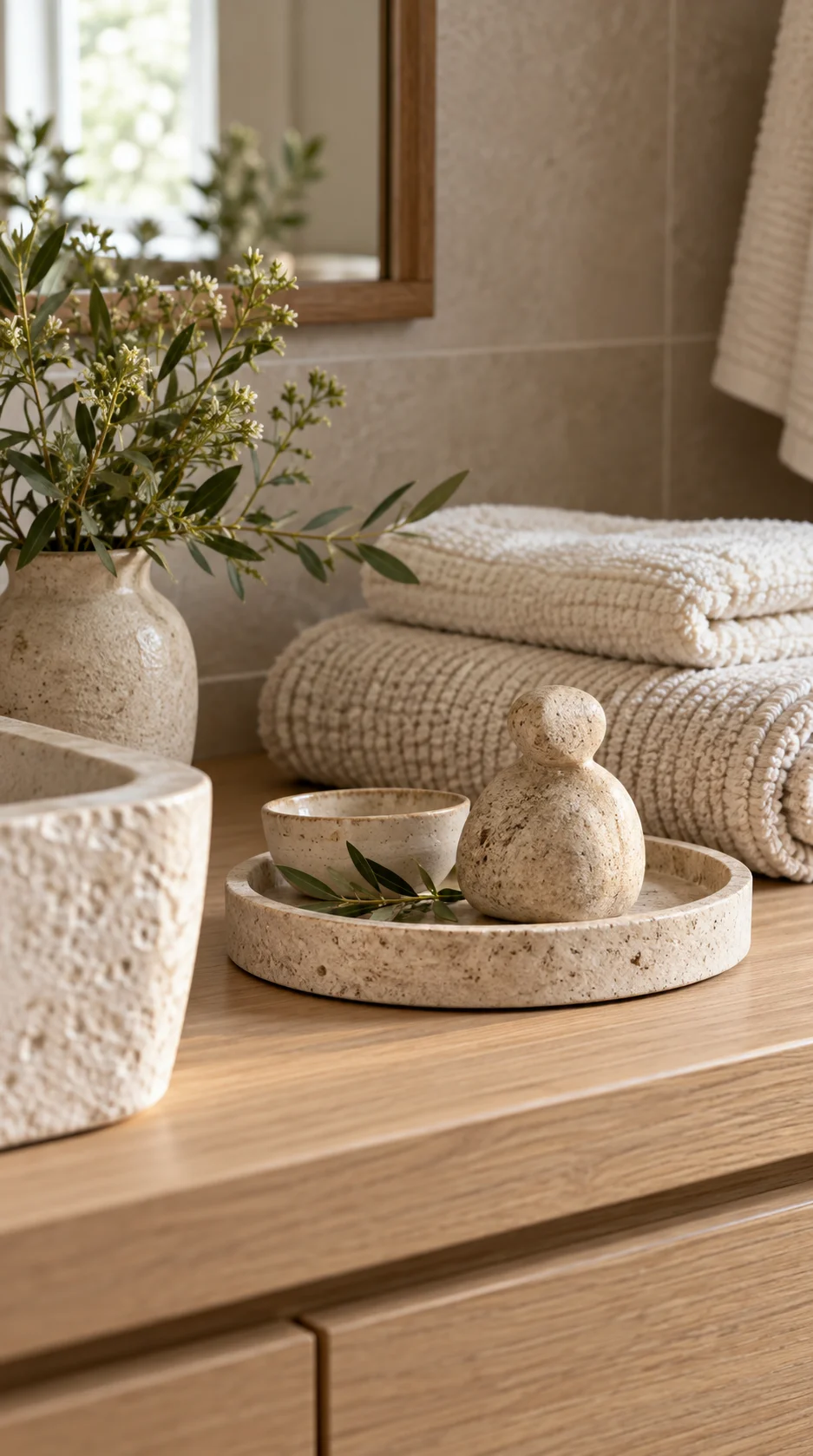
Stone adds a grounded, organic feeling to a relaxing home. Try a marble tray, soap dish, river stones, a limestone-colored vase, or a small stone sculpture.
You do not need to renovate to achieve this look. A few small stone details can add weight and contrast to soft textiles, pale walls, and light wood furniture.
10Make a Quiet Reading Corner
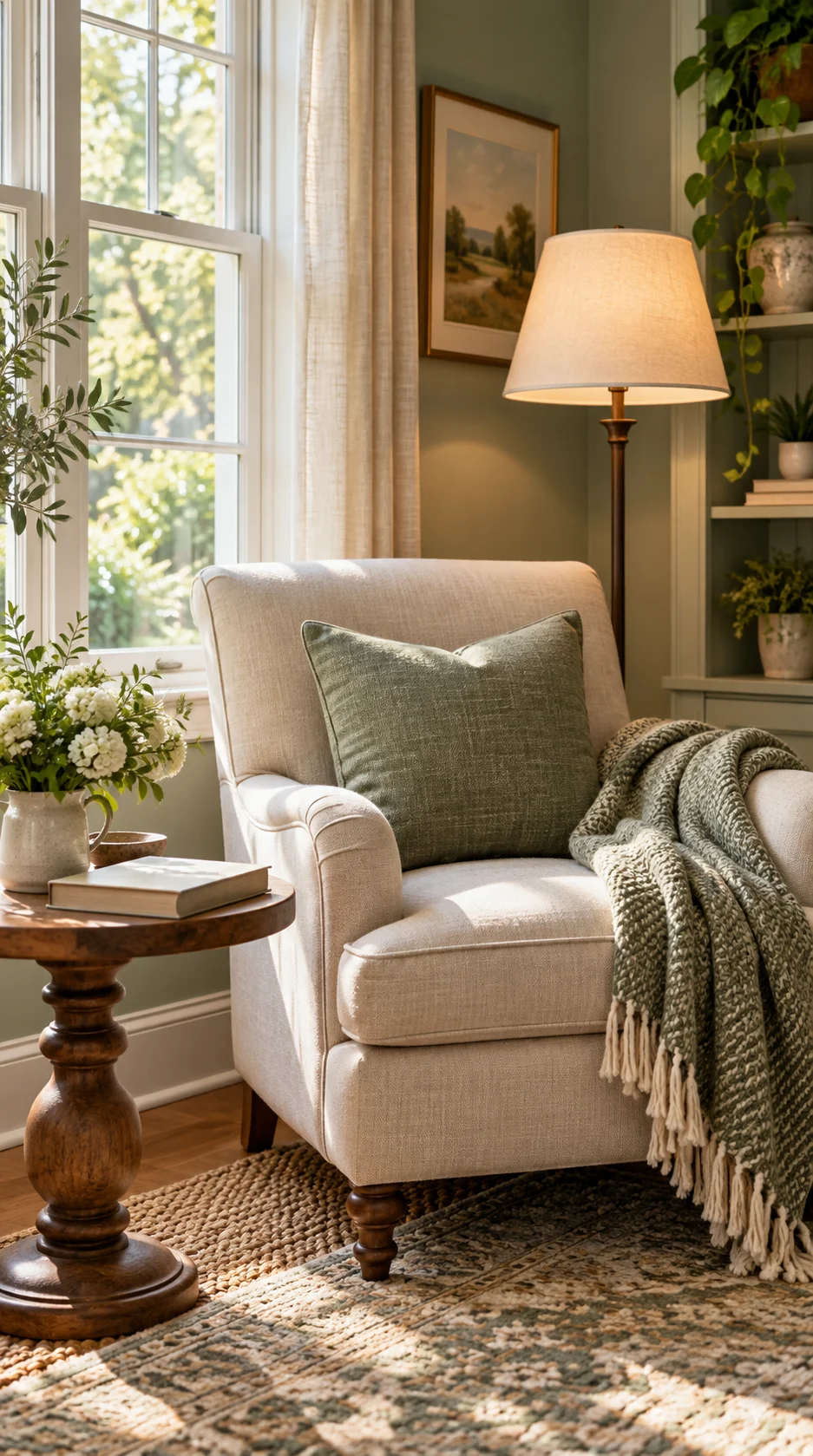
Choose an underused corner and turn it into a place for reading, journaling, stretching, or enjoying a cup of tea. A comfortable chair, small side table, and soft lamp are usually enough.
Keep the corner free from work-related clutter. A small basket for books and a folded throw can make the space practical while preserving its calm appearance.
Amazon find: Small warm-glow floor lamp
A floor lamp can define a reading corner and provide soft focused lighting without taking up valuable table space.
11Use Curtains to Soften Bright Light
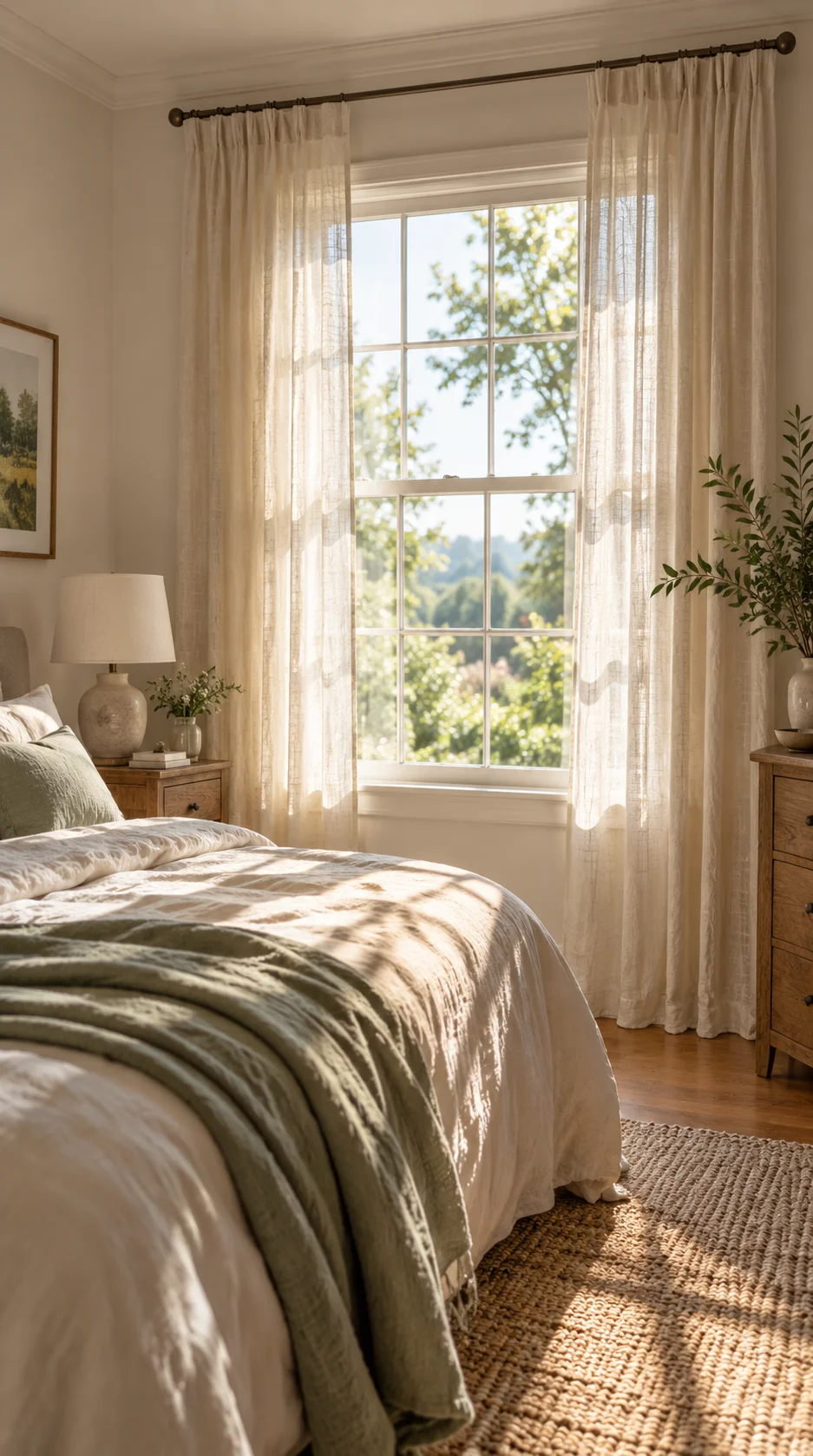
Window treatments can instantly change the mood of a room. Linen-look curtains, cotton panels, or light-filtering shades soften harsh sunlight while allowing the space to remain bright.
Hang curtains slightly wider and higher than the window when possible. This can make the room feel more open and creates a softer frame around the view.
12Choose Low-Profile Comfortable Furniture
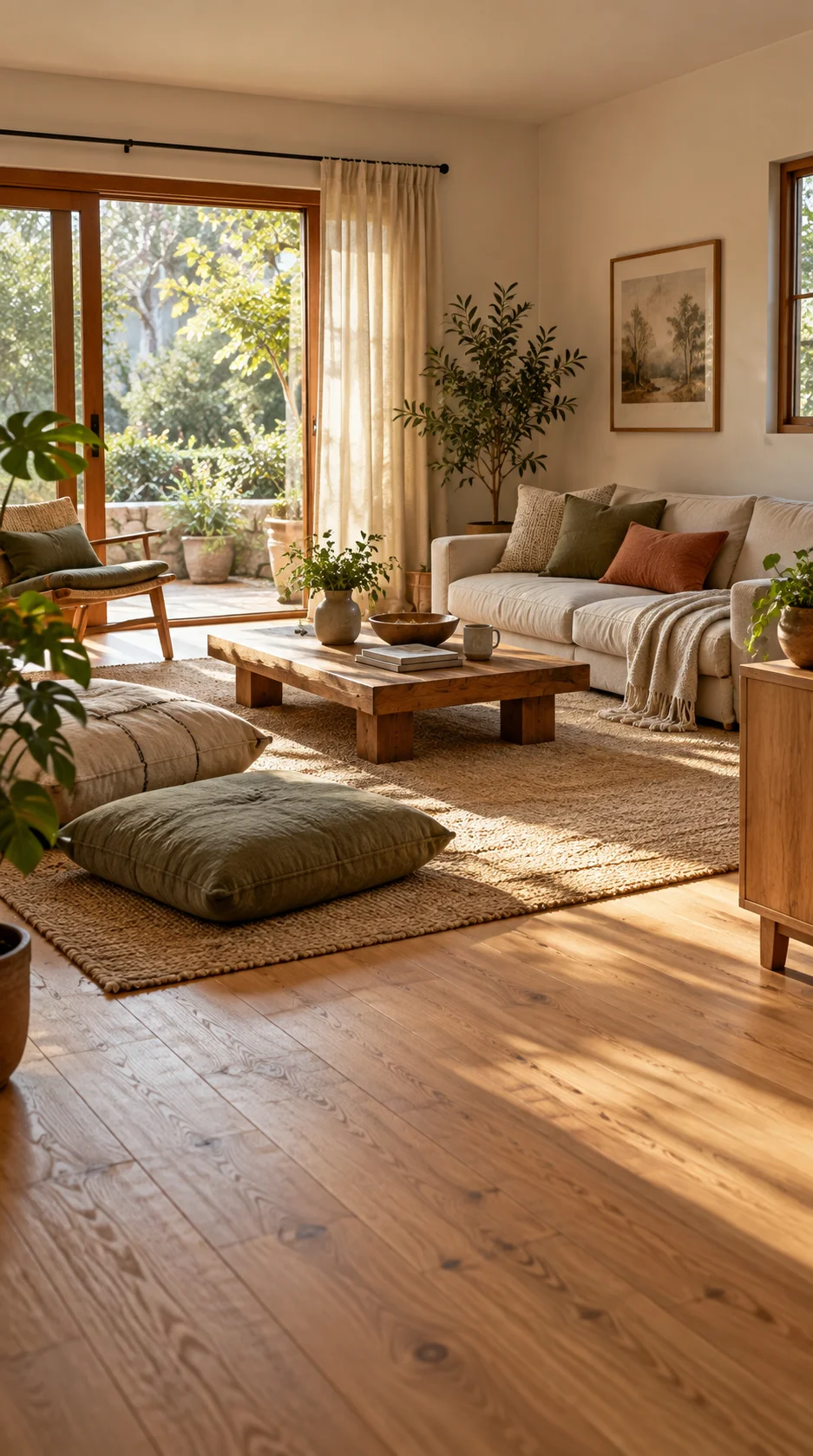
Furniture with simple shapes and comfortable proportions makes a home feel easier to move through. Choose sofas, beds, benches, and tables that leave enough open floor space around them.
Avoid filling every wall and corner simply because the space is available. A little empty space helps furniture feel intentional and makes daily movement more comfortable.
13Add Calming Scent Details
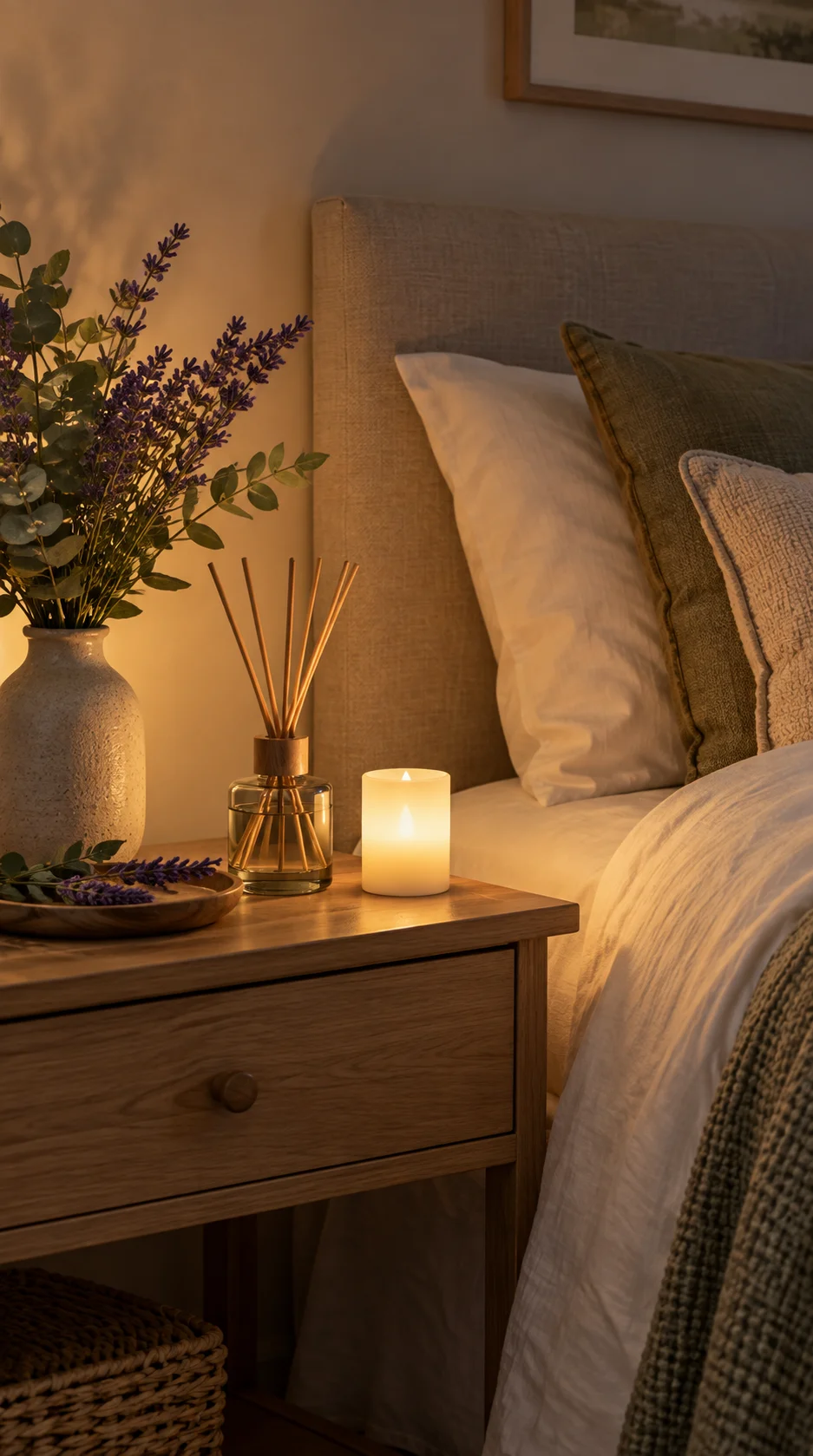
Scent can contribute to the feeling of a relaxing room, but it should remain subtle. Try a lightly scented candle, essential oil diffuser, dried lavender, or a fresh eucalyptus bundle.
Choose one scent family for each room rather than mixing several strong fragrances. Clean linen, lavender, cedar, sandalwood, and soft citrus can all complement a peaceful home.
Amazon find: Minimal reed diffuser or flameless candle
A simple scent accent can add atmosphere without taking up much space or changing the overall decorating style.
14Create a Simple Daily Reset Routine
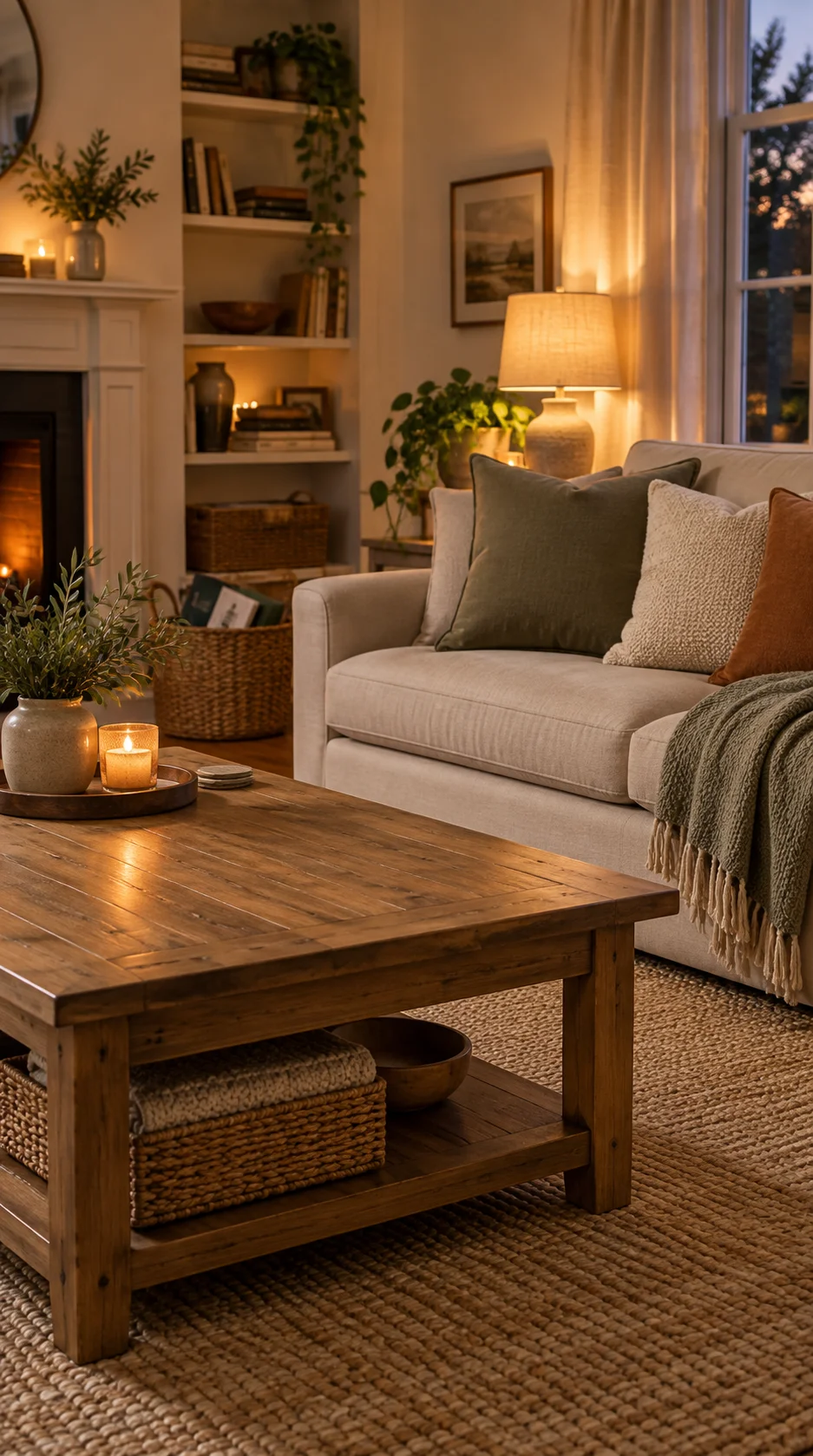
A relaxing home is easier to maintain when you have a small routine for resetting it. Spend a few minutes returning items to their places, folding throws, clearing dishes, and preparing the room for the next part of the day.
This does not need to become a major cleaning project. A short reset keeps clutter from building up and helps your home continue to feel peaceful between deeper cleaning sessions.
Relaxing Home Shopping Checklist
| Item | Best For | Amazon Search |
|---|---|---|
| Woven storage baskets | Hiding everyday clutter | Shop on Amazon |
| Neutral throw blanket | Adding softness and comfort | Shop on Amazon |
| Warm table lamp | Soft evening lighting | Shop on Amazon |
| Simple ceramic planter | Displaying indoor plants | Shop on Amazon |
| Linen-look curtains | Filtering bright sunlight | Shop on Amazon |
Best Color Palettes for a Zen Home
- Warm neutral: ivory, beige, light oak, taupe, and soft white.
- Soft sage: sage green, warm white, natural wood, and muted gray.
- Coastal calm: pale blue, sand, white, driftwood, and soft gray.
- Earthy retreat: clay, mushroom, olive, cream, and walnut.
- Modern monochromatic: warm white, charcoal, greige, black accents, and light wood.
Frequently Asked Questions
How can I make my home feel more Zen?
Start by reducing visual clutter, using calm colors, adding natural materials, and improving the lighting. Comfortable furniture and a few intentional decorations can make the home feel peaceful without requiring a complete makeover.
What colors are best for a relaxing home?
Warm whites, beige, taupe, soft gray, muted sage, pale blue, and earthy clay tones are excellent choices. Use one main neutral with one or two gentle accents to keep the room visually calm.
Can a Zen home still feel cozy?
Yes. Add softness through rugs, cotton bedding, woven baskets, curtains, comfortable seating, and warm lighting. The goal is not to remove comfort but to avoid unnecessary visual noise.
What materials work well in Zen-inspired decor?
Natural wood, linen, cotton, bamboo, rattan, ceramic, stone, wool, and woven fibers all work well. These materials add subtle texture and warmth without making the room feel busy.
How can I create a relaxing home on a budget?
Begin with decluttering and rearranging your existing furniture. Then add small improvements such as warm light bulbs, a neutral throw, a plant, a basket, or a simple secondhand wood accent instead of replacing everything at once.
Final Thoughts
A relaxing home is created through small, thoughtful choices rather than a single decorating style. Calm colors, natural materials, soft light, and clear surfaces can make everyday rooms feel much more comfortable.
You do not need to change everything at once. Begin with the room where you most want to rest, remove a little visual clutter, improve the lighting, and add one natural texture.
With these Zen home ideas, you can create a space that feels warmer, quieter, and easier to enjoy every day.